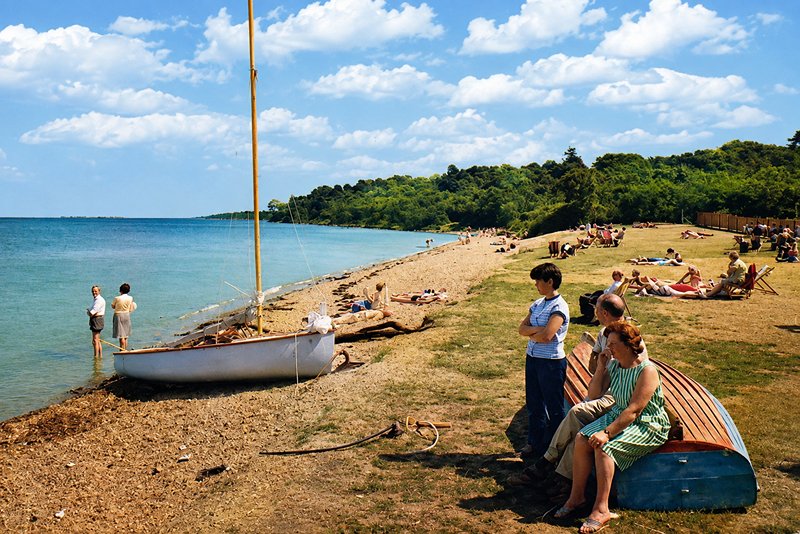
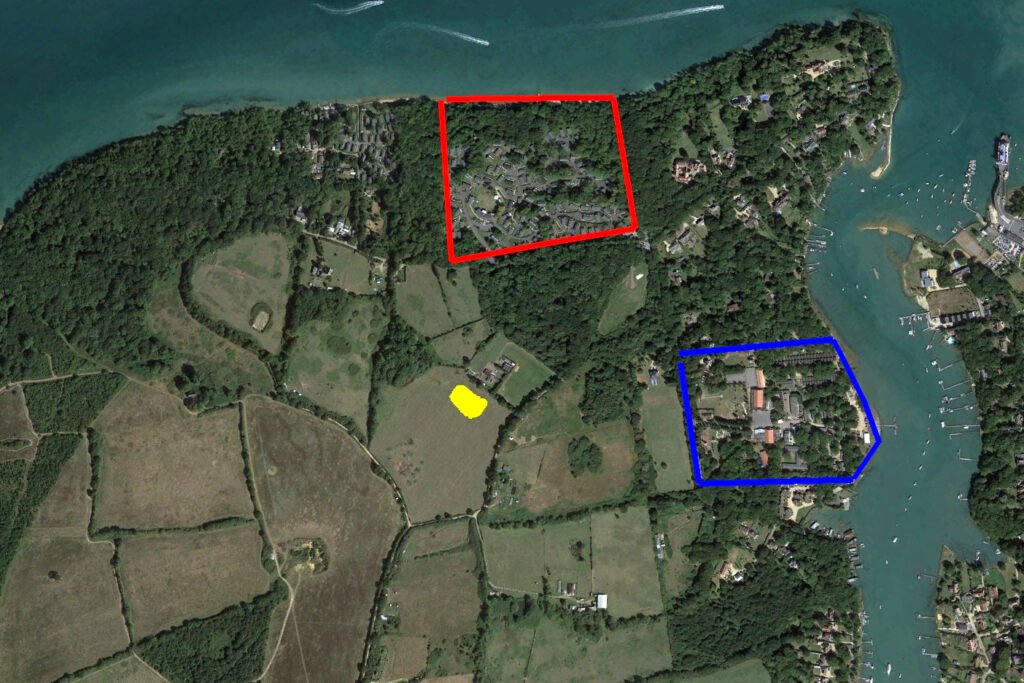
Woodside House at Wootton, on the Isle of Wight, occupied an enviable position overlooking the Solent, with its 31-acre grounds rolling gently down towards the water. In the 1950s the estate served an unusual purpose as a naturist camp, but its future changed dramatically in 1961 when Warner’s secured planning permission to redevelop the site as a holiday camp.
The proposal proved highly controversial locally, with around 90% of residents lodging objections. Despite the strength of the opposition, the planning committee approved the scheme, pointing out that, in legal terms, “there was no change of use between using a camp for nudists or for those who wore clothes.”
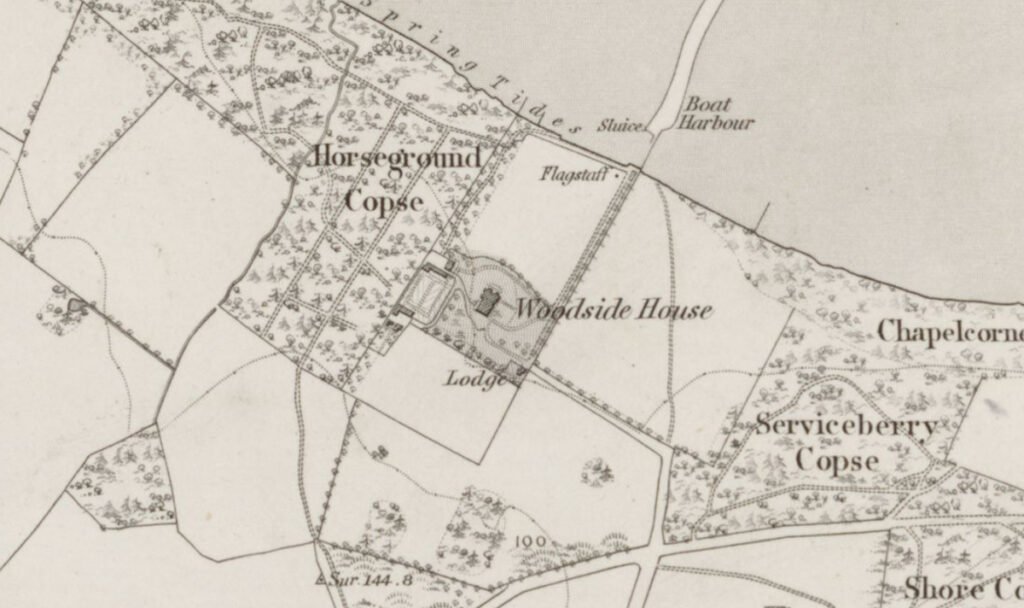
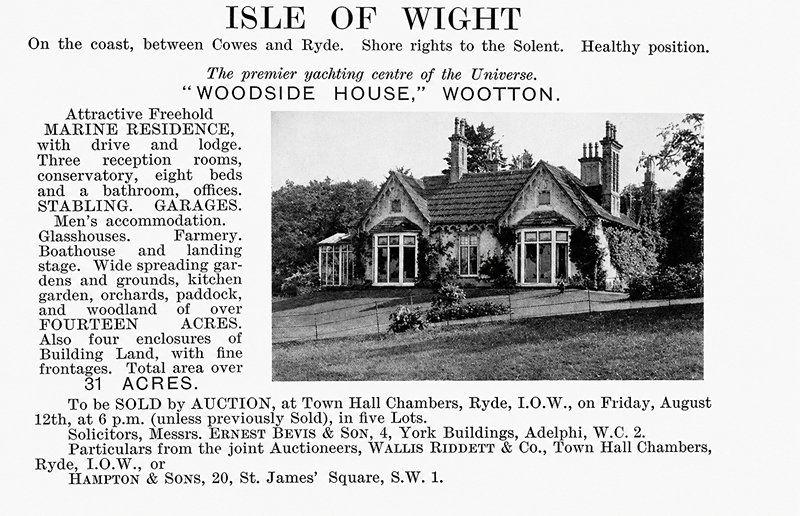
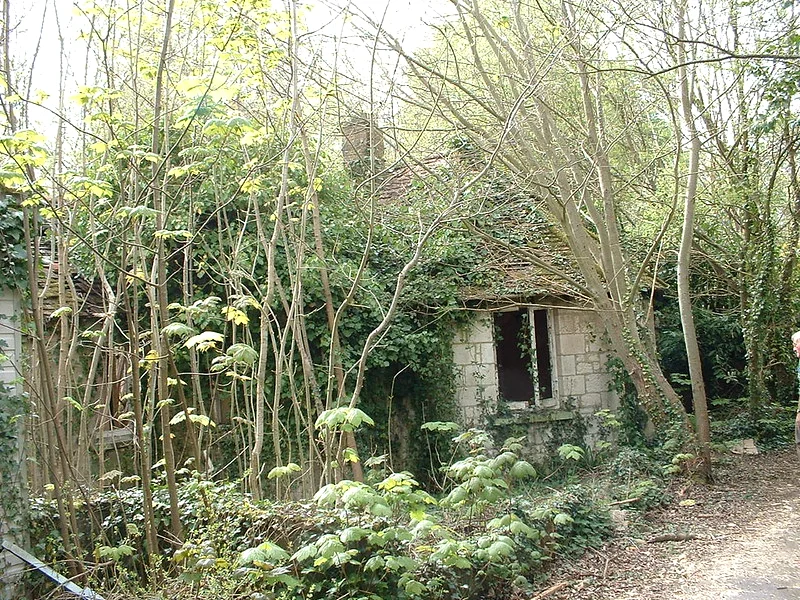
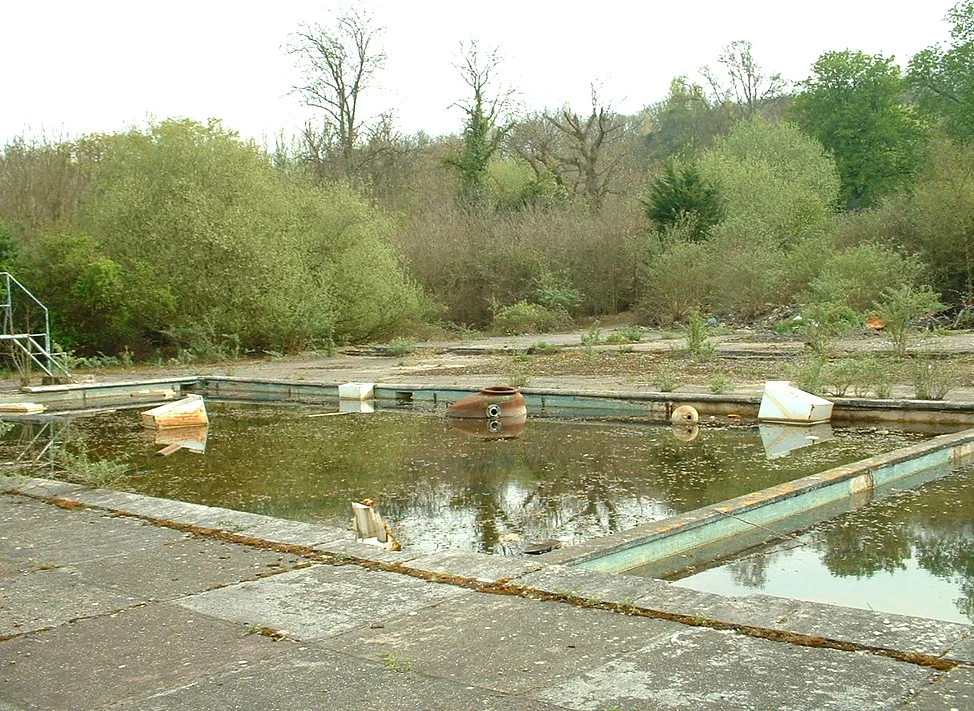
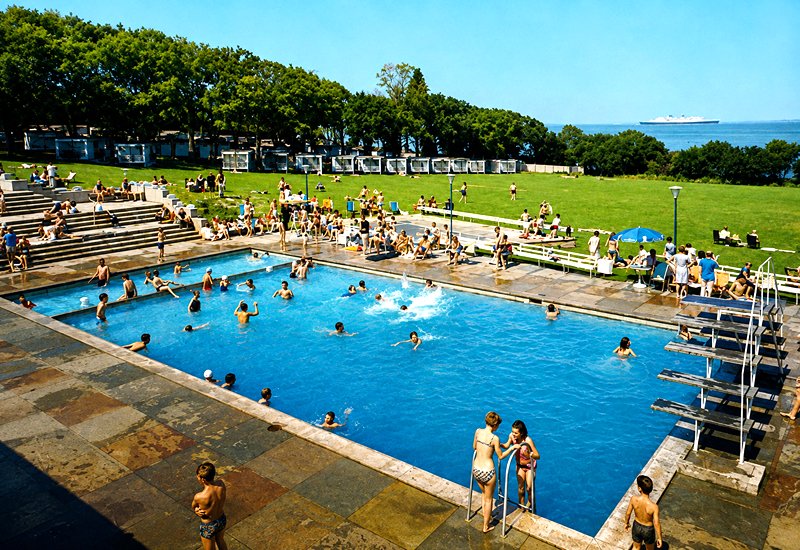
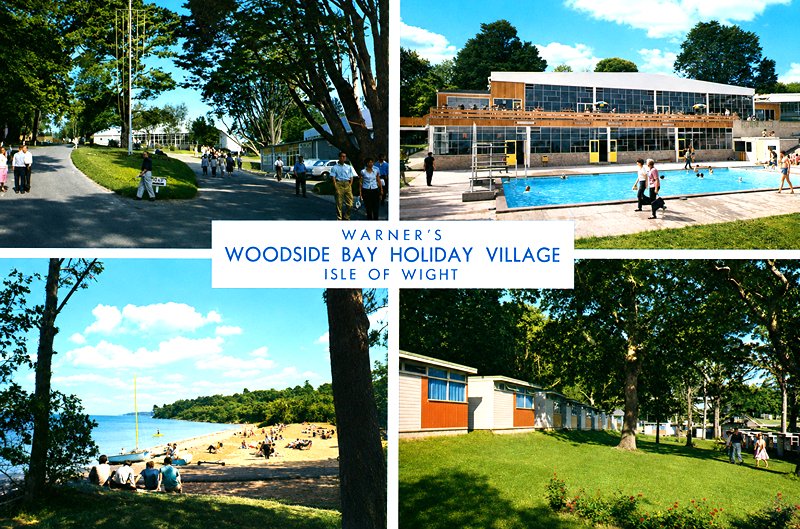
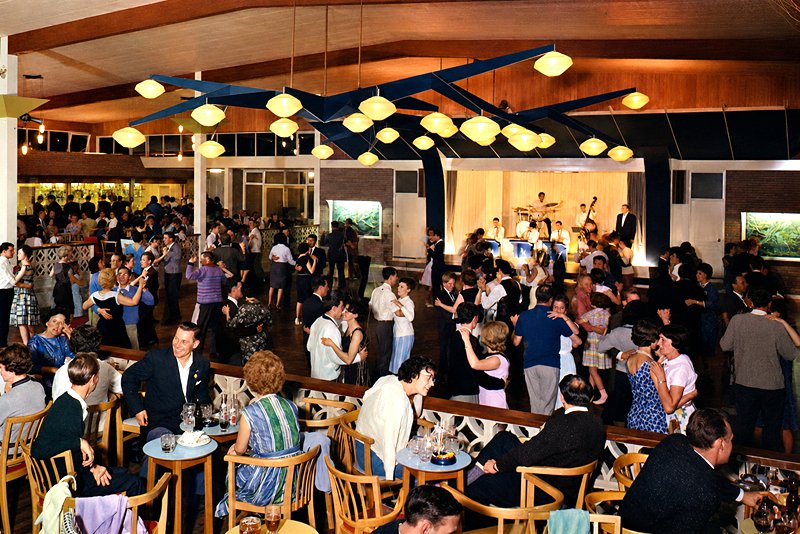
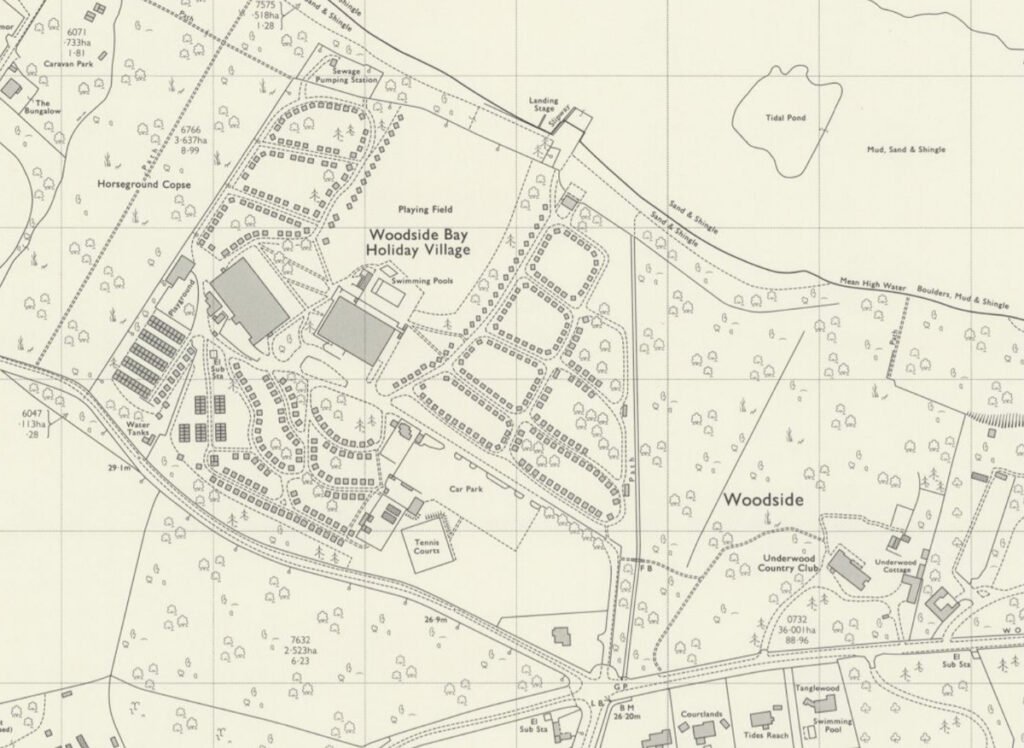
Woodside House itself did not survive the redevelopment. The old house was demolished and replaced by a large new entertainment building that became the social heart of the camp. The smaller lodge house was retained, and became the camp manager’s residence. Other facilities included indoor and outdoor swimming pools, a games rooms, a disco and various bars, providing most of the entertainment guests needed without having to leave the site.
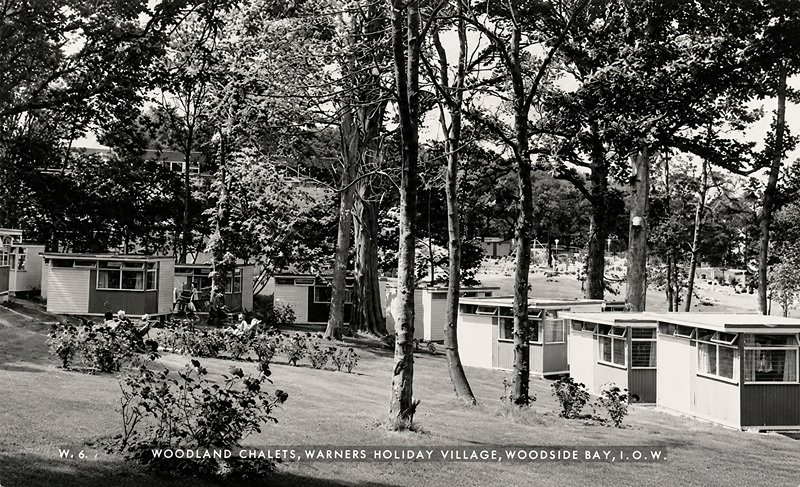
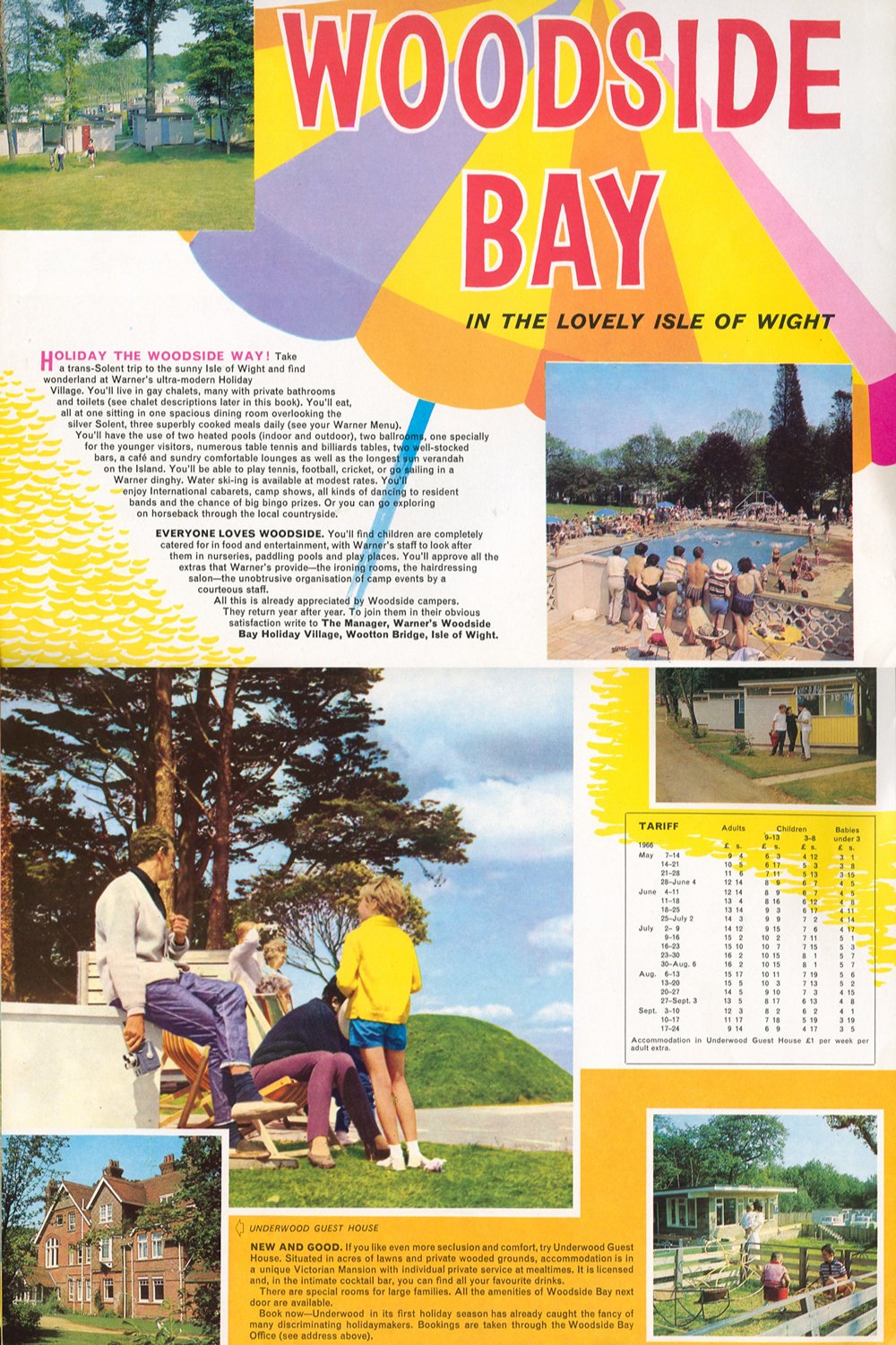
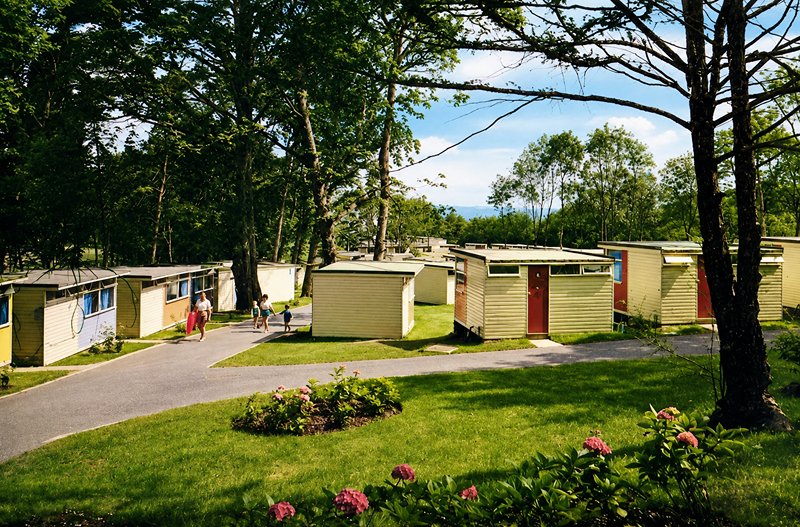
Woodside Bay Holiday Camp officially opened in 1963, with 215 detached chalets providing accommodation for around 650 guests. Surprisingly for such a new camp, only about half of the chalets were built of brick; the remainder were relatively basic wooden huts. Some had full bathrooms, some had just a toilet while others had nothing at all and relied on communal facilities.
Even by the standards of the early 1960s this was very old-fashioned. At around the same time, rival Pontins was investing heavily in modern two-storey self-catering blocks, with larger apartments equipped with their own kitchens, bathrooms, dining and living areas. Warner, by contrast, was still building the sort of simple wooden huts more closely associated with the 1930s. It would become the last new holiday camp to be built by Warners.
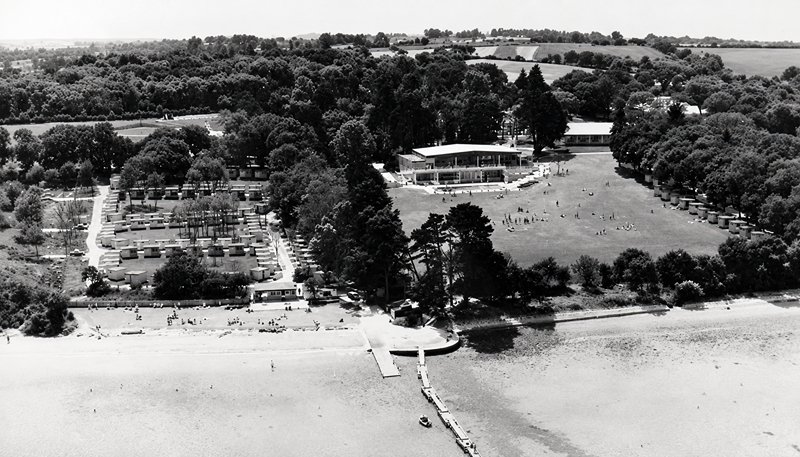
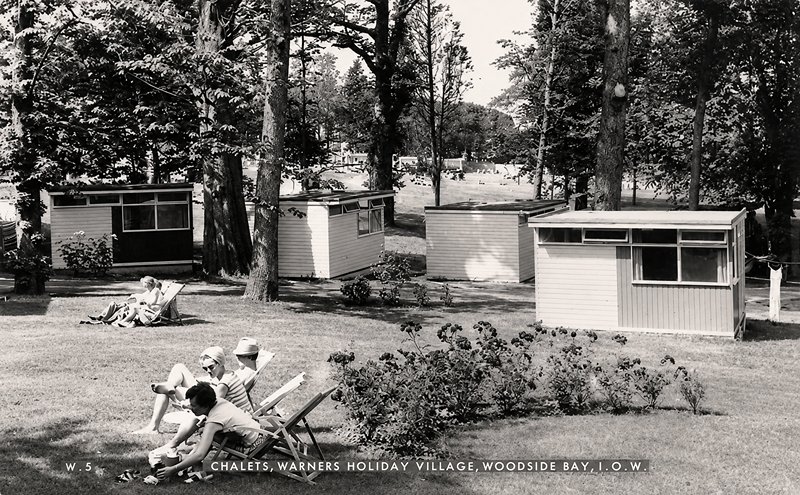
One of Woodside’s greatest attractions was something Warner’s did not have to build: its spectacular position overlooking the Solent. The large windows of the main building provided guests with a grandstand view across the water, and there was always considerable excitement whenever one of the great ocean liners sailed past.
Woodside operated on a full-board basis, with the cost of all meals included in the holiday. As a result, the chalets needed little in the way of domestic facilities and consisted of little more than a bedroom and bathroom. Guests ate together in the huge communal dining room.
A couple of years after opening, Warner’s expanded the site by acquiring the neighbouring Underwood Hall estate and its 12 acres of land. This became known as Underwood Country Club and the old house included rooms for up to 30 people. The house also contained its own bar and restaurant which were also open for guests staying at Woodside Bay.
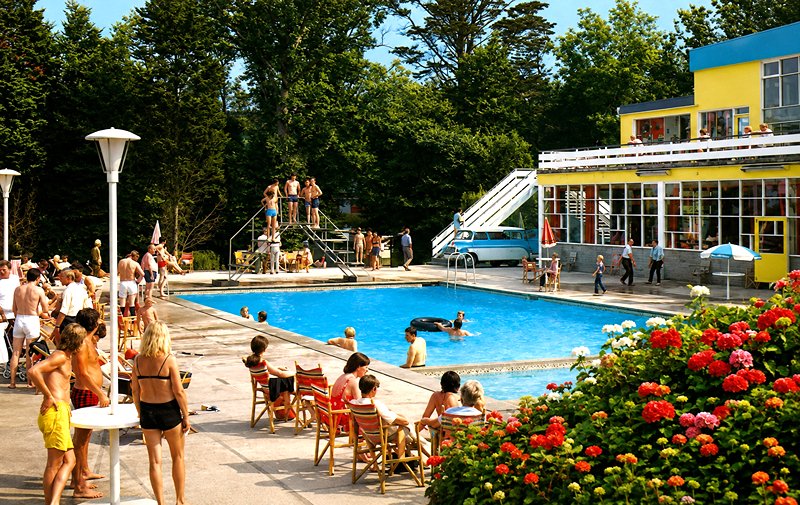
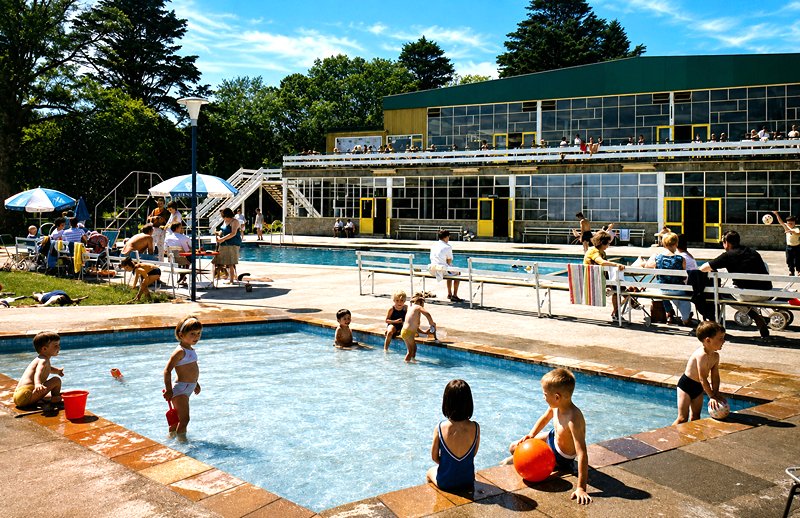
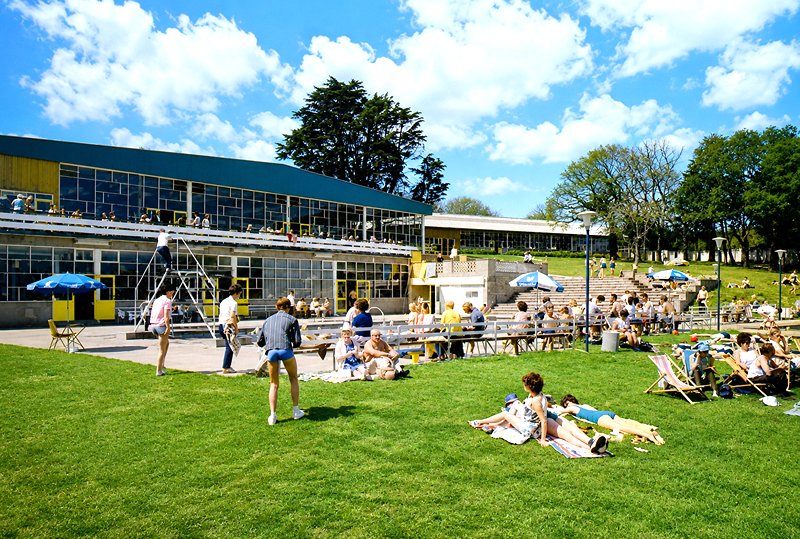
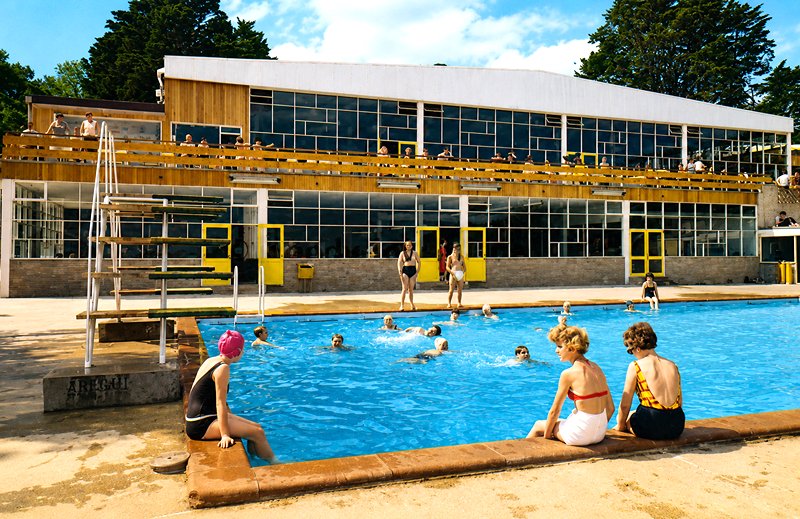
In 1969, a hovercraft service was introduced, offering a 10-minute ride from the camp to nearby Southsea. However, locals protested the service, wading into the sea and blocking the inaugural trip, forcing the hovercraft to detour further up the coast. It did however continue for another two years, and a concrete landing strip was even built.

Between 1968 and 1970, Woodside found itself with one of the biggest music festivals in the world taking place literally across the road. The Isle of Wight Festival was held nearby in 1968, 1969 and 1970, attracting some of the biggest names in contemporary music. The final festival in 1970 was by far the largest, with crowd estimates commonly put at around 600,000 people, transforming this normally quiet corner of the island for several days. For guests and staff at Woodside Holiday Camp, the enormous crowds, music and traffic must have been quite a contrast to the camp’s usual holiday atmosphere.
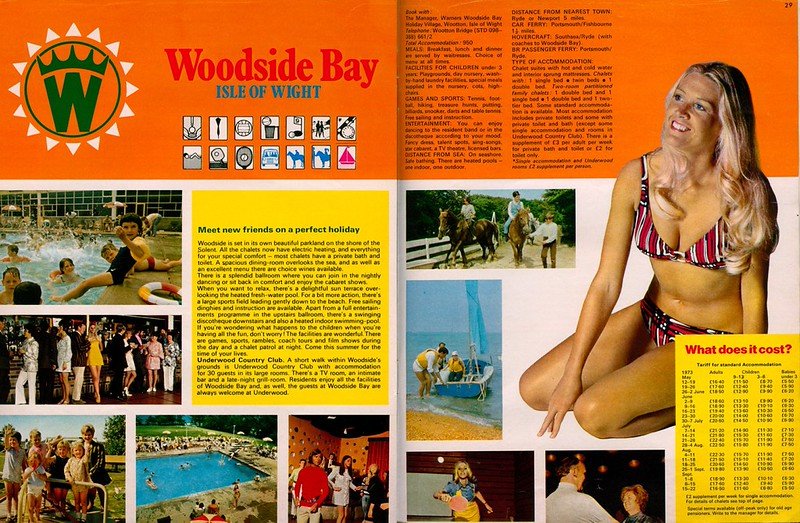
Despite the wonderful setting, it soon became obvious that the camp had been built “on the cheap”. Within just a few years it had earned itself a somewhat negative reputation with complaints being made about poor food, unhygienic conditions and shabby accommodation.
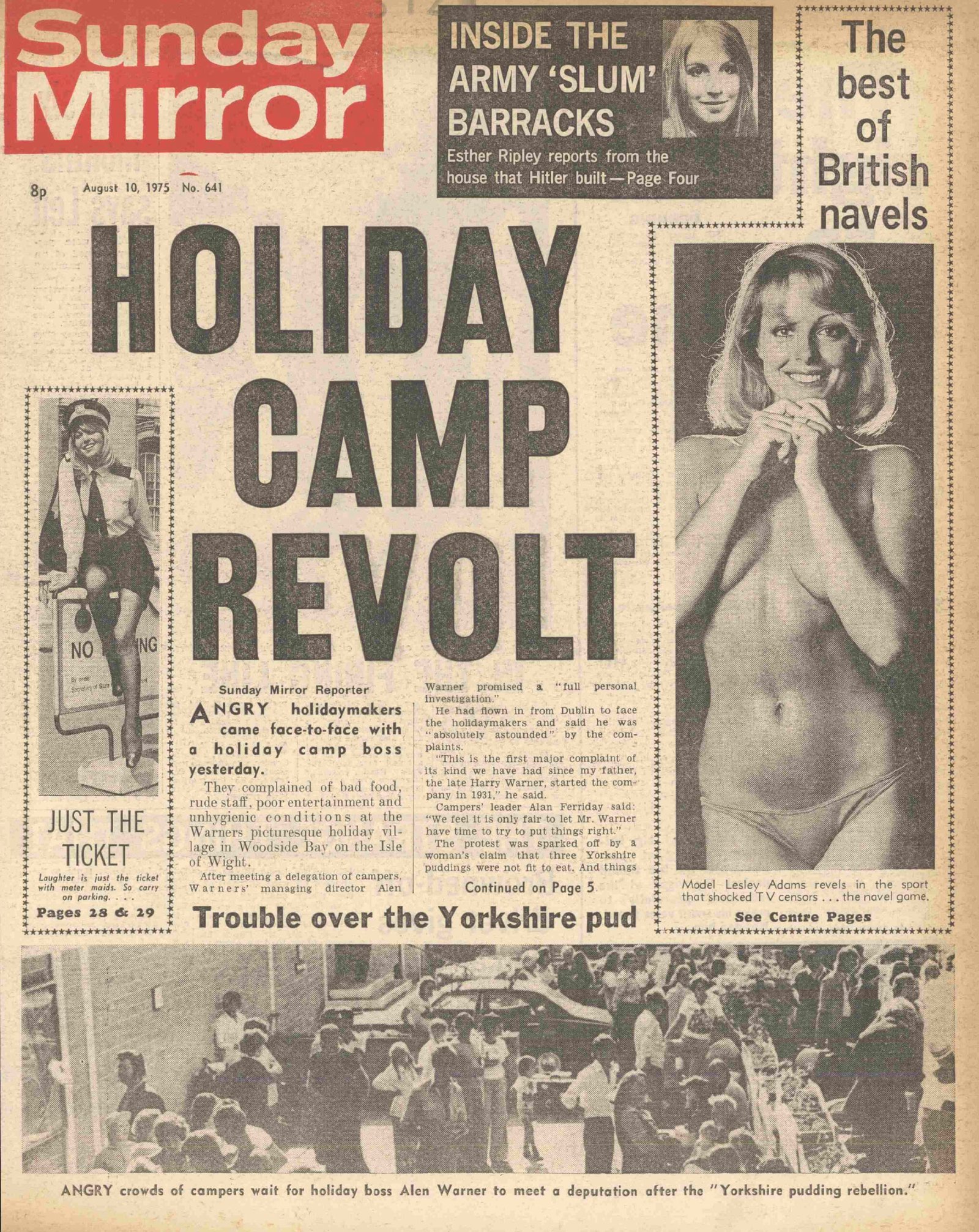
Matters came spectacularly to a head during the summer of 1975, when disgruntled guests staged what the press described as a full-blown “camper revolt.” The unlikely spark was a Yorkshire pudding. One woman complained that those being served in the dining room were “not fit to eat,” but her protest quickly struck a chord with other dissatisfied holidaymakers. By the following day, around 400 guests had come forward with grievances of their own.
The complaints went far beyond the quality of the food. Guests claimed that birds were flying around inside the dining hall, staff smoked while serving meals, and waitresses wandered barefoot between the tables. Elsewhere around the camp there were complaints about chalets being in a poor state of repair, with toilets not properly secured to the floor.
The protest soon became impossible for the management to ignore. When a new intake of holidaymakers arrived at Woodside to begin their holidays, they were greeted not by the usual welcoming committee but by a crowd of angry guests urging them to turn around and go home. What had begun as a complaint about food had effectively turned into an organised revolt against conditions throughout the camp.
The situation became serious enough for Warner’s managing director, Alen Warner, to fly to Woodside by private helicopter in an attempt to calm the unrest and deal personally with the complaints. It was an extraordinary episode and a very public indication of just how far Woodside’s reputation had deteriorated since its opening only twelve years earlier.
The camp limped on through the remainder of the 1970s, struggling with declining visitor numbers and an increasingly uncertain future. At some point during this period, the neighbouring Underwood Hall was sold off, although it remained open independently as a holiday hotel.
A major change came in 1981 when the Warner family sold their holiday camp business to Grand Metropolitan. The new ownership did little to improve Woodside Bay’s fortunes, and in April 1983 it was announced that the camp would not open for the season with management admitting: “we simply did not have enough bookings to make the centre viable, which coupled with increased costs made it unrealistic to open.”
There was, however, one curious final chapter later that summer. Over the August Bank Holiday weekend, the otherwise closed camp was temporarily brought back into use to accommodate 160 policemen drafted onto the island for the annual “scooter invasion.” Woodside Bay had lasted for just 19 years.
In 1984 plans were announced for a major £1 million redevelopment which would have transformed the ageing site into a much more modern centre. The old wooden chalets were cleared away in preparation, with plans to replace them by 18 two-storey accommodation blocks, each containing 12 apartments. The new units would have been considerably more comfortable than their predecessors, with each apartment having its own balcony reached through patio doors. After delays in obtaining planning permission it was stated that work would begin in the autumn of 1985 with a planned reopening the following year.
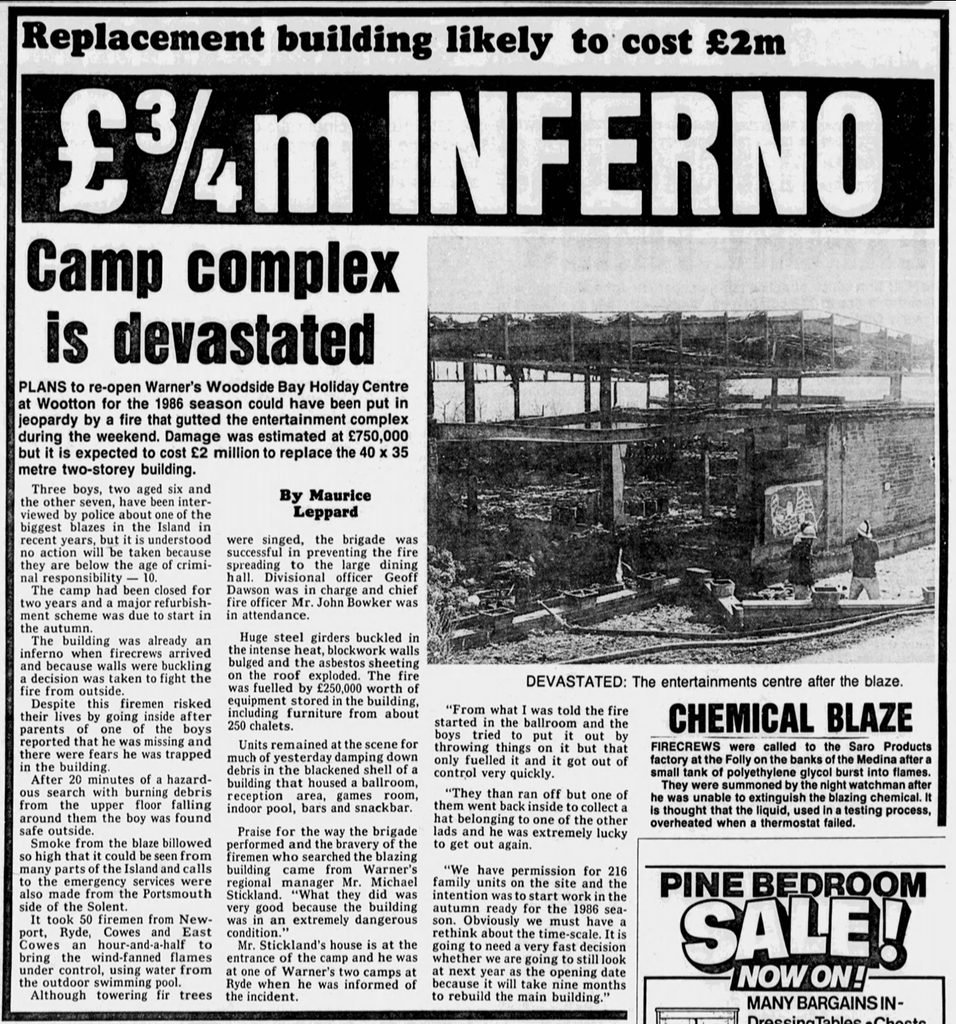
Then disaster struck. In April 1985 a huge fire swept through the main entertainment complex, destroying the building and much of the furniture, carpets and equipment being stored inside. At the height of the blaze, 14 fire engines and around 50 firefighters from across the Isle of Wight were involved, with water even being pumped from the camp’s swimming pool. It took some 11 hours to extinguish the fire and the damage was estimated at around £1 million.
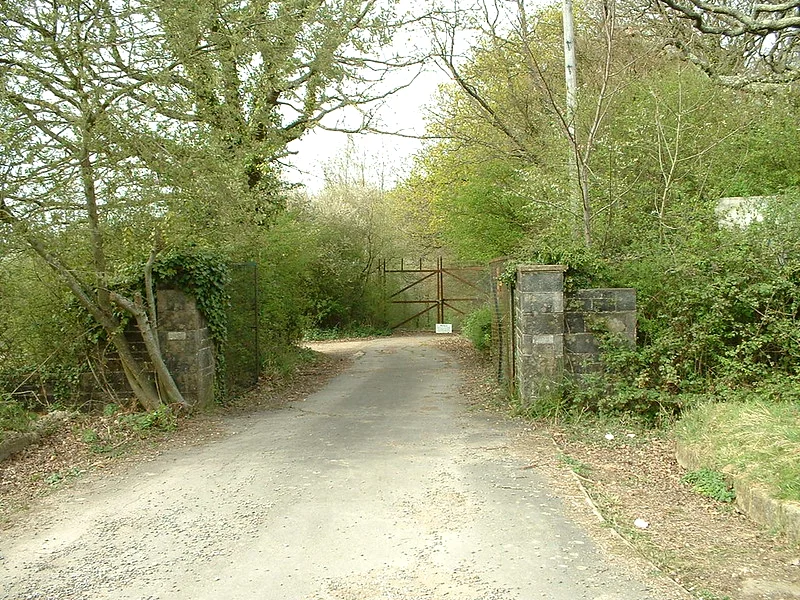
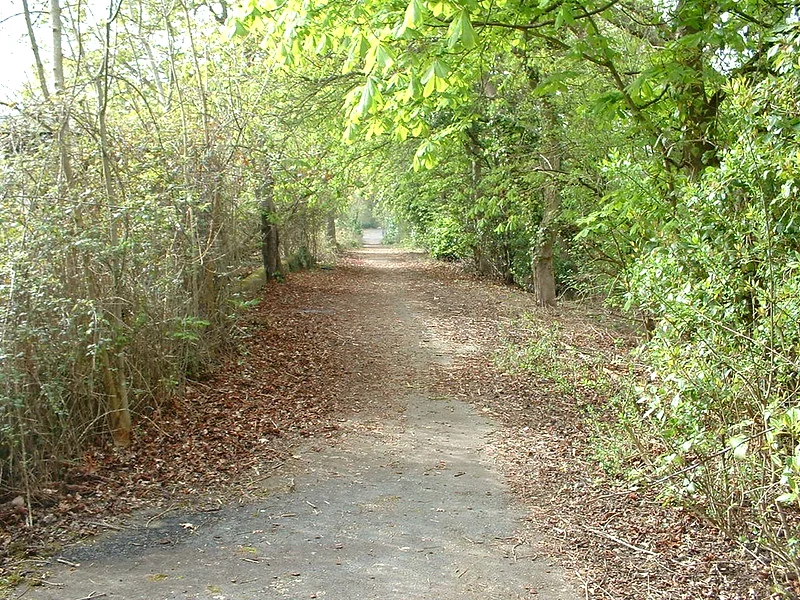
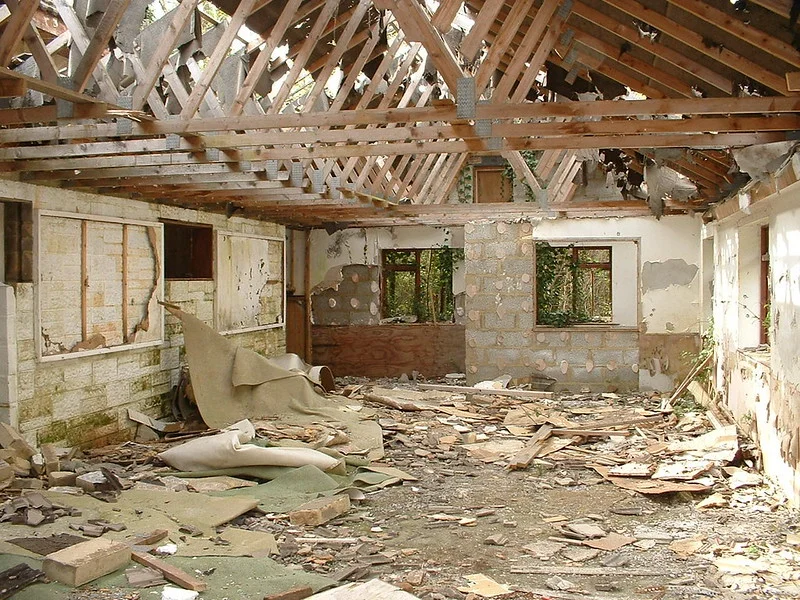
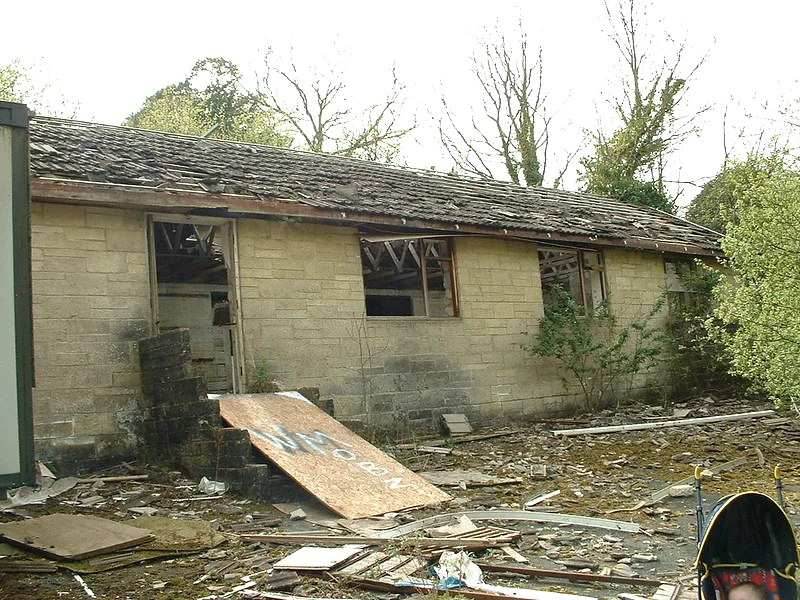
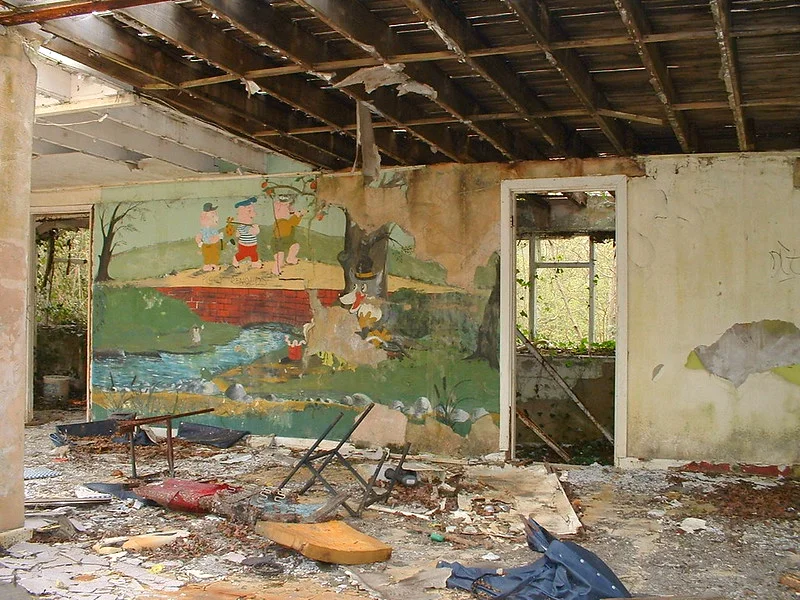
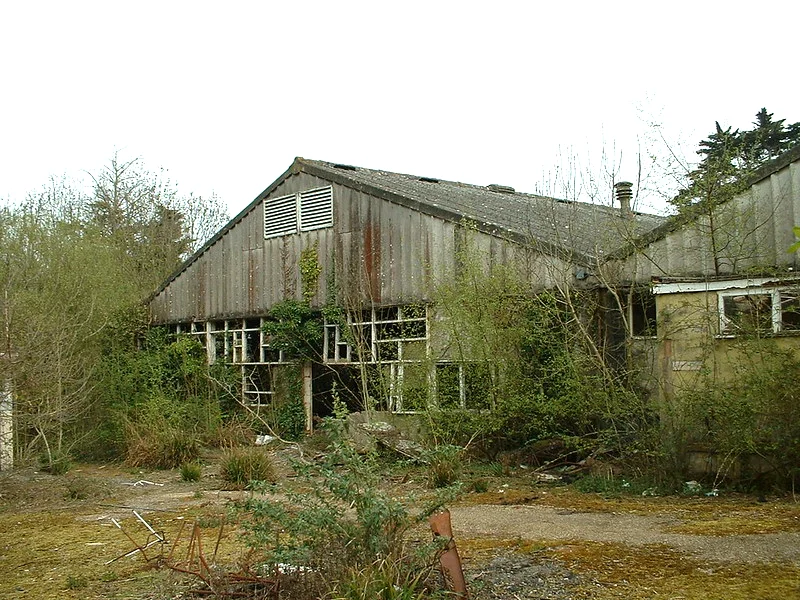
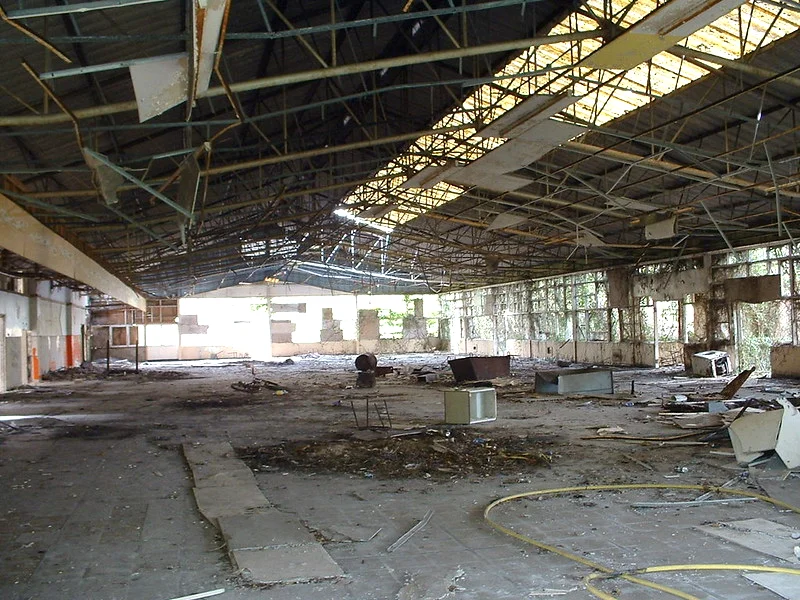
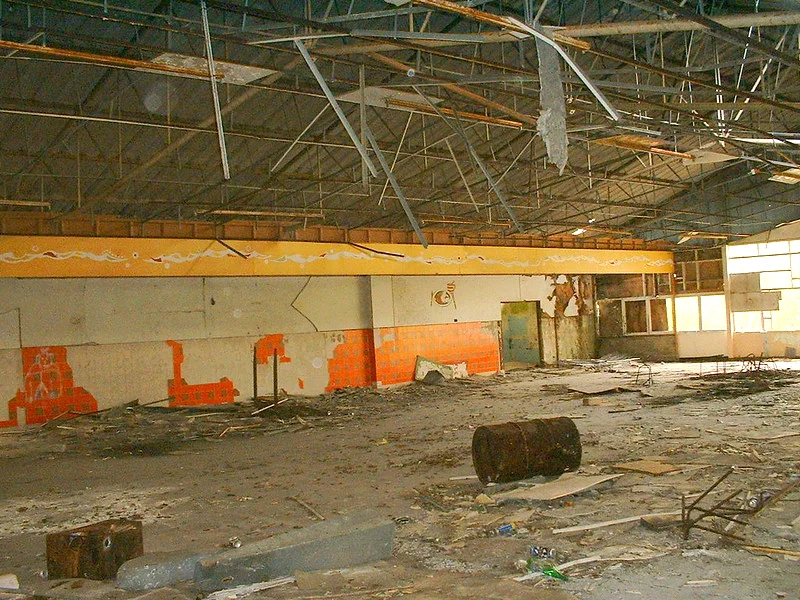
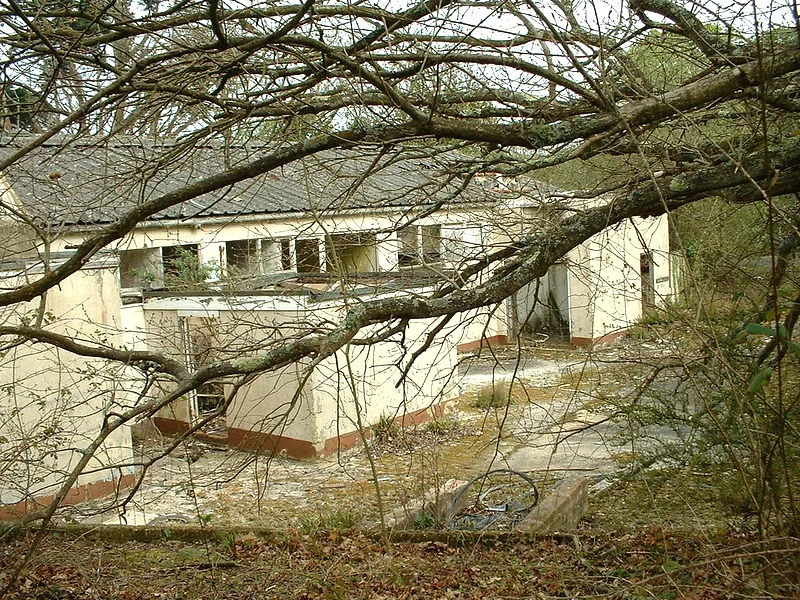
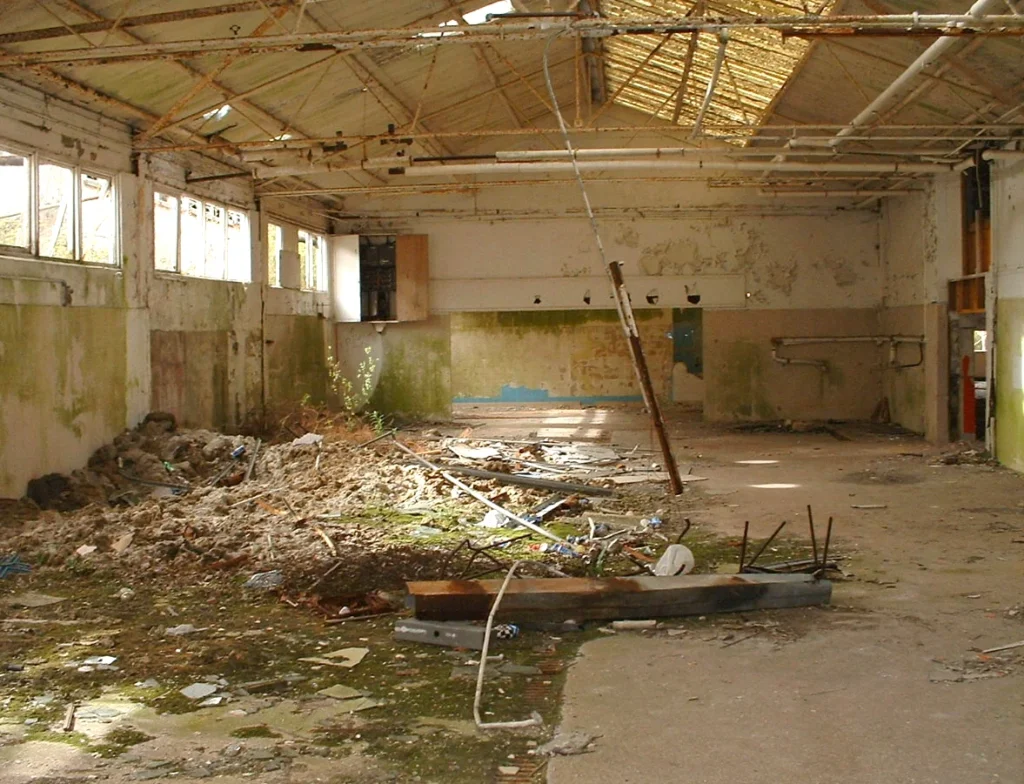
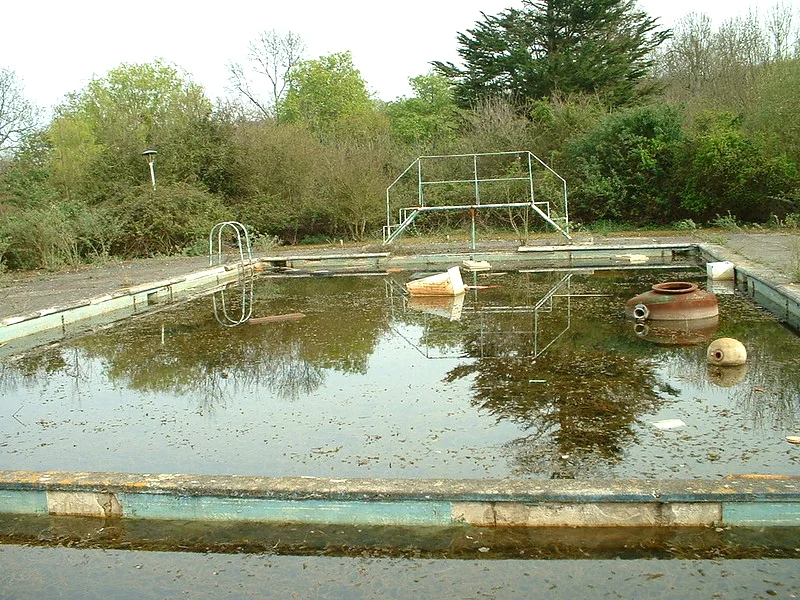
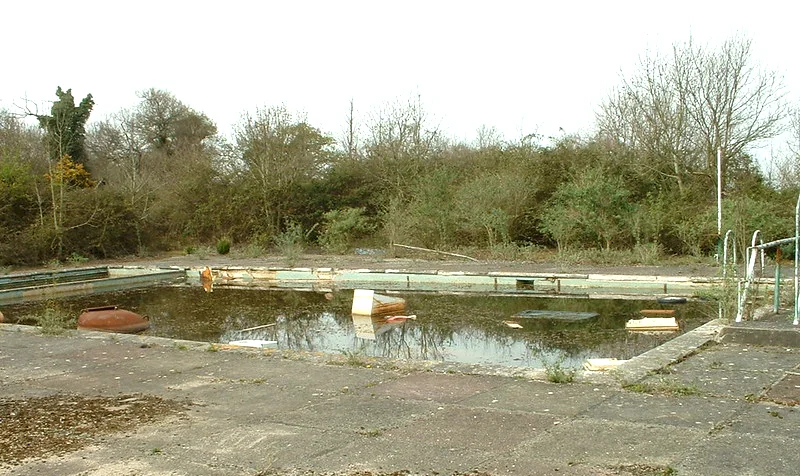
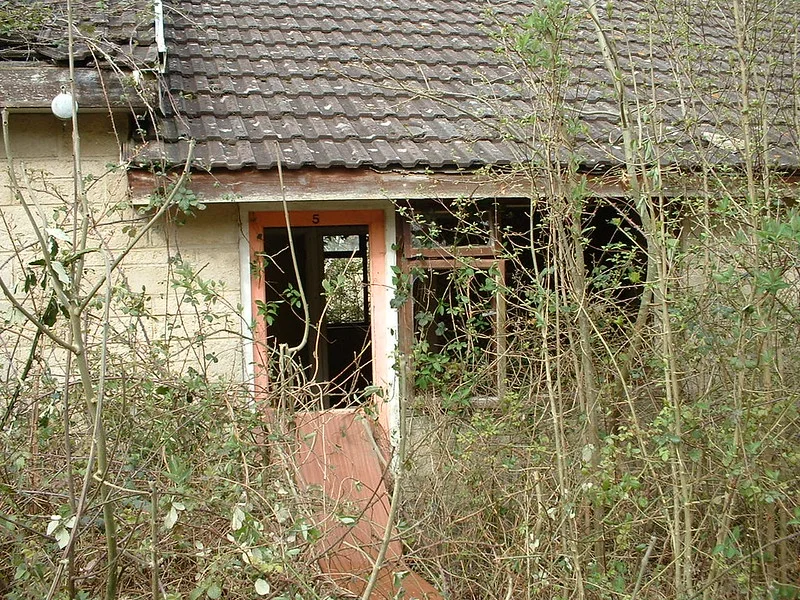
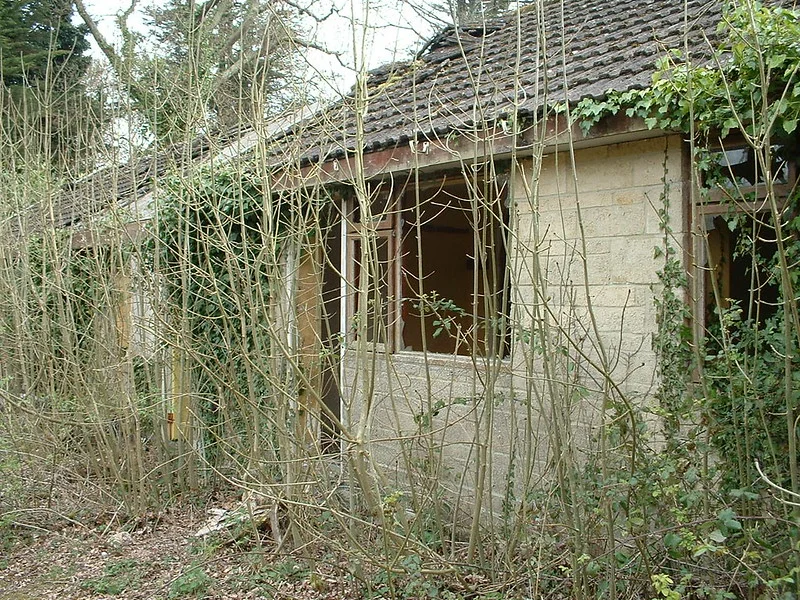
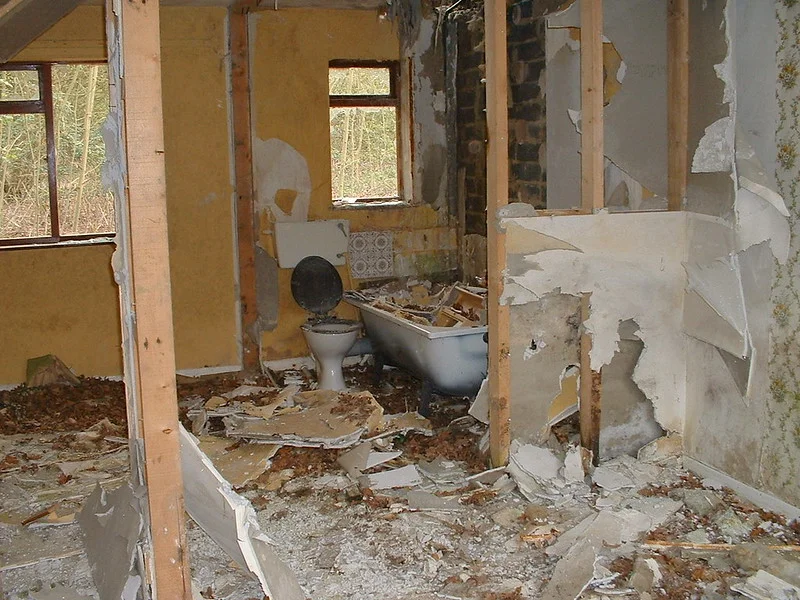
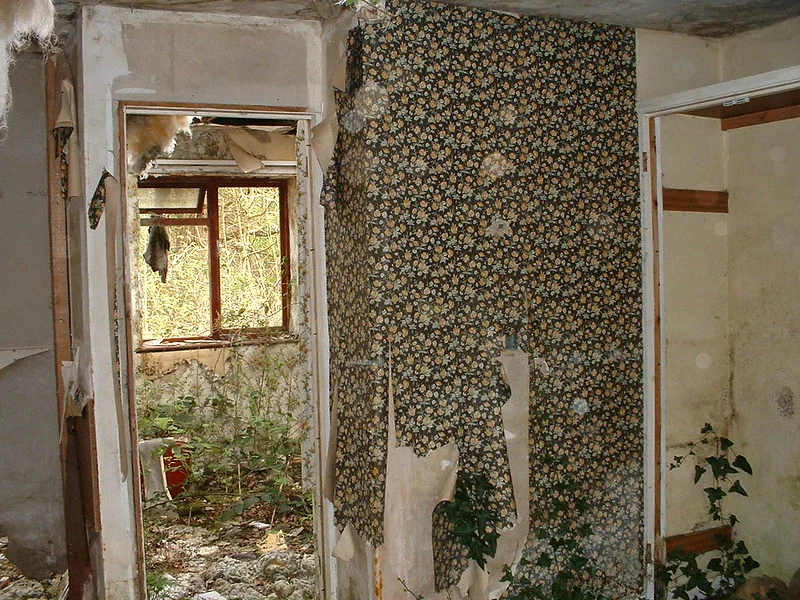
The proposed revival of Woodside Bay never recovered from the setback, and in 1988 the site was sold to London property company Rotch who soon announced big development plans of their own. But nothing happened, and the old camp remained abandoned. Nature gradually reclaimed the grounds as the 120 surviving brick chalets and other buildings deteriorated. The heavily overgrown site became a favourite haunt for urban explorers, vandals and local dog walkers.
After being largely ignored and abandoned for 27 years, the site was finally sold in 2011 for £4.5 million. Demolition work then began to clear away the surviving remnants of the old camp, bringing its long period of dereliction to an end.
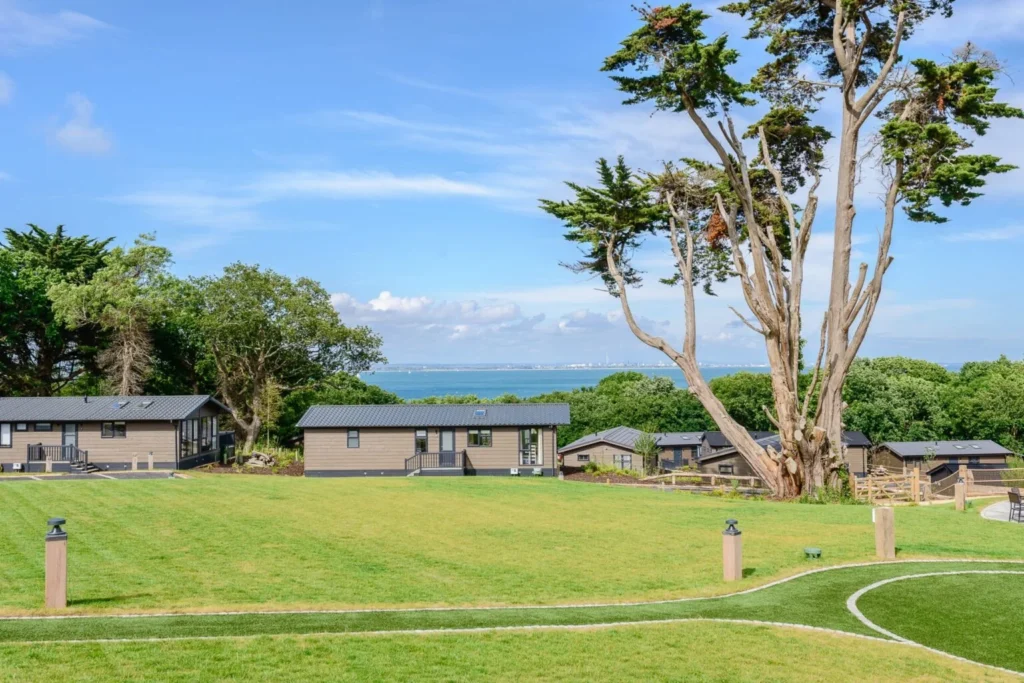
In 2014, a new £15 million holiday complex opened on the site, known as Woodside Bay Lodge Retreat. In an interesting return to the land’s former purpose, holidaymakers were once again staying on the shores of the Solent, although in accommodation very different from the simple Warner’s chalets of the 1960s and 1970s.
The adjoining Underwood Hall, once part of the camp, was renamed Woodside Hall and converted into a nursing home.
Nothing remains of the old holiday camp today. One small reminder did survive for a little longer: a stone plaque at the main entrance remained in place until the 2010s, long after the camp itself had disappeared.

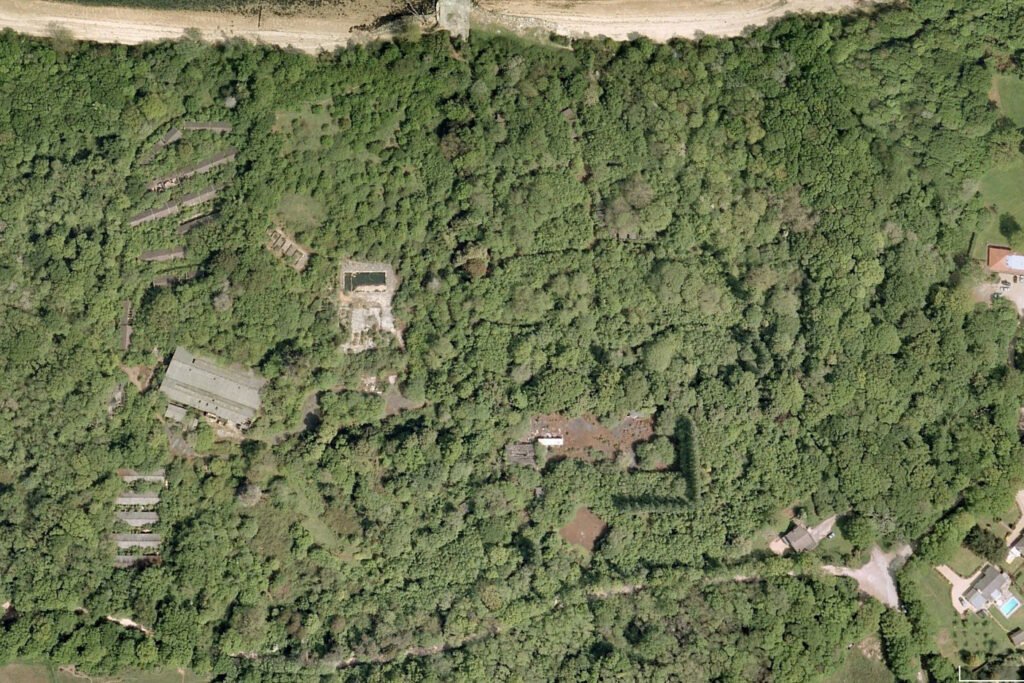
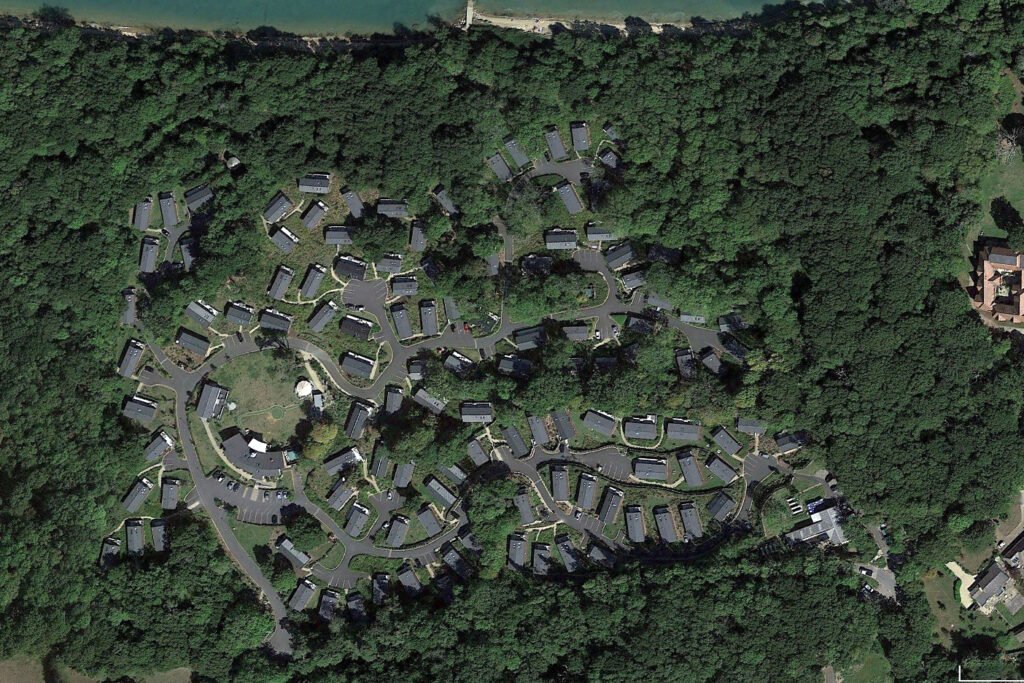
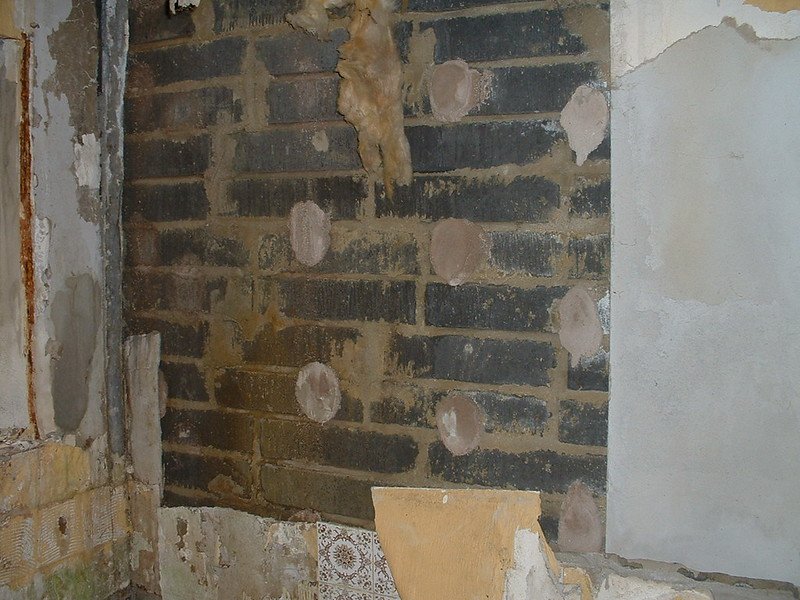
The following photos were taken in 2003