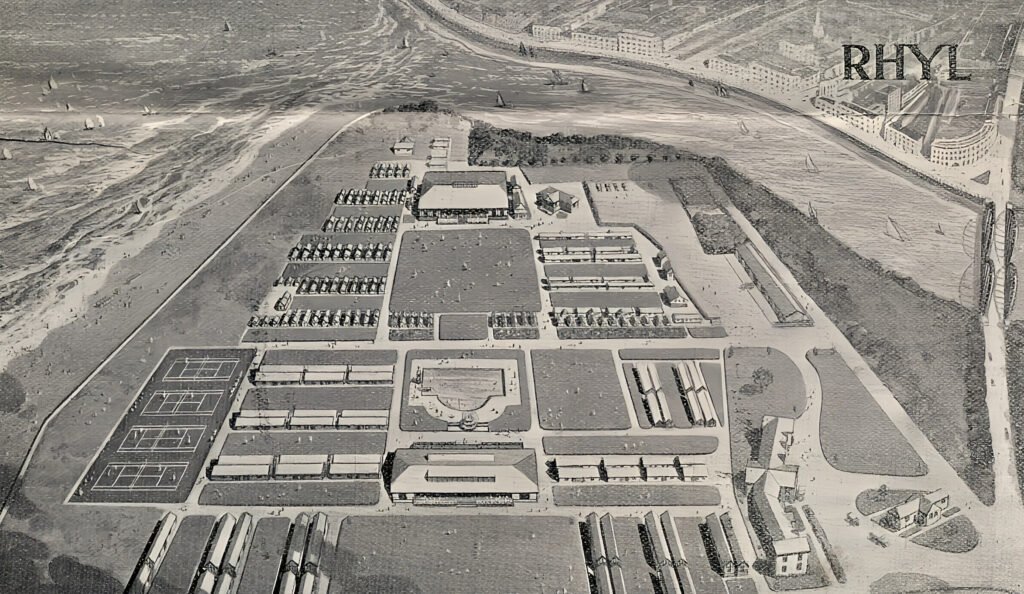
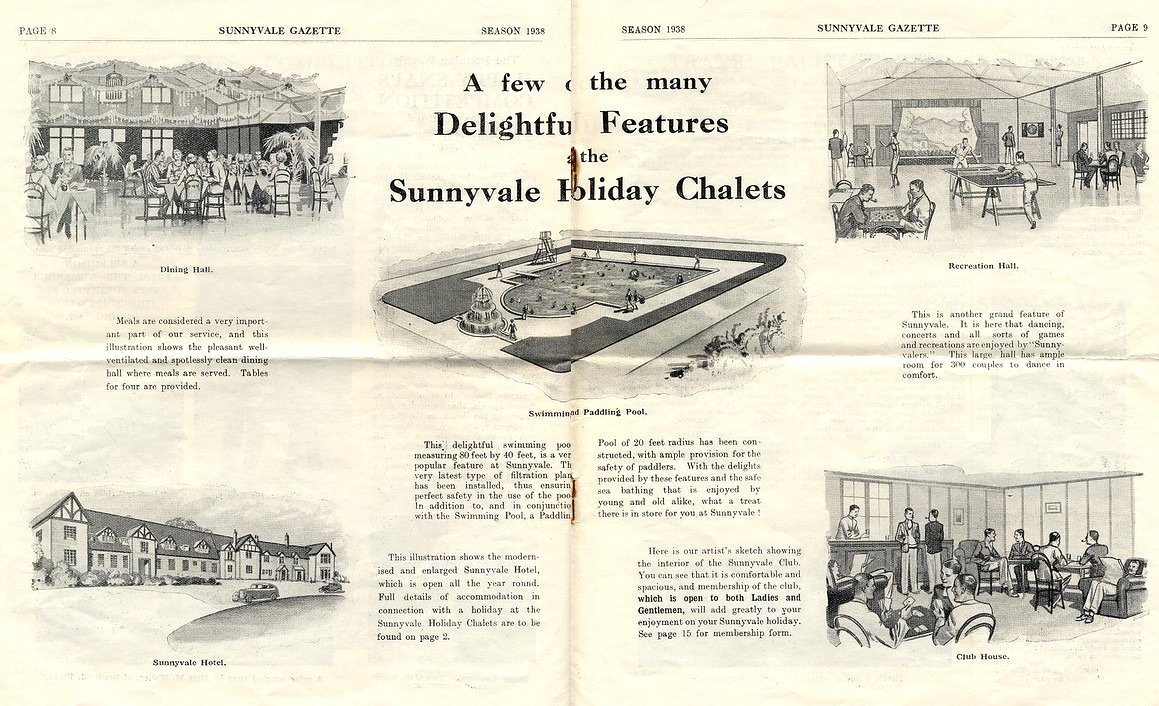
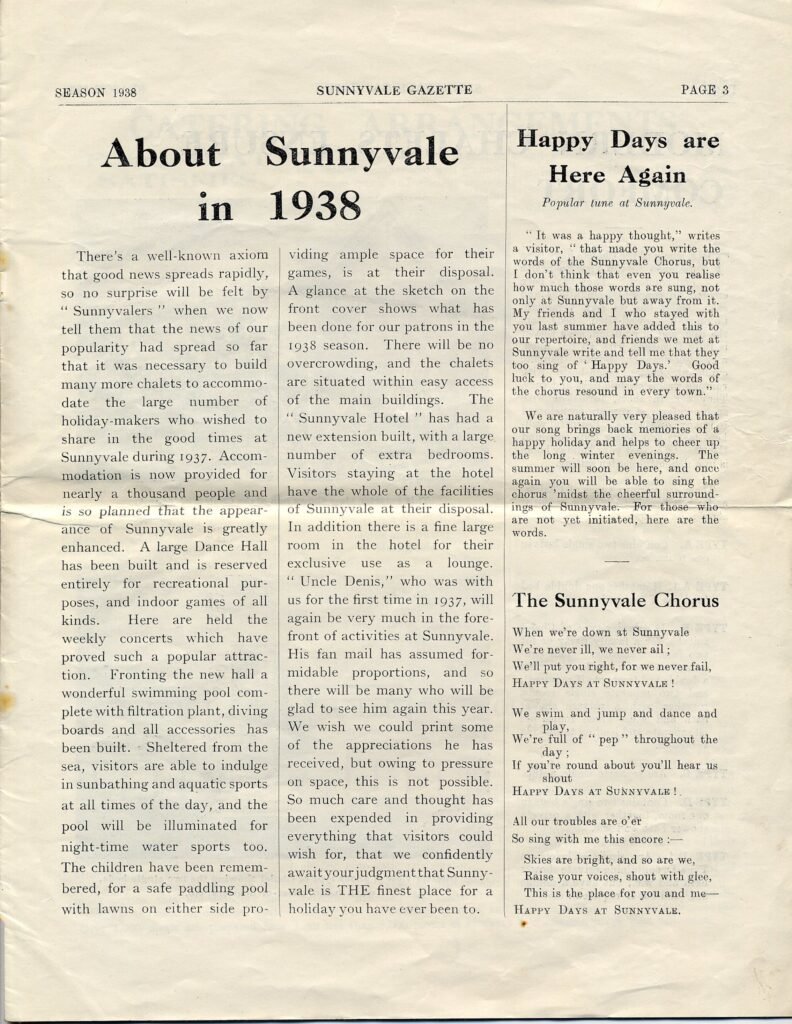
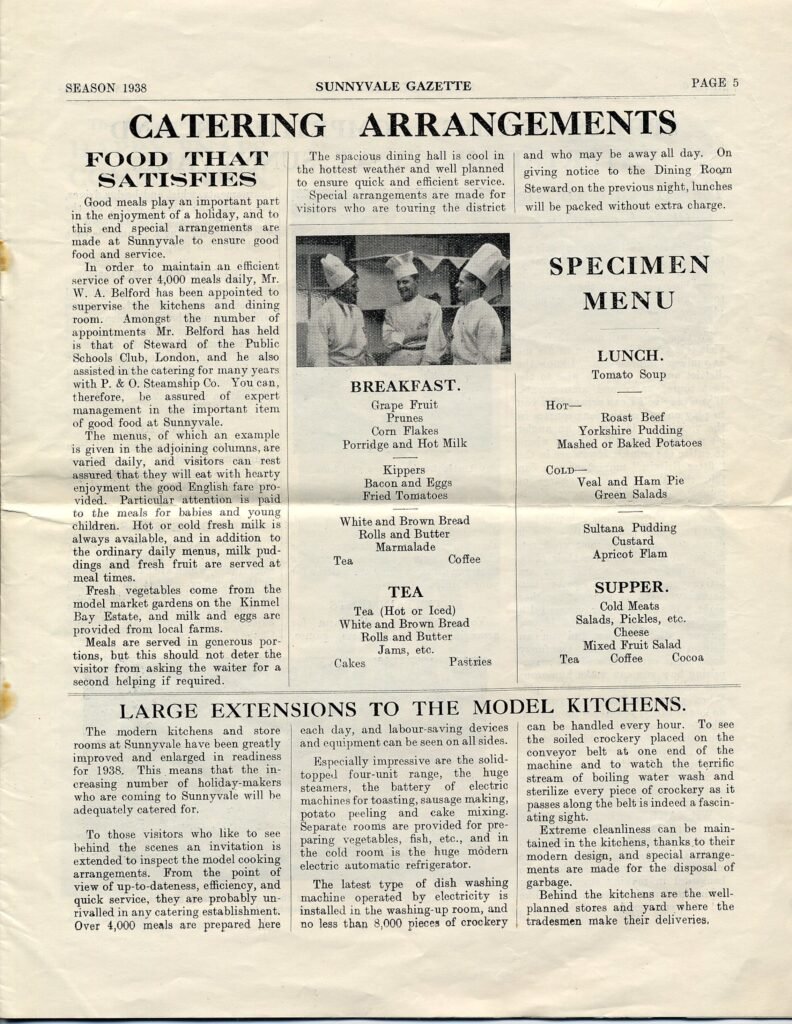
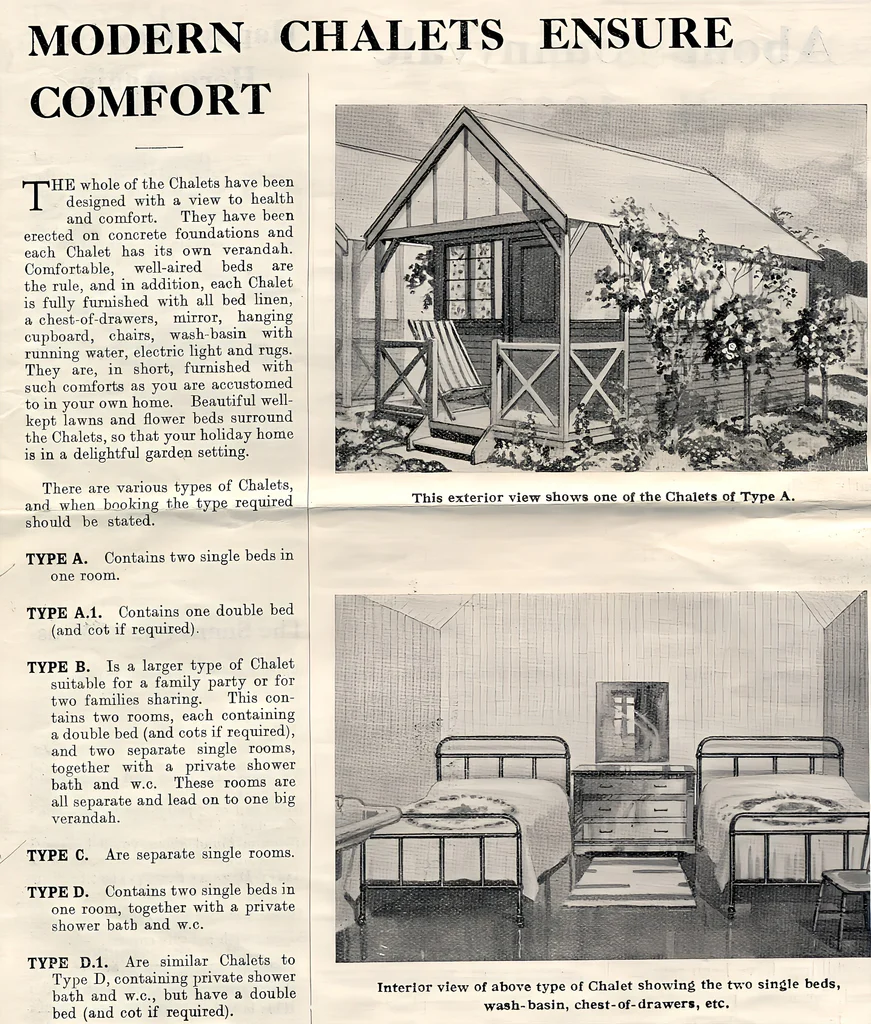
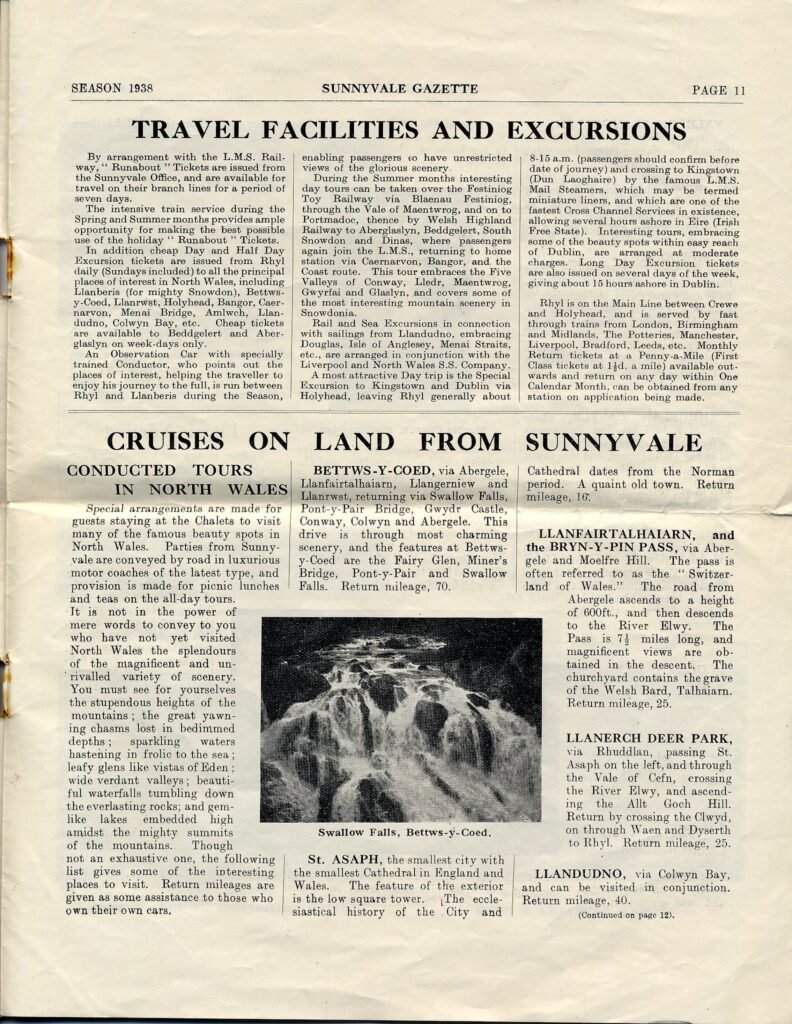
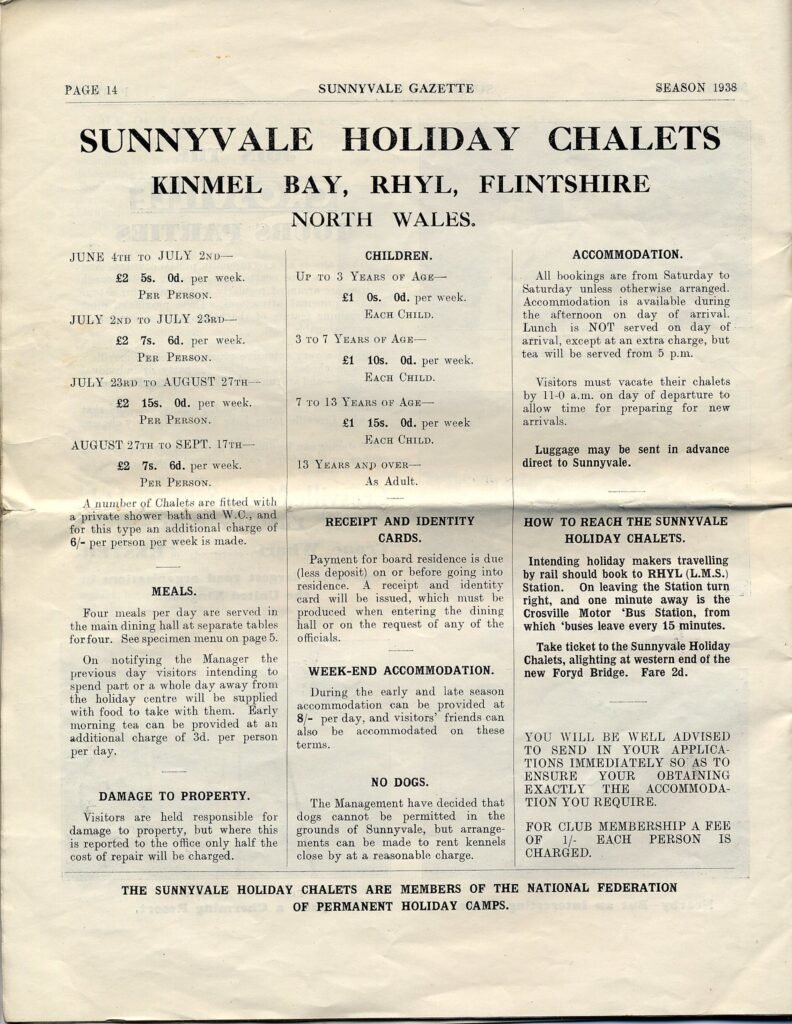
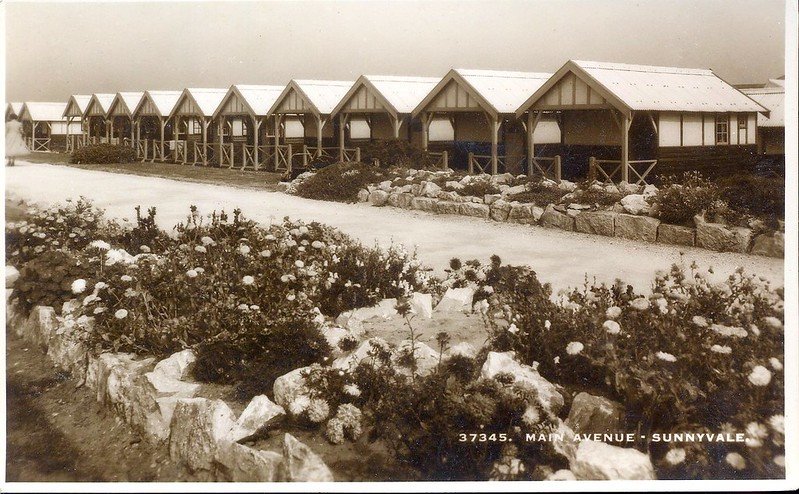
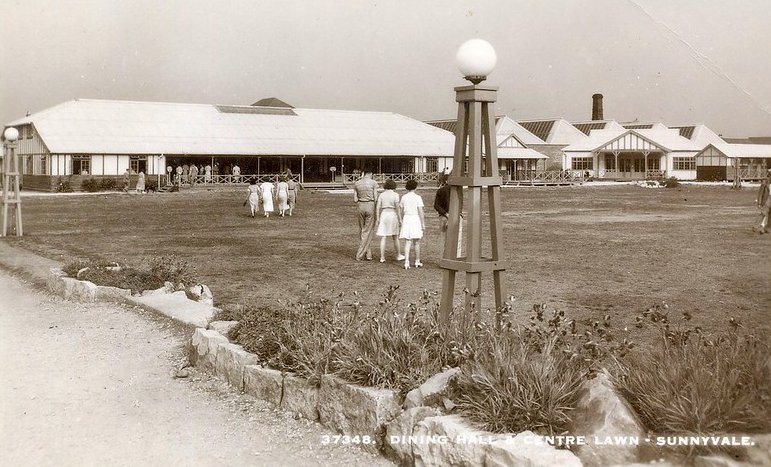
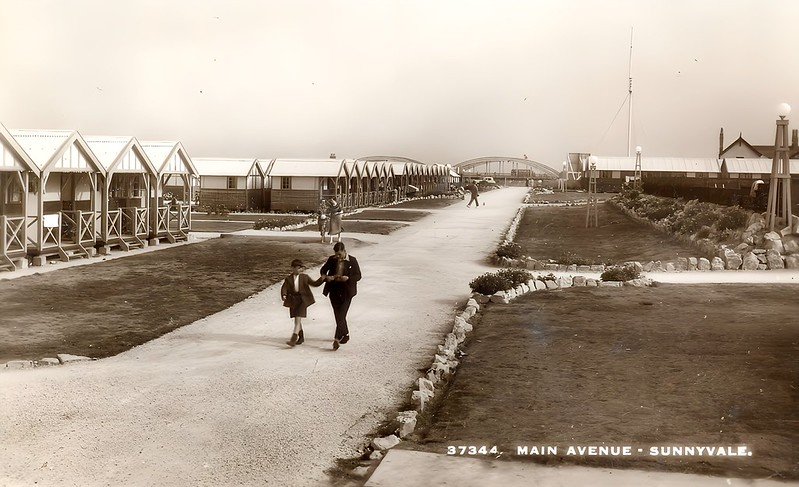
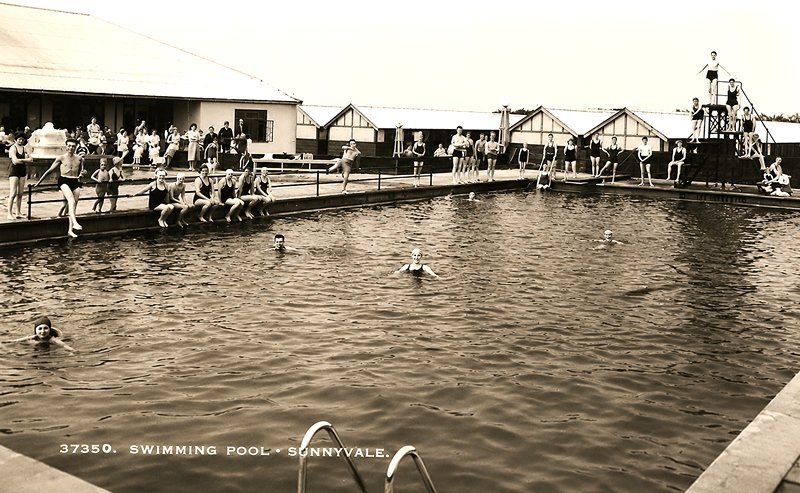
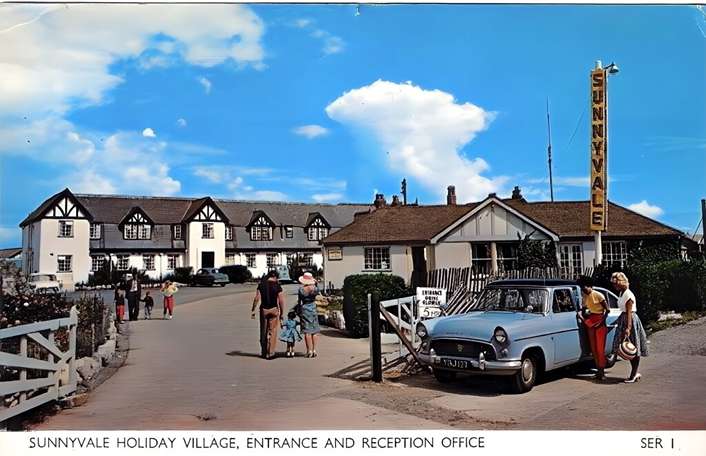
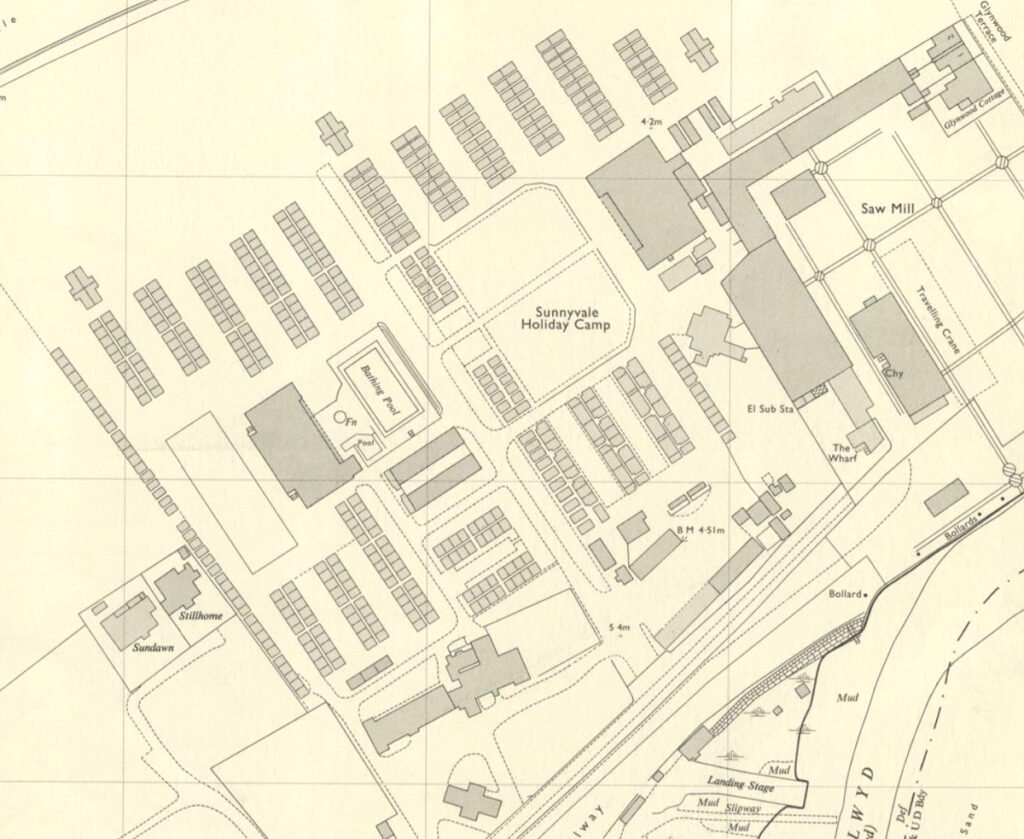
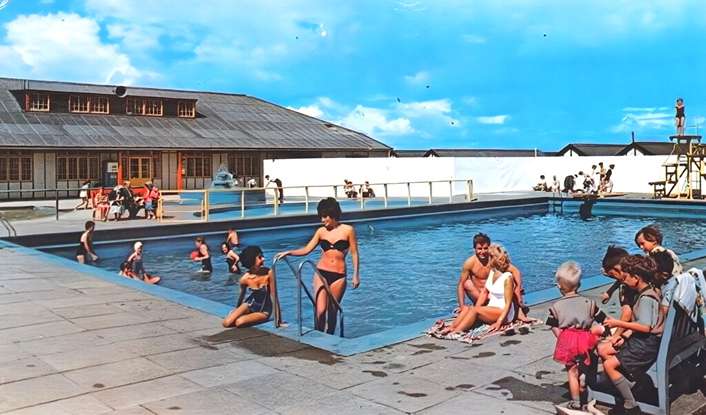
Sunnyvale Holiday Camp was a 22-acre seafront camp which opened back in May 1934. It could accommodate over a thousand guests in 560 wooden chalets. The camp boasted a range of facilities, including an 80ft x 40ft outdoor pool, a large dance hall, clubhouse and tennis courts. It operated as a full-board facility, with all meals included and taken in the large communal dining hall. The wooden chalets were equipped with beds, electric lighting, a chest of drawers and a cold-water sink. They were advertised as “the best built and equipped in the country.” Communal toilet blocks were located nearby. The camp also had its own 50-bed hotel.
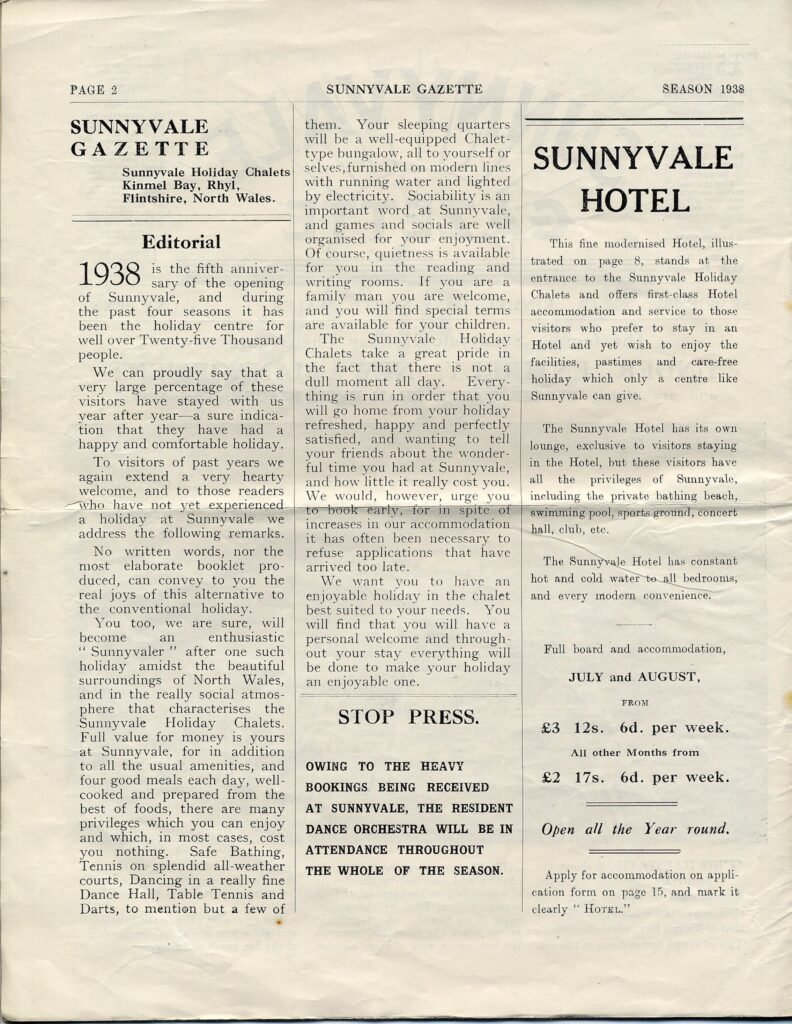
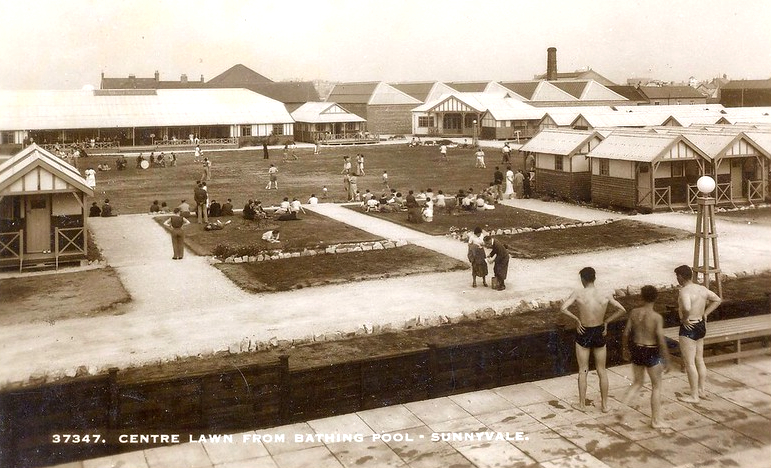
In 1960 the camp was sold to well-regarded local GP, Dr. Robert Jones, for £40,000. However, two years later, he found himself in court over a dispute concerning ownership rights. A local estate agent, who was also a childhood friend, claimed that Dr. Jones had disregarded their joint partnership agreement. The court ruled in favor of the estate agent, who was awarded the hotel as part of the settlement, and it was soon renamed to Sunnyvale Holiday Flatlets and operated independently from the camp.
By the 1970s, Sunnyvale Holiday Camp was a very different place from the thriving holiday camp it had once been. Years of wear and tear had taken their toll on the ageing 1930s chalets, all of which still lacked hot water and toilets. Dr Jones said that he only owned 150 of the chalets, as the rest had been leased out before he took over. He was also becoming increasingly frustrated at the vandalism and behaviour of the guests. “The communal toilet blocks get disgusting on some hot summer days. Human excreta is daubed all over the walls. said Jones, who liked to be known as Doctor Bob.
In 1971 60 holidaymakers staged an “angry protest” as the swimming pool was empty on arrival. Dr Jones said it had been drained due to vandalism with people throwing glass bottles into the water along with milk crates and even a full dustbin! Management vowed to have it cleaned and refilled as soon as possible. A brick wall was later built around the pool to try and protect it from the holidaymakers.
In 1978 Colwyn Bay’s Director of Housing and Environmental Health, Mr Seth Roberts, described Sunnyvale as “the worst in North Wales.” He claimed his department was being “flooded” with complaints from disgruntled holidaymakers, some of whom were paying as much as £45 a week to rent a chalet. Mr. Roberts said: “I want to make it clear that I sympathise with Doctor Bob, who is very concerned about the problems and the reputation of the Sunnyvale. It is what they call a ‘down market’ holiday camp, where ‘Coronation Street’ people take holidays. The bad ones among them behave in a manner which must be seen to be believed.
In 1980 plans were announced to finally improve the site by demolishing the old chalets and replacing them with new caravans which would be sold to private owners. Each caravan would also be connected directly to mains services, removing the reliance on the infamous toilet blocks.
Later that year a woman was found battered to death in one of the old chalets – her husband was later convicted for her murder.
The redevelopment was slow but steady and continued throughout most of the 1980s. But the site was still not immune to vandalism. In 1986 two of the old chalets were destroyed by fire. In 1988, ten of the new caravans had their windows smashed in a single night, while the following year three more caravans were destroyed in a mysterious arson attack.
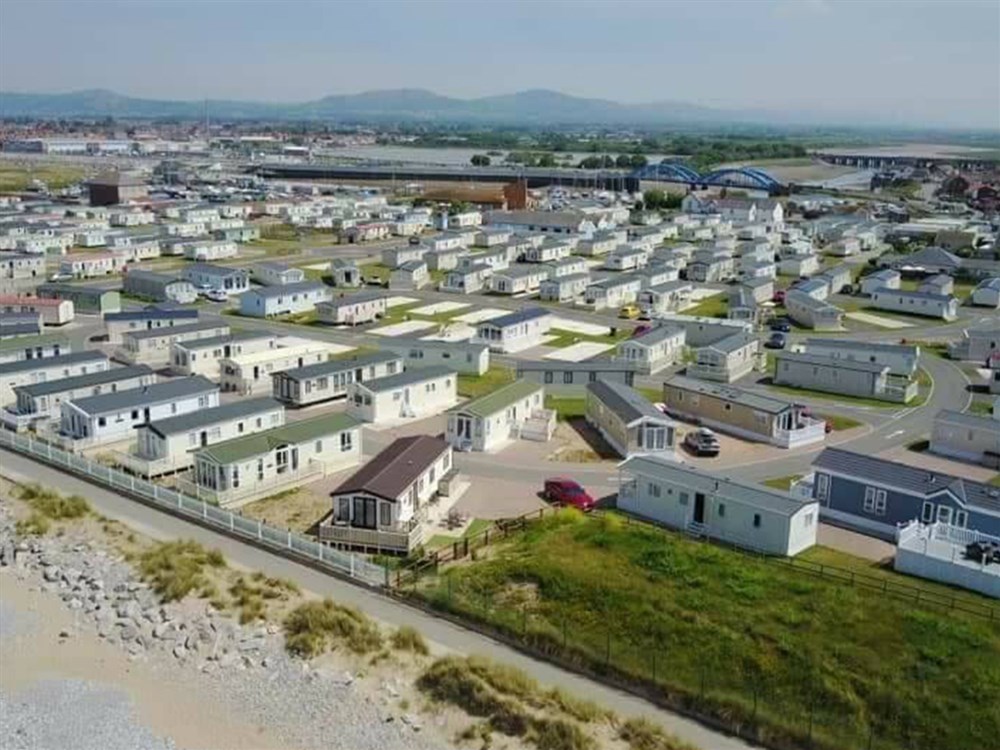
The site is still open today and known as Sunnyvale Caravan & Lodge Park. Nothing remains of the old camp, even the swimming pool has been filled in. Half of the Sunnyvale Hotel still stands and now appears to be a private residence. The site contains rows of neat caravans and lodges and has earned an upmarket reputation with good reviews In 2022 the park manager received backlash for making remarks about some of the “riff raff’ people who rent caravans at the park.