Bass Brewery was established in Burton upon Trent in the 1770s and in 1796 entered into partnership with fellow brewer Samuel Ratcliff. In 1835, John Gretton joined the business, which subsequently traded as Bass, Ratcliff and Gretton. Benefiting from Burton’s famous brewing water and the rapid expansion of the railway network, Bass grew enormously during the Victorian period, exporting its pale ales throughout Britain and across the world. By 1877 it had become the largest brewery in the world, and the families behind the company had accumulated enormous fortunes. Among them were the Grettons, who used their newfound wealth to establish themselves among the landed elite.
John Gretton acquired the Stapleford estate in 1894. According to a long-standing story, Queen Victoria’s eldest son, the future Edward VII, had considered buying Stapleford some thirty years earlier. His mother supposedly discouraged the idea, fearing that its location would place him rather too conveniently among Leicestershire’s fashionable – and notoriously “fast” – hunting set. Instead, the Prince acquired Sandringham in Norfolk, safely removed from such temptations.
Gretton, however, had no such qualms. A keen sportsman and eager to place himself at the heart of fashionable hunting society, he purchased Stapleford and set about transforming it into a country seat appropriate to his considerable wealth and social ambitions. The existing house was apparently not grand enough for his tastes, and an ambitious programme of enlargement and remodelling followed.
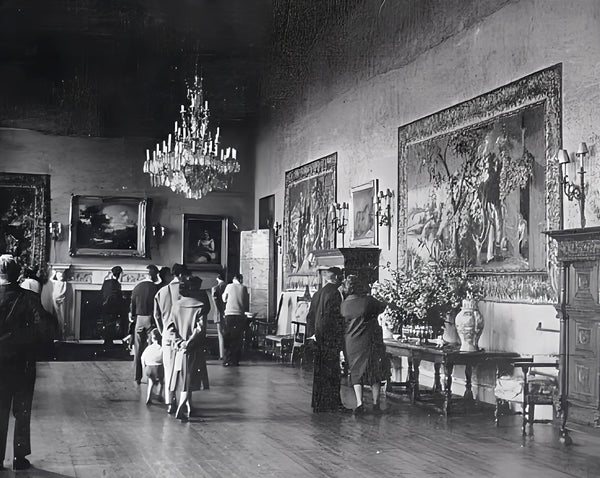
Among the most impressive additions was a new wing containing an 80-foot-long gallery, intended to display Gretton’s growing collection of paintings and works of art. The result was to transform Stapleford from an old country house into the sort of imposing late-Victorian mansion expected of one of Britain’s wealthiest brewing families.
Gretton never lived to see his plans fully realised. He died in 1899, only five years after purchasing Stapleford, with parts of the new interior still unfinished. The estate passed to his son, who lacked his father’s enthusiasm for lavish entertaining and apparently had little interest in completing the expensive scheme. Consequently, sections of Stapleford’s grand new interior remained unfinished for decades – leaving behind the rather unusual legacy of a Victorian mansion whose ambitious transformation had effectively stopped halfway through.
Instead, his son, John Gretton, became far more interested in politics and sailing, and proved remarkably successful at both. He sat in the House of Commons from 1895 until 1943 and achieved the extraordinary distinction of becoming the only serving British MP to win an Olympic gold medal. At the 1900 Paris Olympics he competed in sailing and won two gold medals. His long public career also brought numerous honours: he was appointed a CBE in 1919, became a Privy Counsellor in 1926 and, in 1944, was elevated to the peerage as the 1st Baron Gretton of Stapleford.
Lord Gretton died in 1947, leaving the Stapleford estate and a fortune valued at around £2.3 million to his only son, John, who became the 2nd Baron Gretton. On paper it was an enormous inheritance, but it came with an equally enormous problem. During his later years, the first Lord Gretton had given more than £1 million to members of his family, including some 120,000 company shares to his son. Because he died within five years of making these gifts, they remained liable for death duties. With the top rate reaching 75 per cent, the resulting tax bill was around £2.5 million – some £200,000 more than the value of the estate his son had inherited.
The second Lord Gretton therefore found himself in the peculiar position of inheriting a great fortune while simultaneously facing a financial crisis. Stapleford was an enormously expensive establishment to maintain, with thousands of acres of land and a household staff of around 50 servants and gardeners. The traditional country-house lifestyle that such an estate had been built to support was becoming increasingly difficult to sustain in post-war Britain.
Stapleford opens to the public
Like a growing number of aristocratic landowners faced with similar problems, Gretton realised that the estate would have to begin paying its own way. In 1953, Stapleford House was opened to paying visitors, making it one of the earlier stately homes to embrace the emerging country-house tourist trade.
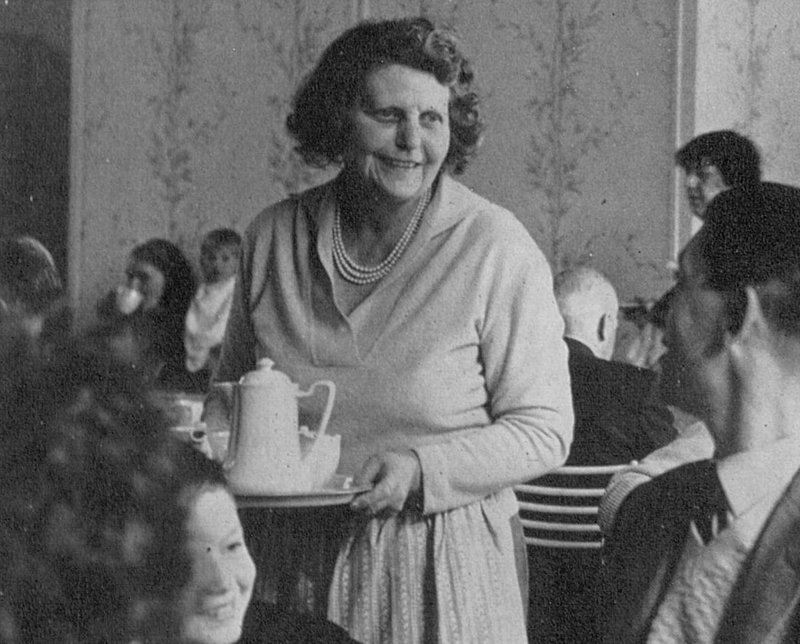
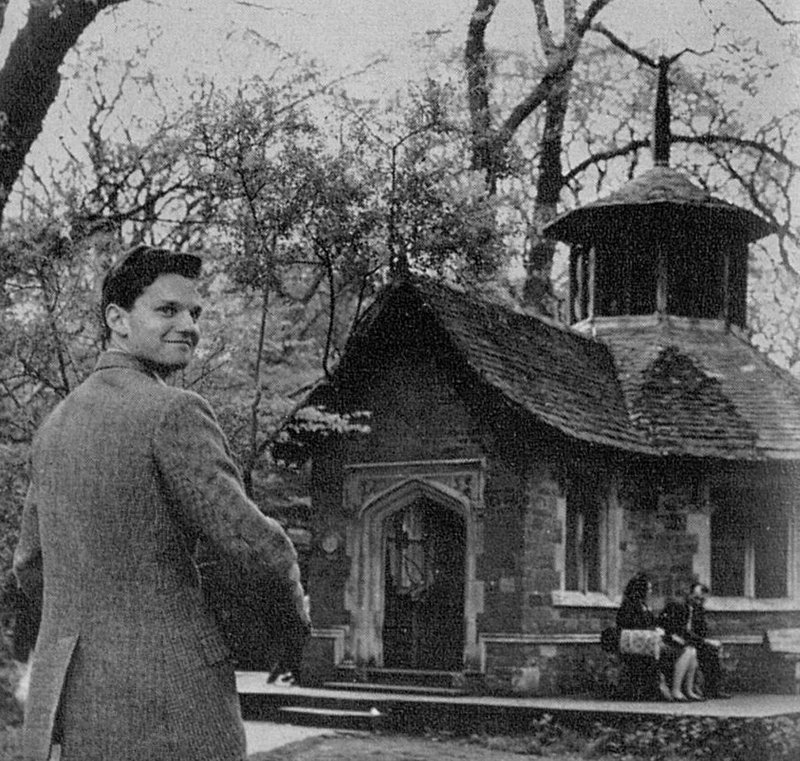
It was very much a family operation. Lady Gretton took charge of the tearooms, while their son Anthony ran the souvenir shop, appropriately housed in the estate’s former venison house. What had once been an intensely private aristocratic home was gradually being transformed into a visitor attraction – a change that would ultimately pave the way for an even more ambitious venture at Stapleford.
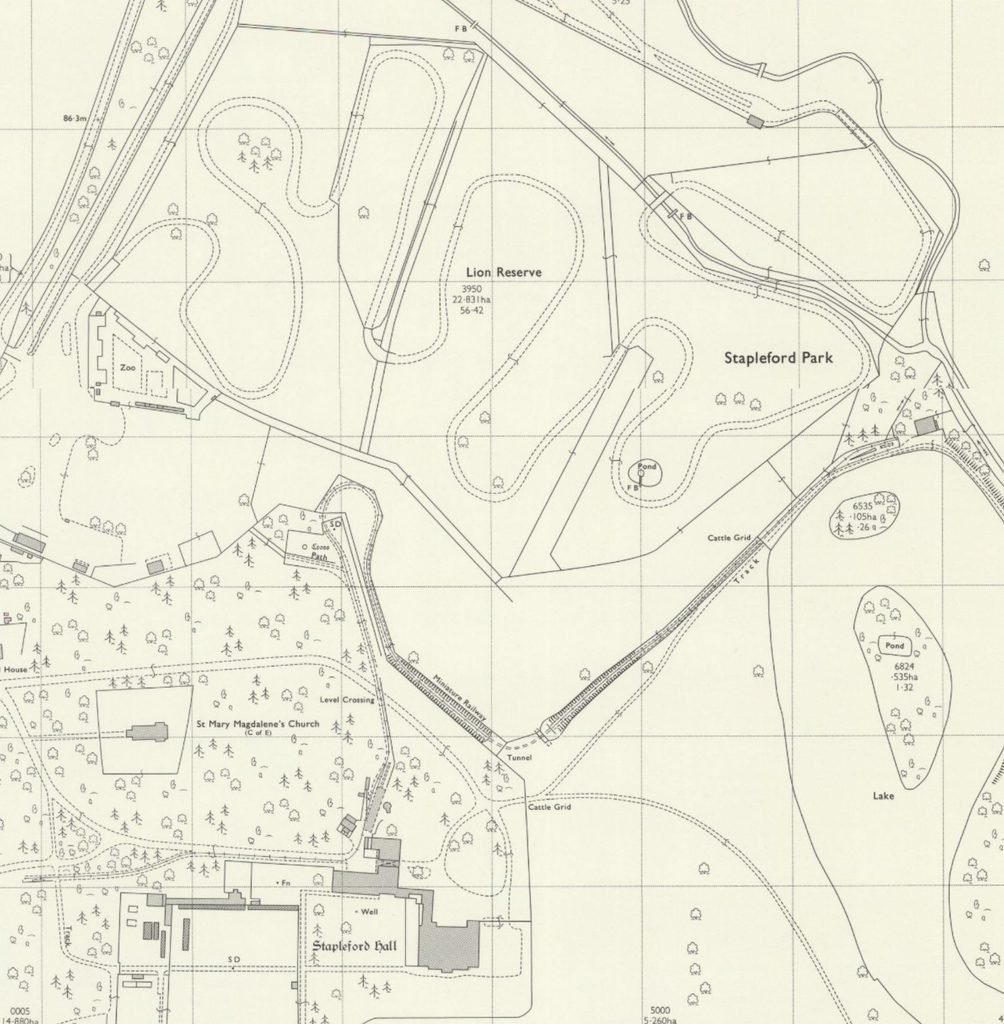
The Stapleford Miniature railway
Opening Stapleford House to the public helped with the enormous cost of maintaining the estate, but Lord Gretton was continually looking for new ways of attracting visitors and generating additional income. It was with this in mind that, in 1957, he purchased a second-hand miniature railway from Mablethorpe. Rather than simply being a private hobby, the railway was intended from the outset as a paying visitor attraction – something that would encourage more people to visit Stapleford and help the estate pay its way.
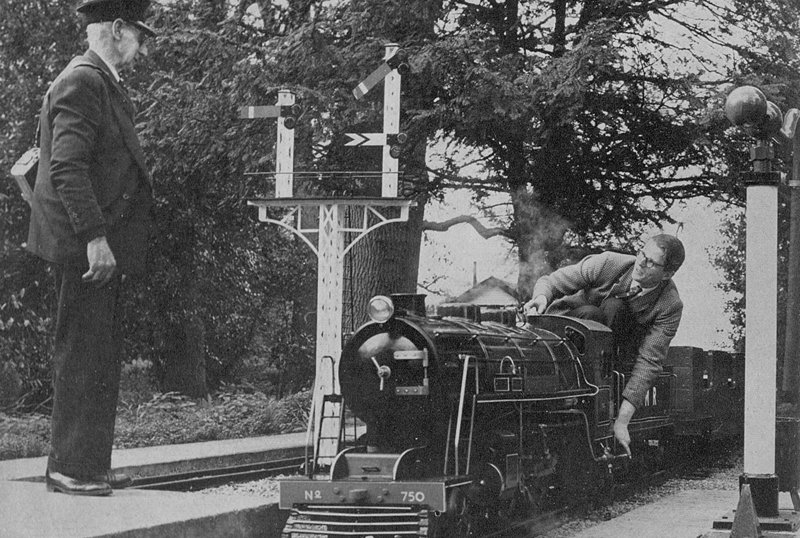
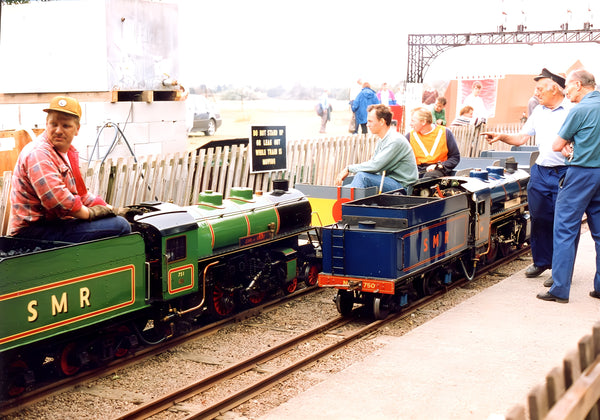
The railway consisted of two steam locomotives and six passenger carriages, all built by the noted miniature railway engineer David Curwen in 1948. The locomotives were renamed John of Gaunt and Blanche of Lancaster, reflecting Stapleford’s historic associations with the House of Lancaster.
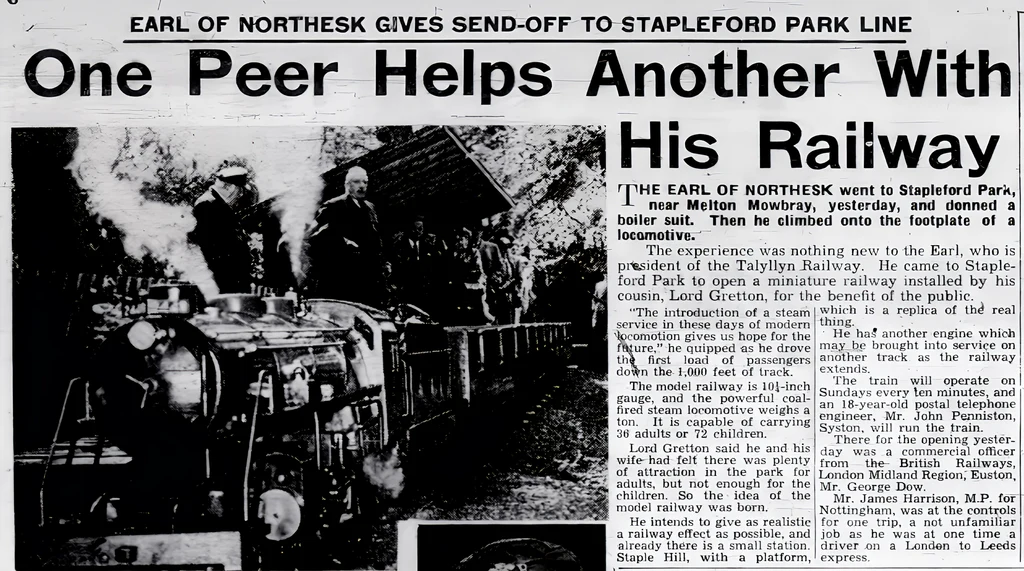
Around 800 feet of track was initially laid through the grounds, and on 18 May 1958 the Stapleford Miniature Railway officially opened. The opening ceremony was performed by Gretton’s cousin, the Earl of Northesk, himself a railway enthusiast and president of the Talyllyn Railway. The railway’s operation was overseen by Lord Gretton’s eldest son, John, who became closely involved and could frequently be found driving the trains himself.
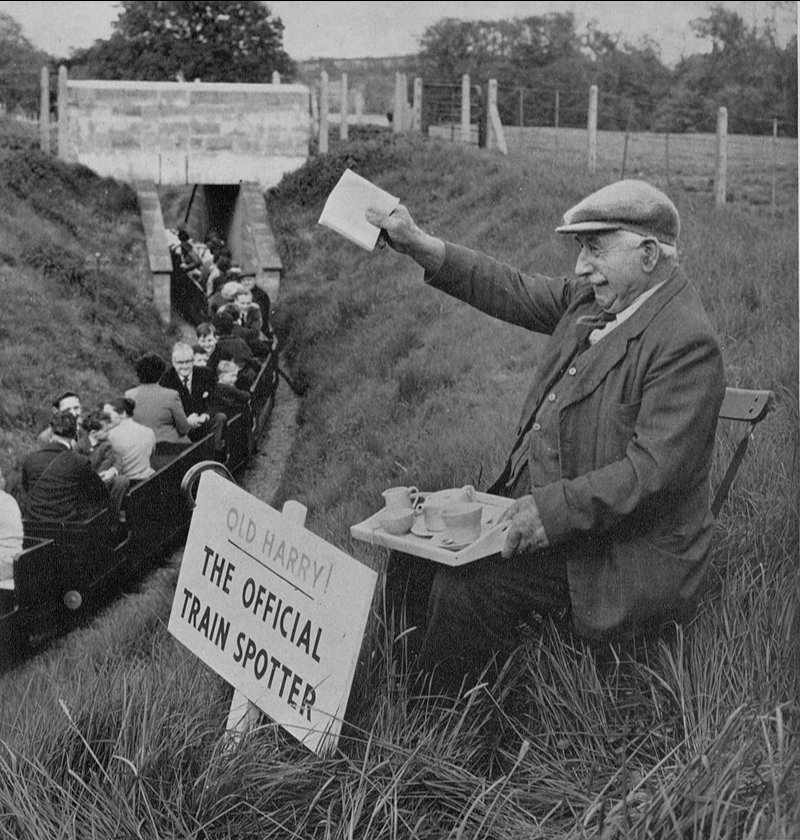
It proved an immediate success and soon became one of the most important parts of Stapleford’s growing visitor business. Its popularity quickly justified further investment. In 1959, only a year after opening, the track was extended to provide a muh longer journey through the estate and down towards the lake. As passenger numbers continued to increase, additional rolling stock was needed, and in 1962 Gretton returned to David Curwen, commissioning a new diesel locomotive together with six additional passenger carriages.
What had started as a relatively modest railway soon developed into one of Stapleford’s principal attractions and an important part of the estate’s increasingly commercial operation.
Miniature ocean liners
In 1963, looking for yet another attraction that could bring visitors to Stapleford and generate additional income for the estate, Lord Gretton once again turned to miniature railway engineer David Curwen. This time the idea was rather more unusual. For £2,000, Curwen was commissioned to build a scale model of the ocean liner SS Southern Star, large enough to carry paying passengers on 15-minute cruises around Stapleford’s 11-acre lake. The fare was two shillings per person.
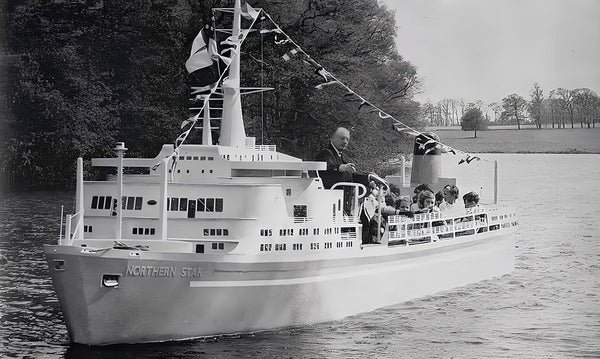
The resulting vessel, appropriately named Northern Star, was an impressive piece of engineering. Measuring 45 feet long and weighing around four tons, it could accommodate 36 passengers and was powered by a Ford Cortina engine. It was promoted as the largest working model liner in the world capable of carrying passengers. Because Stapleford’s lake was relatively shallow, conventional propellers were impractical, so Curwen ingeniously equipped the vessel with paddle-wheel propulsion, discreetly concealed beneath the stern to preserve the appearance of a miniature ocean liner.
The new attraction also complemented the miniature railway perfectly. The lakeside railway station stood only a few feet from the boat landing stage, allowing Stapleford to offer what was effectively its own miniature boat-and-train service. Visitors could travel down from the house by steam train, step off beside the lake and transfer almost immediately onto the Northern Star for a cruise. Individually the railway and boat were relatively simple attractions, but together they were turning a visit to Stapleford into a much fuller day out – and, importantly, providing additional sources of income beyond admission to the house itself.
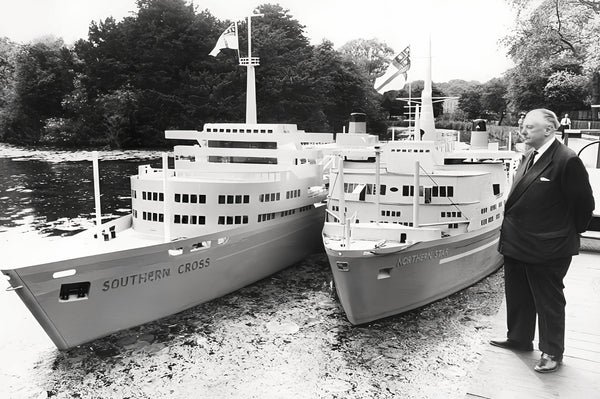
The Northern Star proved successful enough for Lord Gretton to return to Curwen in 1968 with an order for a second vessel. Named Southern Cross, it followed much the same concept, although its construction was subcontracted to Severn Lamb at a cost of around £3,000.
Before entering regular service at Stapleford, the new boat received an unusual piece of national publicity. In November 1968, Southern Cross was transported to London to take part in the Lord Mayor’s Show, where it appeared as a parade float carrying 20 beauty queens. It was certainly an unconventional debut for a pleasure boat, but exactly the sort of publicity that helped draw attention to Stapleford’s increasingly ambitious collection of visitor attractions.
The video below was made by British Pathe and shows the Stapleford miniature railway and Northern Star ocean liner in 1964
The lions of Stapleford
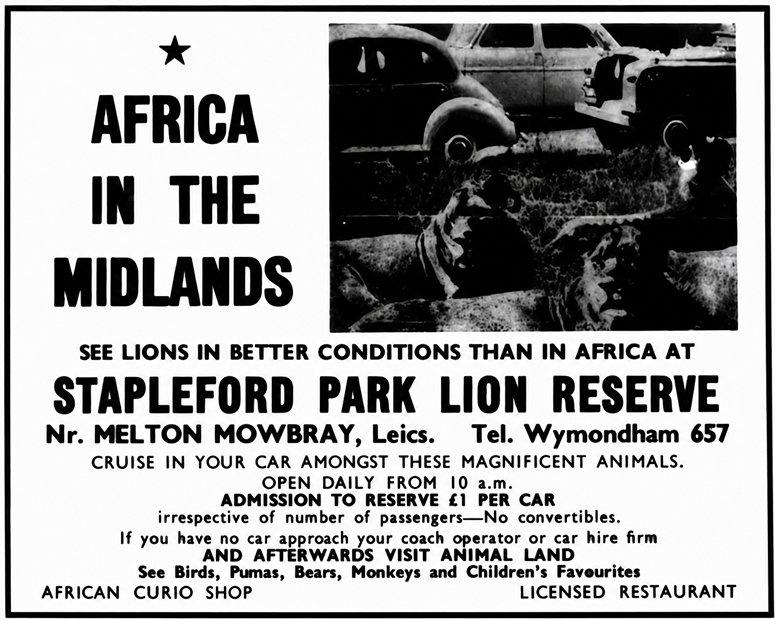
In 1968, Stapleford took its biggest step yet towards becoming a fully fledged tourist attraction with the opening of the Midlands’ only lion reserve – and only the second drive-through lion park in Britain, following the success of Longleat two years earlier. Covering around 50 acres of the estate, the new attraction cost £30,000 to develop and was created in partnership with the famous Chipperfield family, who supplied around 30 lions.
A 12-foot-high security fence surrounded the reserve, while visitors entered through a series of controlled gates before driving their own cars along a two-mile winding route through the lions’ territory. The dangers were treated with a certain amount of humour. Signs warned motorists not to leave their vehicles or feed the animals, including the memorable threat: “Survivors will be prosecuted.”
The novelty proved enormously popular. Around 10,000 people descended on Stapleford over the Easter weekend alone, paying £1 per car to enter the reserve. It was a remarkable response and demonstrated just how far the estate had travelled since opening its doors to visitors 15 years earlier. The miniature railway and pleasure boats had helped turn Stapleford into a family day out, but the arrival of the lions gave it a major attraction capable of drawing visitors in its own right.
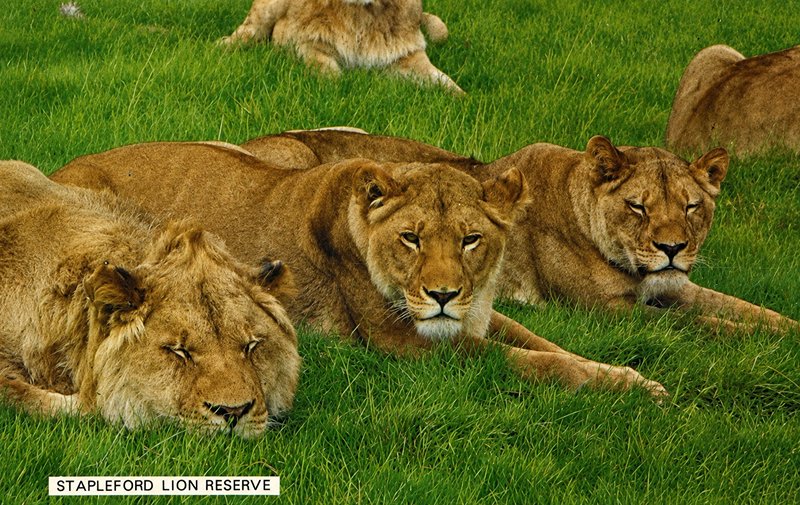
Not everybody, however, was impressed. The sheer number of cars could turn the supposedly exciting safari into a lengthy traffic jam. One early visitor complained that “the two-mile drive through the reserve is in fact one long nose-to-tail traffic jam,” adding that the lions appeared completely unmoved by the procession of vehicles. Unable to persuade them to display any signs of ferocity, the family christened them the “lazy lions of Stapleford.”
Another visitor described the experience as “something of a trial.” The four adults in their party became “hot and flustered” as the lions refused to move and the traffic crawled painfully through the enclosure. It was a particular problem during warm weather. Air conditioning was still a rarity in British cars, yet for obvious reasons windows had to remain firmly closed inside the lion reserve. A slow-moving queue on a hot summer afternoon could therefore become an endurance test rather than an African adventure.
The success of the lion reserve nevertheless encouraged further expansion. The following year the Chipperfields added a small walk-around zoo known as Animal Land. Its collection included a black-maned lion, rhesus monkeys, tigers and two Russian bears, which Lord Gretton himself described rather ominously as “rather unpredictable.” There was also an aviary containing a variety of exotic birds.
Among them were African crested cranes, although Stapleford’s collection did not remain entirely where it was supposed to. Three were delivered to the estate, but two escaped and subsequently became familiar sights flying around the surrounding countryside — an unexpected touch of Africa in rural Leicestershire.
Significantly, both the lion reserve and Animal Land operated as attractions in their own right, with separate admission charges, and visitors did not have to pay to enter Stapleford House in order to see them. By the end of the 1960s, the old country house was therefore becoming only one element of a much larger leisure business.
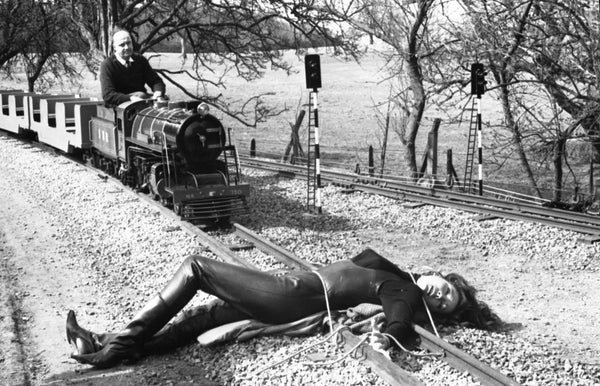
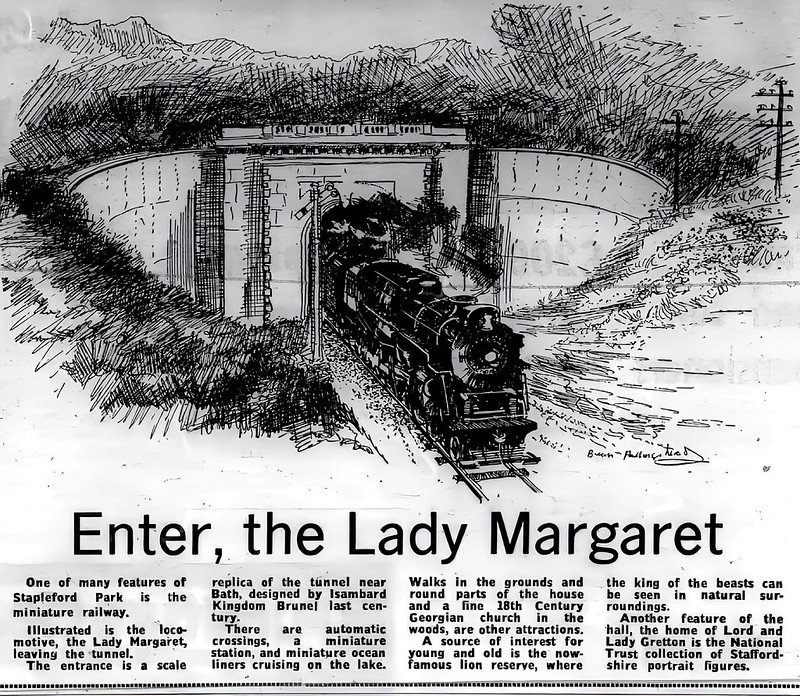
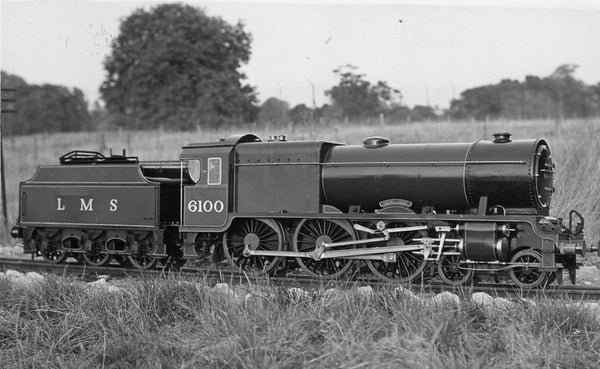
The miniature railway was also continuing to expand. By the late 1960s it had developed far beyond the modest second-hand railway that Lord Gretton had originally purchased from Mablethorpe. John Gretton had become particularly enthusiastic about the line and now set his sights on building something altogether more ambitious – a miniature version of an American ‘Berkshire’ class locomotive, among the largest and most powerful steam locomotives ever built.
The new locomotive was constructed at Stapleford itself by Neil Simkins and Richard Coleby. Completed in 1971, the finished machine was an impressive 19 feet long and weighed around 3½ tons. It was claimed to be the first steam locomotive ever constructed at a stately home. The locomotive was named Lady Margaret and gave the railway a much more spectacular form of motive power, capable of hauling increasingly heavy passenger trains around the estate. At around the same time, a Royal Scot locomotive was also added to the fleet.
The decline sets in
By the late 1960s, Stapleford had developed into one of the Midlands’ major tourist attractions. The combination of the stately home, miniature railway, pleasure boats, lion reserve and Animal Land could draw enormous crowds. On Whitsun Bank Holiday Monday in 1968 alone, an impressive 9,000 people descended on the estate.
The boom was not to last. During the 1970s visitor numbers began to decline significantly, and some of the attractions gradually disappeared. In 1975, Blanche of Lancaster, one of the two original Curwen steam locomotives purchased from Mablethorpe, was sold. Two years later, in 1977, the lion reserve closed after less than a decade.
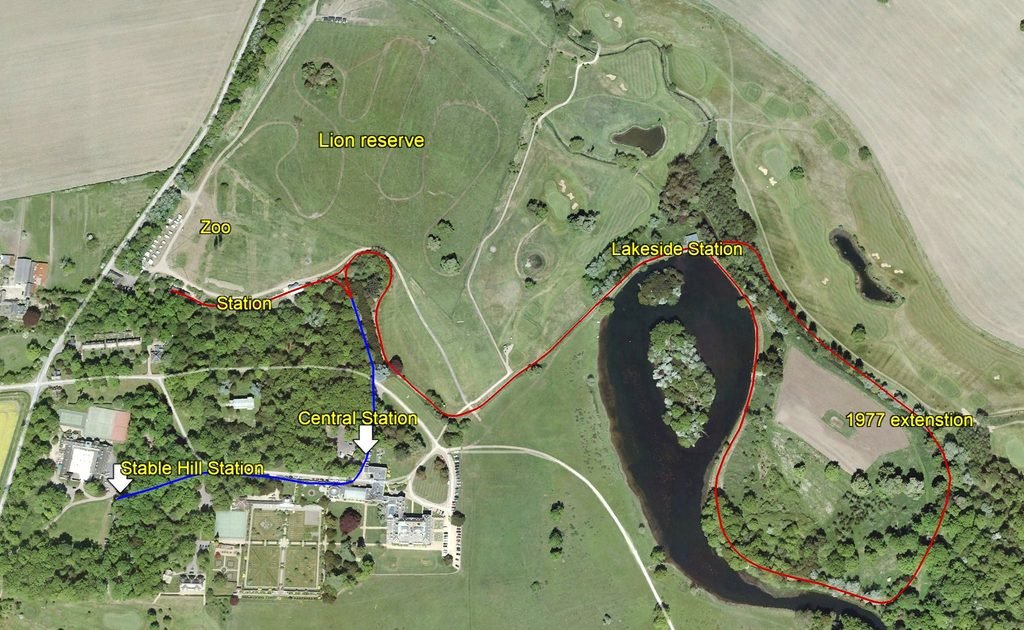
It was not all bad news, however. The Grettons remained committed to the miniature railway and in 1977 undertook one of its biggest expansions yet, constructing a new three-quarter-mile extension alongside the lake. The railway had outlasted several of the attractions that had been added around it and remained an important part of the Stapleford visitor experience.
Then came 1982, a disastrous year for both the family and the estate. Lord Gretton died in March, followed by the death of his younger son Anthony in November. Between the two tragedies, the miniature railway suffered a serious derailment during the summer in which seven people were injured.
John Gretton succeeded his father as the 3rd Baron Gretton and, once again, the family found itself facing a substantial bill for death duties. This time, however, the estate no longer had the thriving tourist business that had helped sustain it during earlier decades. Visitor numbers had fallen to just 30,000 in 1982. To put that decline into perspective, Stapleford had attracted 9,000 people on a single Bank Holiday Monday in 1968 — almost a third of the number now visiting during an entire year.
Faced with rising costs and falling income, Gretton announced that Stapleford would not reopen to the public for the 1983 season. He explained that the attraction had become uneconomic, with the money taken at the gates barely sufficient to cover staffing and advertising costs. After 30 years, the experiment that had begun with opening the family home to paying visitors in 1953 had effectively come to an end.
Various schemes were considered in an attempt to find a financially sustainable future for Stapleford. One proposal involved establishing a country life and sporting museum, while there was even discussion of the local council acquiring the house for use as offices. None came to fruition. The miniature railway locomotives and rolling stock were placed into storage, while the two model liners that had once carried visitors around the lake were apparently sold for scrap.
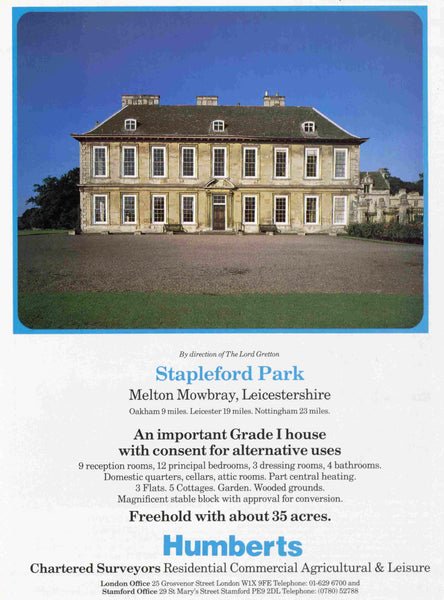
With no obvious way of making the house pay for itself, the family eventually decided to dispose of it. In March 1985, Stapleford House was placed on the market together with around 33 acres of surrounding grounds. Significantly, the Grettons retained the remaining 500 acres of the estate.
Bob Payton take over
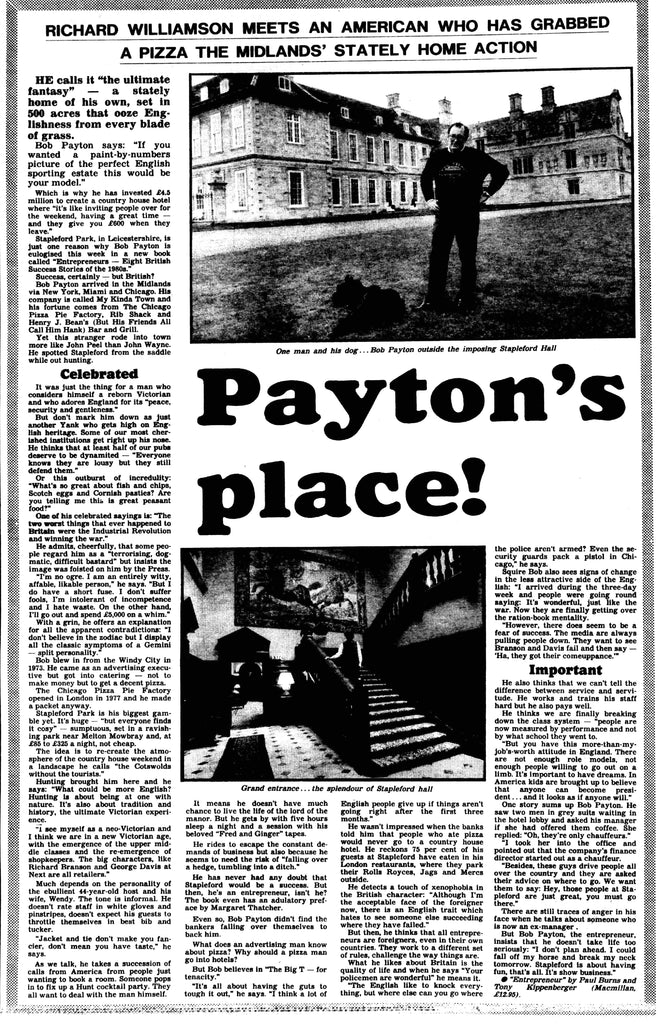
Stapleford House did not remain on the market for long. In June 1985 it was acquired for £743,000 by colourful American businessman and restaurateur Bob Payton, although it was agreed that he would not formally take possession until January 1986.
Payton had made his name introducing American-style restaurants to Britain and Europe and is often credited with helping popularise deep-dish pizza in the UK. Among his best-known ventures was the Chicago Pizza Pie Factory, part of a growing restaurant empire that had made him a familiar figure in the hospitality industry. At Stapleford, however, he was embarking on something considerably more ambitious.
Before the Grettons left, the house witnessed one final drama. In October 1985, a masked gunman broke into Stapleford and tied up Lord and Lady Gretton before escaping with around £34,000 worth of silver. He made his getaway in Lady Gretton’s Ford Escort, but was subsequently caught and sentenced to 15 years in prison.
Then, in December 1985, much of the accumulated contents of Stapleford House went under the hammer in what was billed as “the sale of the century.” More than 1,000 prospective buyers attended the two-day auction, which raised over £200,000. Payton himself was among the bidders, buying back a number of pieces that he felt should remain with the house – including Lord Gretton’s four-poster bed.
When Payton finally took possession, he set about transforming the former family seat into an exclusive 23-bedroom country-house hotel. Around £4.5 million was spent on the project – several times the price he had paid for the property itself – restoring and modernising the building while adapting it for its new commercial role.
The conversion finally completed some of the spaces that had remained unfinished since John Gretton’s ambitious enlargement of the house almost 90 years earlier. The great art gallery, which had never been fully completed as originally intended, was divided to create four hotel bedrooms. Elsewhere, the former venison house, which had served as the gift shop during Stapleford’s years as a tourist attraction, found yet another use as a falconry centre.
Payton also left his own deliberately humorous mark on the fabric of the building. High on the façade, an old inscription recorded how an earlier nobleman had “repayred” the house Anno Domini 1633. Far below it, Payton inserted a new stone bearing the wonderfully understated words:
“…and Bob Payton did his bit Anno Domini 1988.”
The transformation proved sufficiently impressive for Payton to be named ‘Tourism Personality of the Year’ the following year at an awards ceremony held at the London Hilton. He continued investing in Stapleford, subsequently adding another 12 bedrooms and securing planning permission for further leisure facilities, including a golf course and indoor swimming pool.
Within only a few years, Stapleford had therefore undergone another remarkable reinvention. The house that the Gretton family had struggled to sustain as a conventional tourist attraction was now being repositioned at the opposite end of the market as an exclusive luxury country-house hotel.
The miniature railway reopens
Tragically, the 3rd Lord Gretton died in 1989 at the age of just 48. He had been closely associated with the miniature railway since his youth, frequently driving the trains and later overseeing its considerable expansion. A couple of years after his death, a group of railway enthusiasts and volunteers approached his widow, Lady Gretton, with the idea of restoring the line and reopening it as a lasting tribute to her husband. She enthusiastically supported the proposal and agreed to finance the restoration.
It was no small undertaking. The railway had been out of use for almost a decade and nature had begun reclaiming much of the route. The track was heavily overgrown, the tunnel had fallen into disrepair and the locomotives and rolling stock required extensive refurbishment.
There was also one major complication. The old main station, together with around 500 yards of the original track, had stood within the 33 acres sold with Stapleford House to Bob Payton. By this time the stations and track had long since been demolished, making restoration of the complete original route impractical.
Fortunately, the majority of the railway remained on the 500 acres still owned by the Gretton family. The surviving route was gradually brought back to life by the volunteers. The track was cleared and repaired, the locomotives and carriages were refurbished and the tunnel rebuilt. A new station and train shed was established close to where the old zoo used to stand.
In 1995, Stapleford hosted an open day and passenger trains ran again for the first time in 13 years. Appropriately, Blanche of Lancaster — one of the two original Curwen steam locomotives with which the railway had opened back in 1958 — returned to Stapleford for a guest appearance.
Although no longer operated as an everyday commercial tourist attraction, the Stapleford Miniature Railway once again established a reputation as one of the finest miniature railways in the country. The restored line now provides a journey of around 1½ miles, with a complete round trip taking around 15 minutes.
The miniature railway is a private operation but usually opens to the public twice a year. Visit their website for more information.
IIn 1992, Bob Payton placed Stapleford Park on the market with an asking price of £6.5 million. After investing so much time and money in the property, he now wanted to devote more attention to his 23 restaurants. He had also become frustrated by the failure to find a partner willing to develop the leisure facilities he believed Stapleford needed. “We wanted a developer to come along and build the pool and golf course,” he explained, “but there doesn’t seem to be anyone with the guts to do it.”
No suitable buyer emerged and Payton declared that he was perfectly happy to continue running the hotel himself.
Tragically, Payton never got the opportunity to realise all of his plans. In 1994, he was killed in a car accident.
The Peter de Savary era
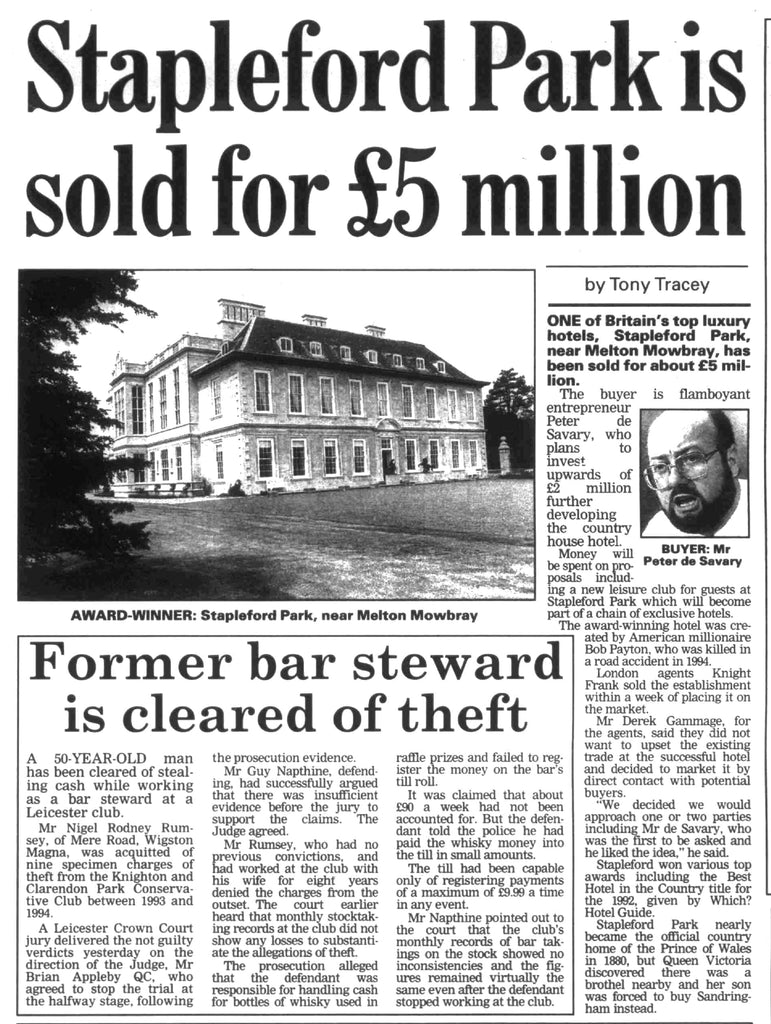
The house was put back up for sale and two years later was acquired by entrepreneur Peter de Savary, who embarked upon another major programme of investment. Nine additional bedrooms were created, together with a health spa and orangery, further developing Stapleford as an exclusive country-house retreat. De Savary also revived Payton’s long-standing ambition for a golf course. In 1999, around £5 million was spent creating an impressive par-73 course designed by renowned golf architect Donald Steel.
Stapleford subsequently developed a reputation as a discreet luxury retreat for the rich and famous. Over the years its guests reportedly included Sarah Ferguson, Will Smith, David Beckham, Michael Jackson, Guns N’ Roses, Lionel Richie, Naomi Campbell and Mariah Carey, along with numerous other celebrities and minor members of royalty.
The hotel was later sold to a group of investors, but over time its reputation began to fade and standards reportedly started to slip. Another serious blow came in 2020 when the golf course closed, following declining membership and falling visitor numbers. The loss of such an important leisure facility inevitably had a knock-on effect on the hotel, removing one of the attractions that had helped establish Stapleford as a destination resort.
By 2022, signs of underinvestment were becoming increasingly difficult to disguise. A Daily Mail reviewer was distinctly unimpressed, drawing attention to stained carpets, peeling wallpaper, poor lighting and booming music. While acknowledging the magnificence of the building and the efforts of the staff, the reviewer concluded: “Stapleford Park looks magnificent from the outside and the staff do their best to pretend that staying here is a real treat, but the place needs a thorough shake-up. Or to drop the prices by 50 per cent.”
In October 2024 the hotel business finally collapsed. The owners announced: “With deep regret, we must inform you that Stapleford Park Hotel has stopped trading as of October 16, 2024… adverse trading conditions have made it impossible to continue operations.”
The hotel entered liquidation and all 92 members of staff were made redundant. At the time of writing the hotel remains closed.
The video below shows a group of urban explorers taking a look around the disused house in the summer of 2026.
: