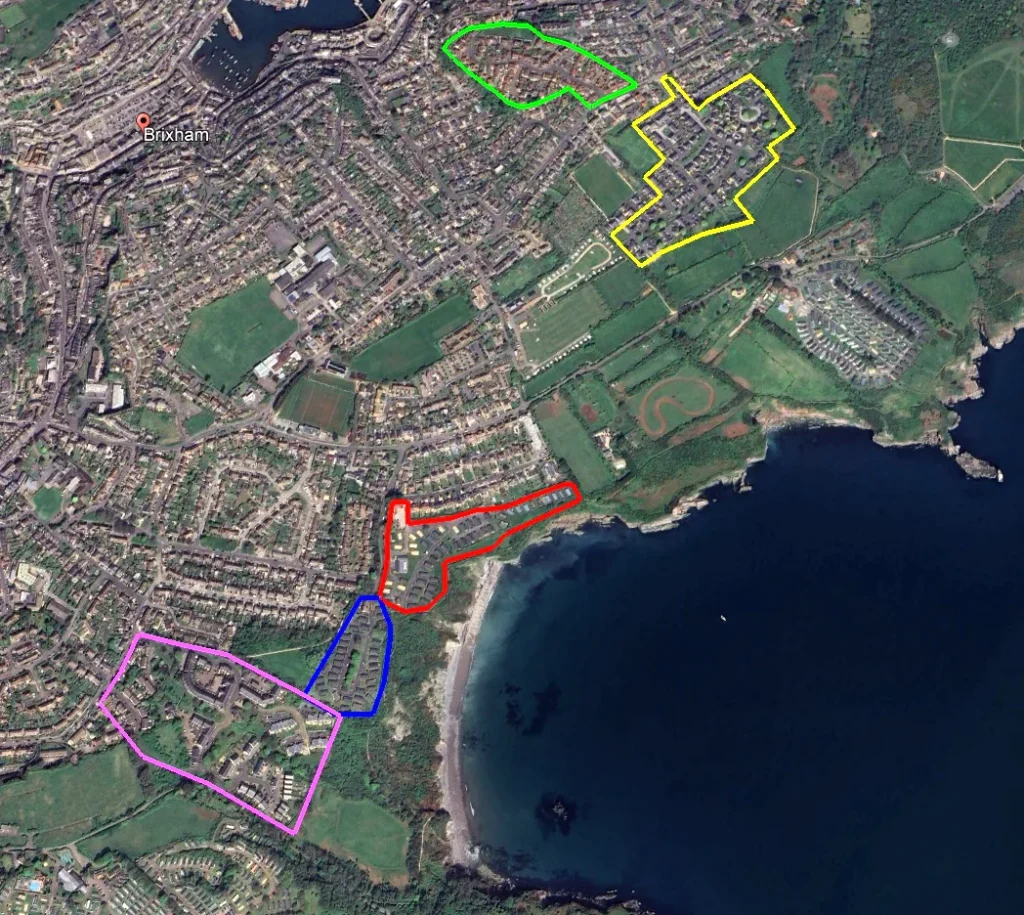
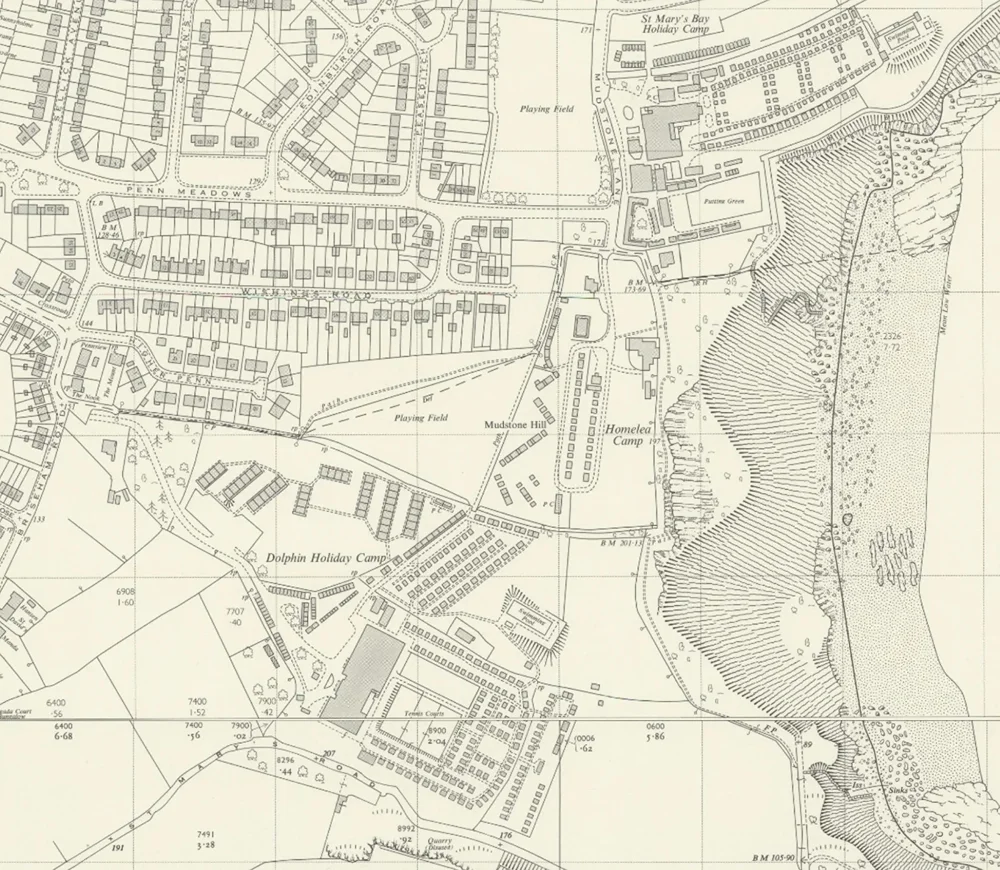
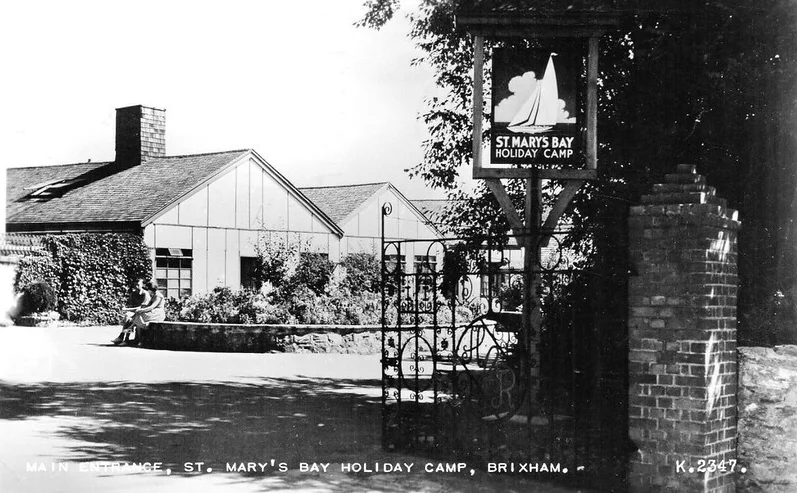
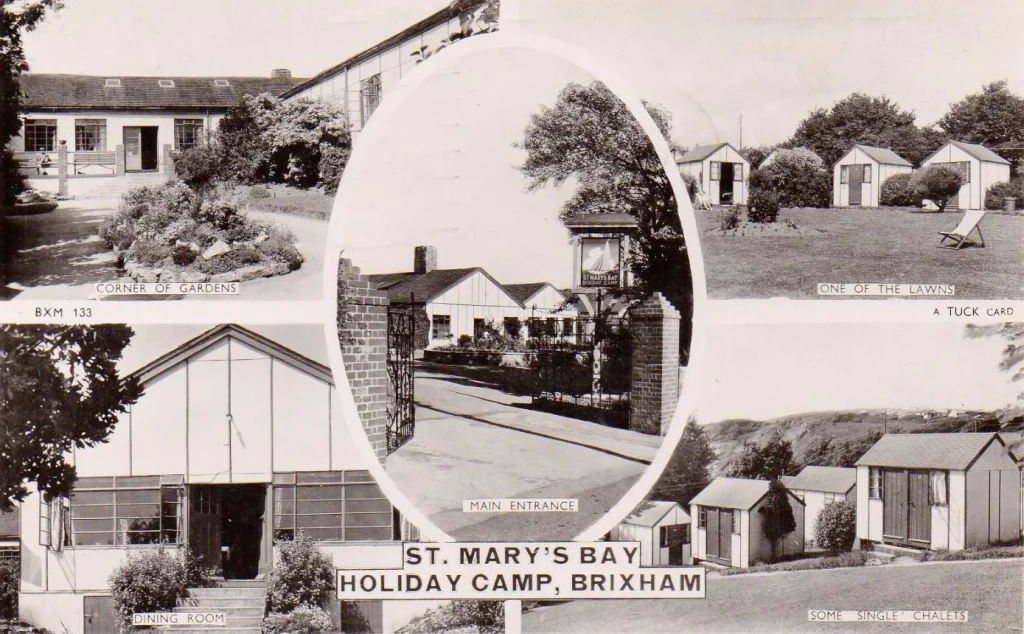
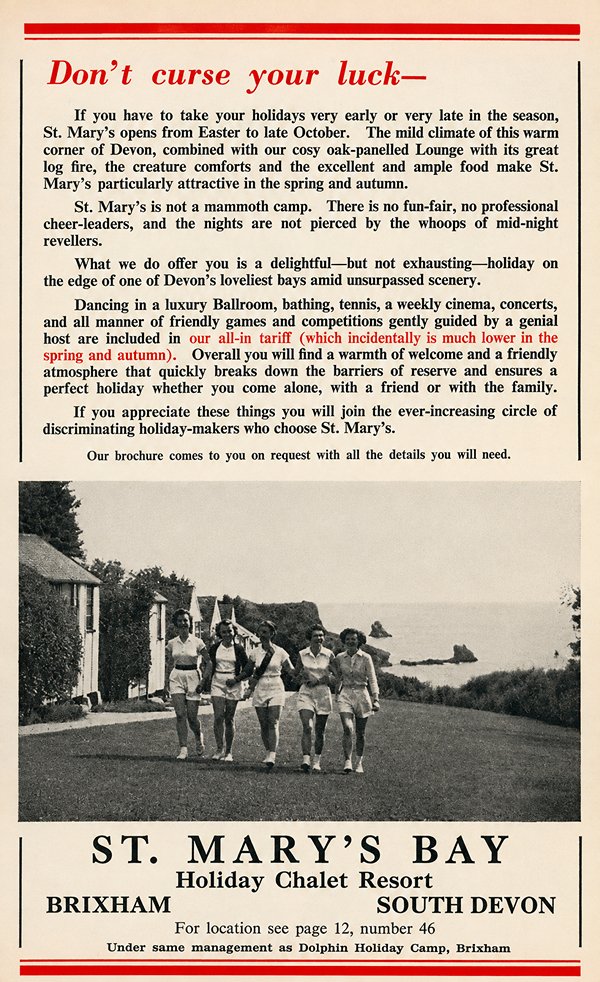
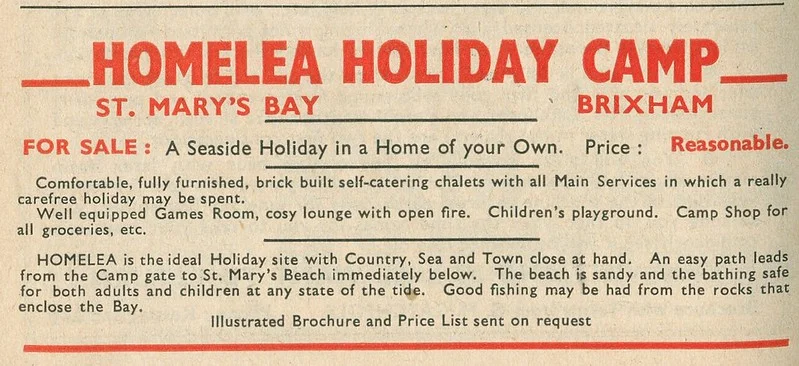
During the 1930s, a number of small holiday camps and camping sites sprang up around the Brixham area – much to the dismay of local residents, who feared they would lower the tone of the district and reduce property values. St Mary’s Bay and Homelea both opened in 1936, followed by Dolphin in 1938.
In 1948, the Dolphin company acquired St Mary’s Bay. To raise funds for the purchase, the company went public, reporting a pre-tax profit of £26,000 that year and paying a dividend of 6%.
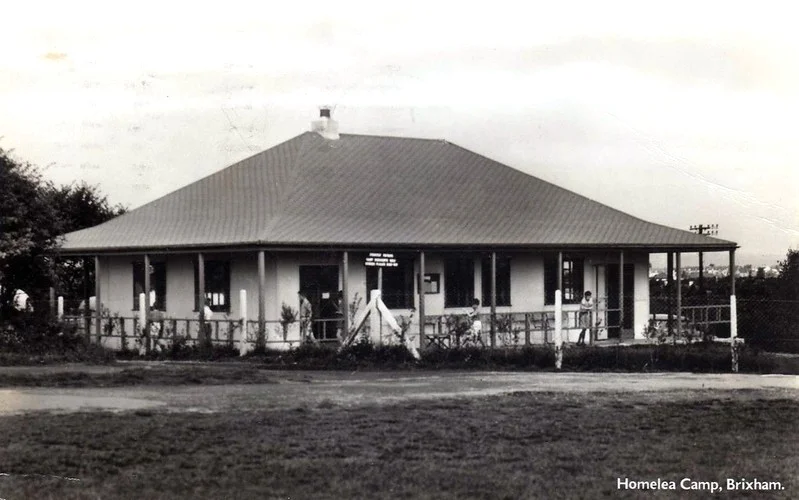
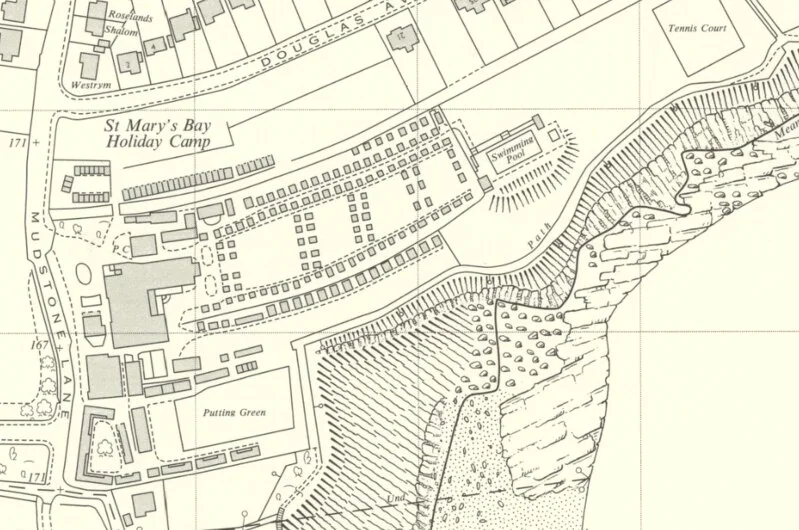
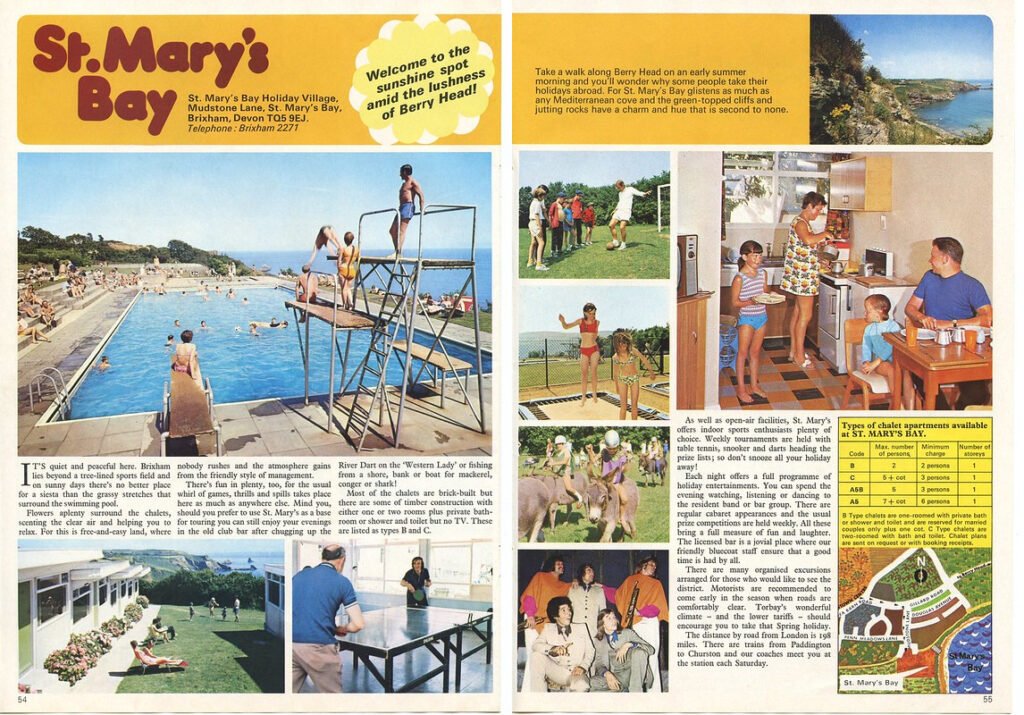
The 1950s brought major development. A large outdoor swimming pool was built, while the company also acquired the neighbouring Homelea camp, a small three-acre site situated between its two existing properties.
Pontins takes over
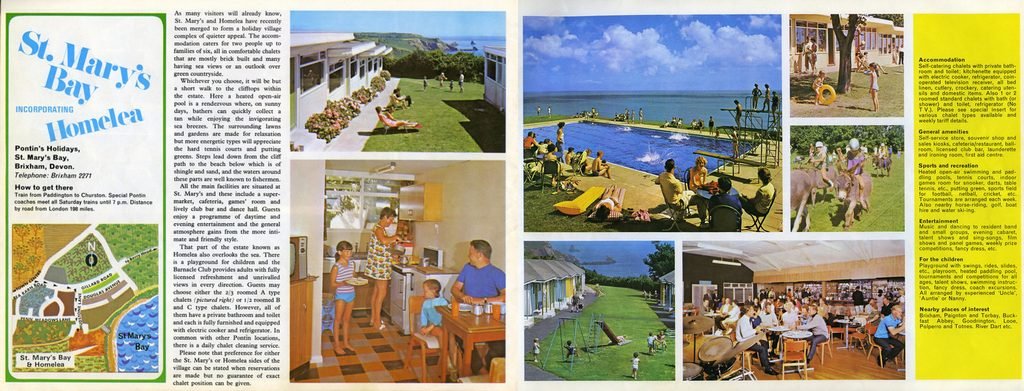
By the early 1960s Britain’s holiday camp industry was booming, and few were expanding faster than Fred Pontin. In June 1961 he arrived in Brixham with a surprise takeover bid for the three camps owned by the Dolphin company.
His opening offer – one Pontins share for every Dolphin share – was turned down, but a revised proposal later that year of four Pontins shares for every three Dolphin shares was accepted. The deal, worth around £600,000 (equivalent to roughly £17 million today), added Dolphin, Homelea and St Mary’s Bay to his growing Pontins empire.
Not content to stop there, the following year Pontin also acquired two more Brixham camps, Wall Park and Bay View, cementing his presence on the South Devon coast.
Pontins soon set to work improving and modernising all three camps, but ran into all kinds of planning problems at Dolphin and Homelea following objections from local residents. First, the company wanted to merge the two sites to form one huge camp. It then applied to build two-storey chalets at Homelea, but both proposals were rejected.
Instead, Homelea was developed as an independent self-catering camp with single-storey chalets, each with its own kitchen and bathroom. Facilities at Homelea were sparse – little more than a clubhouse and children’s playground – so guests were free to use the amenities at St Mary’s Bay next door.
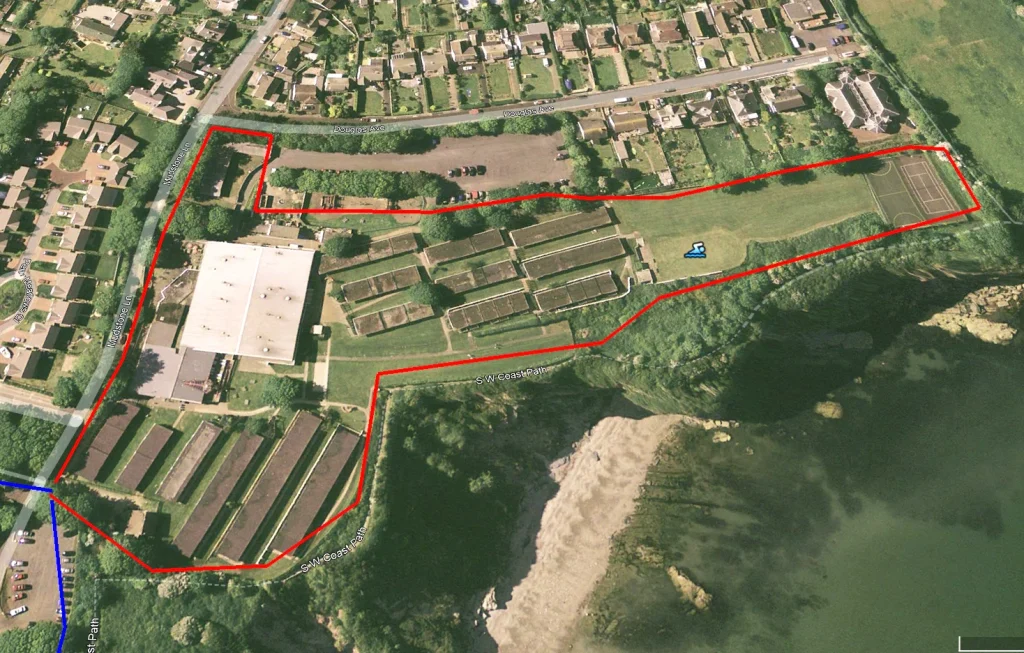
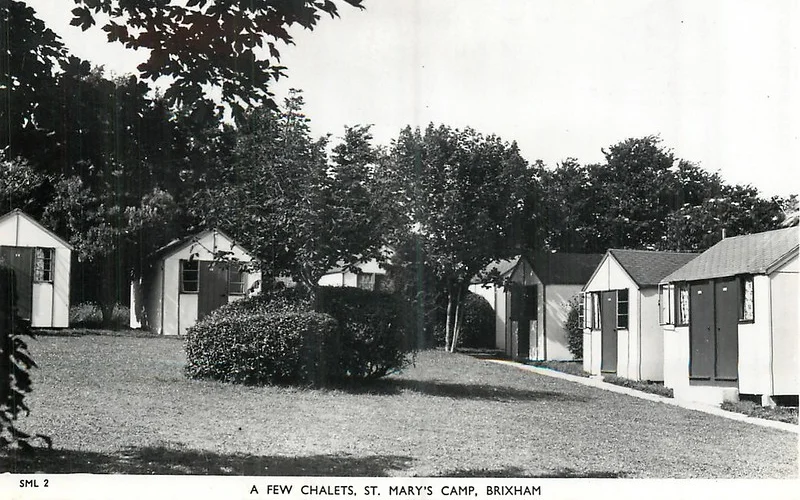
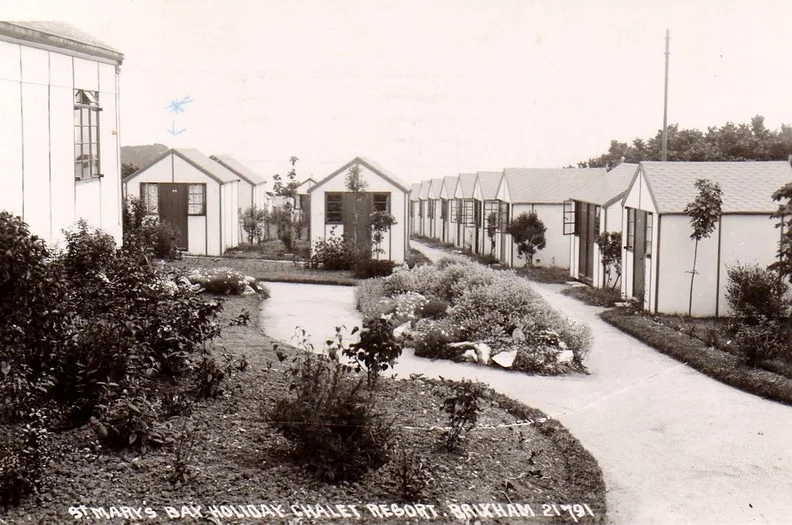
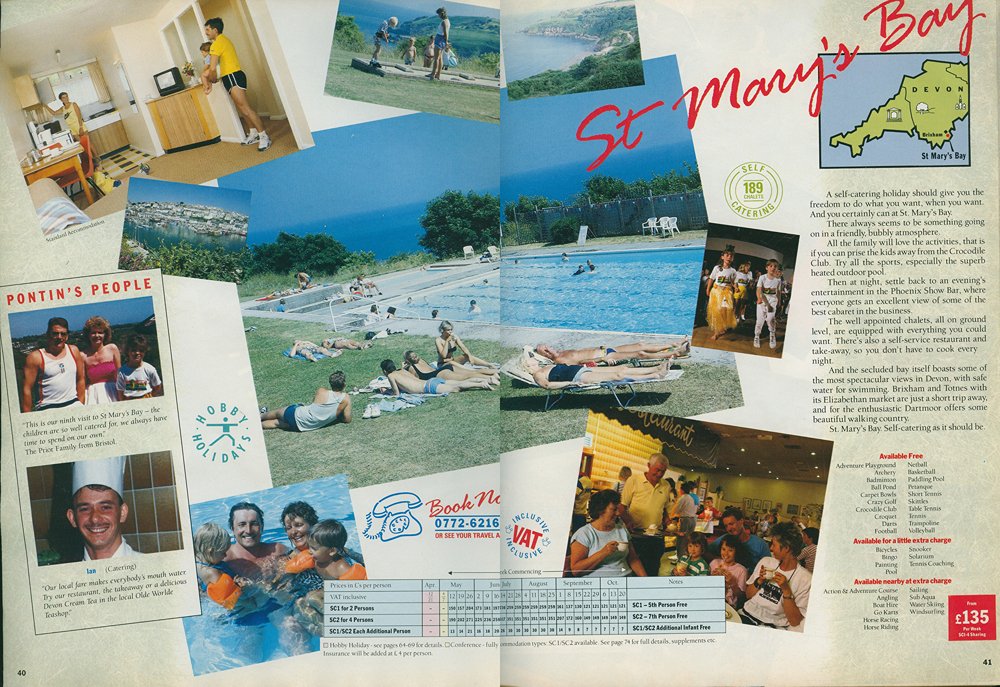
No such problems occurred at St Mary’s Bay itself, and it soon underwent a complete transformation. During the late 1960s the camp was converted to self-catering, and the little wooden huts were replaced by 189 new brick chalets built in long single-storey blocks. Each had its own kitchen, lounge and private bathroom. All the chalets were equipped with electricity meters, and during the 1970s the televisions were also fitted with meters.
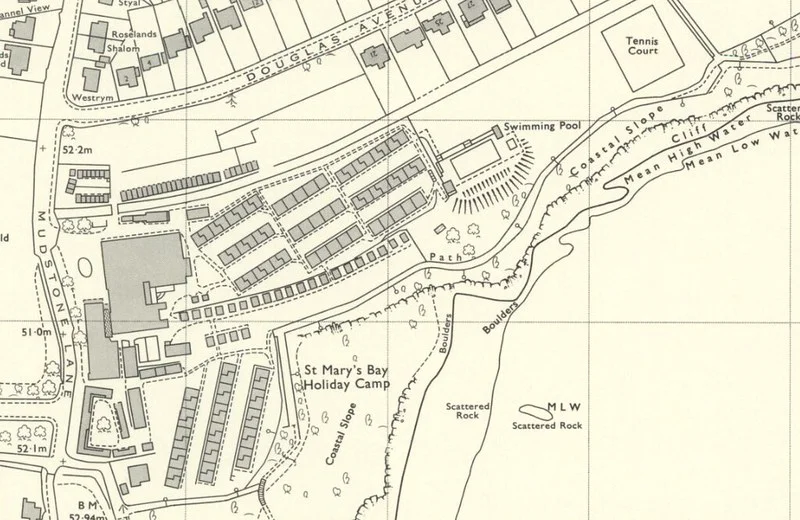
In 1971 Homelea was formally merged with St Mary’s Bay, and the Homelea name quietly disappeared. The grounds were divided into two sections: the former Homelea site became known as Top Park, while the original St Mary’s Bay was dubbed Bottom Park. Guests could still choose which part of the site to book, giving the merged camp a dual identity that lingered for years.
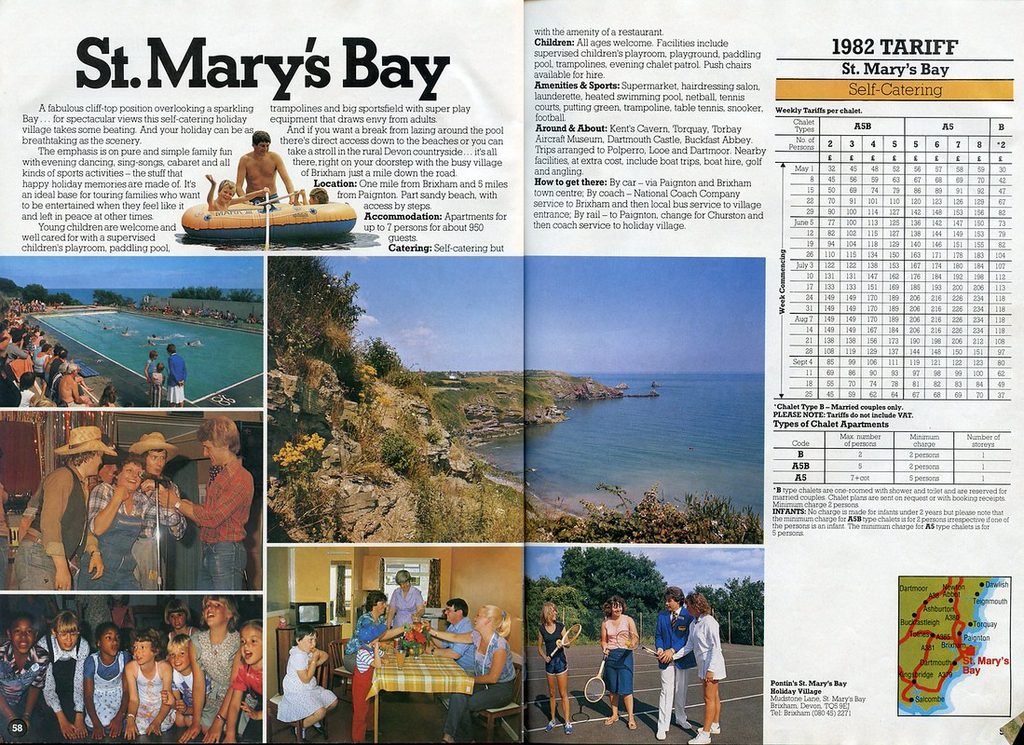
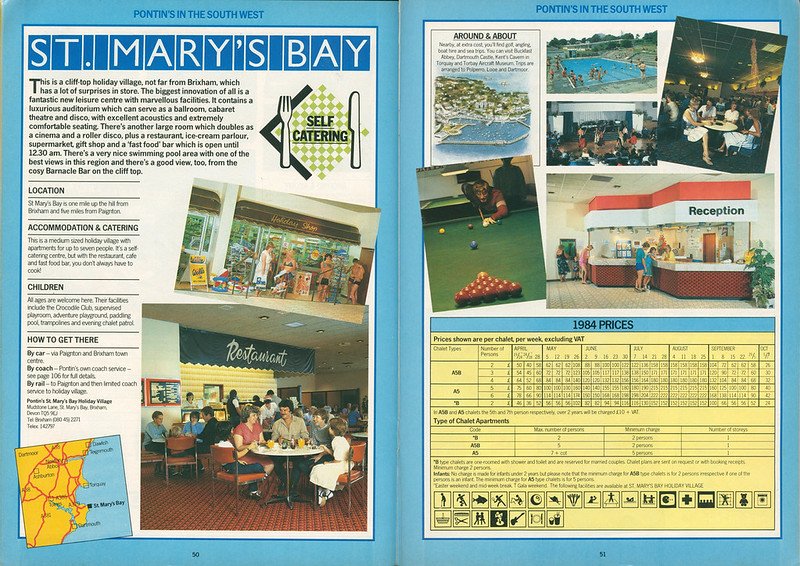
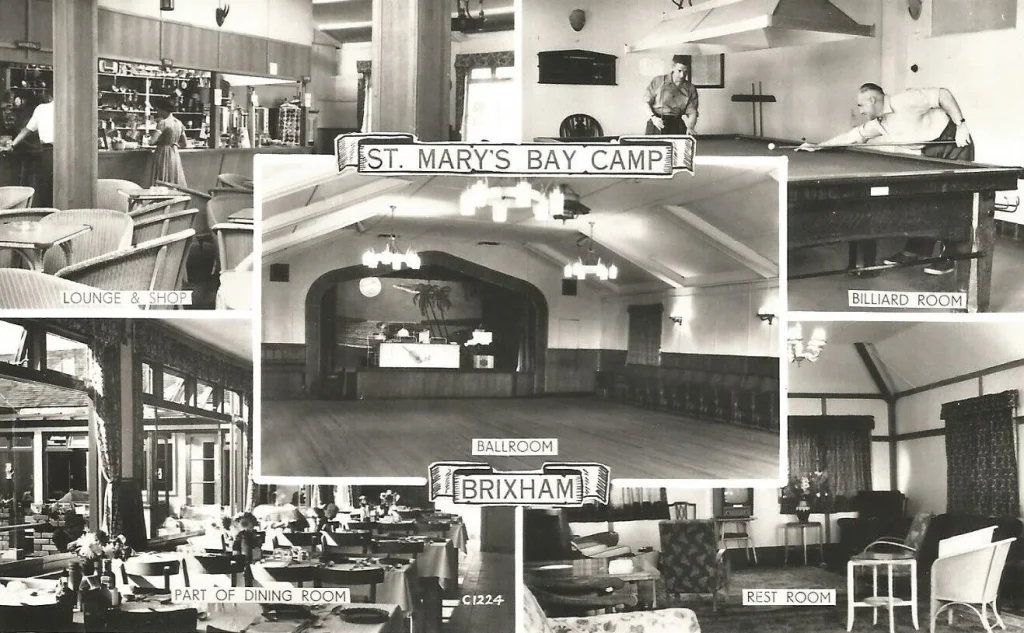
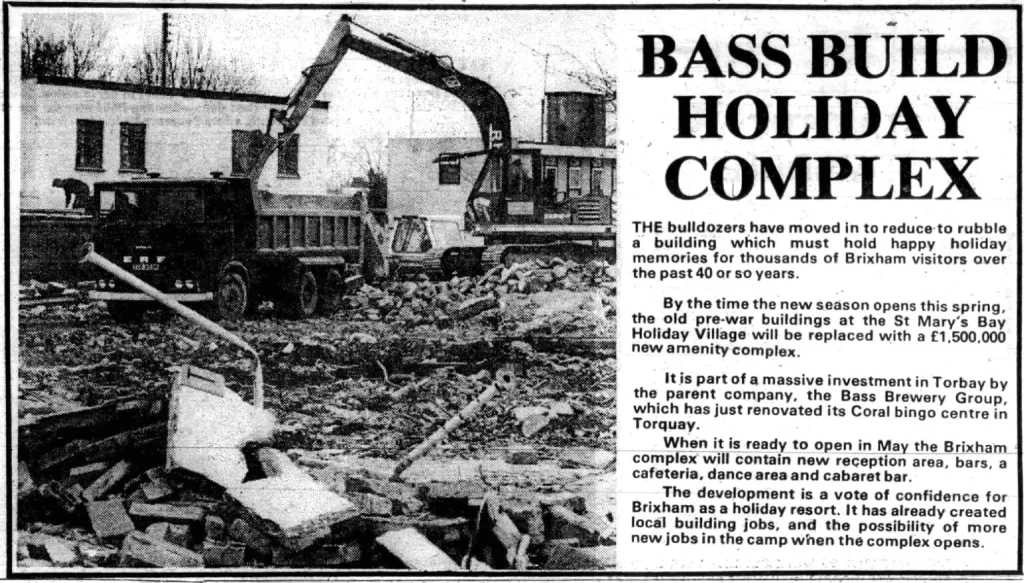
In 1982, plans were unveiled to demolish the old entertainment building at St Mary’s Bay, which had stood since 1938. In its place, a brand-new £1.5 million complex was constructed and officially opened in June 1983 by Derek Palmar, chairman of Bass Holidays, which then owned Pontins.
The modern facility included a bar, restaurant and 900-seat cabaret room, along with a roller disco that also served as a children’s video theatre. There was also a self-service restaurant, supermarket, amusement arcade, ice-cream parlour and takeaway. Around the same time, many of the site’s chalets were refurbished.
In 1987, one guest staying at St Mary’s Bay woke in the morning to discover that thieves had stolen all four wheels from his car – along with the steering wheel. Management told him he could remain at the camp free of charge until he had “sorted out the problem of getting home.”
St Mary’s Bay is sold
In 1991, a major fire destroyed the nearby Dolphin holiday camp, but St Mary’s Bay remained unaffected and life continued much as before.
In March 1995, Pontins announced the sale of four of its parks – including St Mary’s Bay – to a new venture called Manor Parcs, advertised as “Britain’s brightest new holiday company.” On the surface, it appeared to mark a fresh start, although Manor Parcs was controlled by a number of people already closely associated with Pontins.
Within three years, Manor Parcs had disposed of all four parks, three of them being sold for housing. St Mary’s Bay escaped that fate only because planning authorities ruled out residential development, forcing its owners to look elsewhere.
In 1998, the camp was sold to Weststar Holidays, which injected new life into the site. A new indoor swimming pool was completed in 2000, and the old outdoor pool was later filled in.
Just a year later, in 2001, St Mary’s Bay was bought by the Hardick family, who also owned nearby Landscove Holiday Park. A few years later they rebranded it as Riviera Bay, but their ownership was relatively short-lived.
Around 2007, the site changed hands again, this time passing to Park Holidays, one of Britain’s fastest-growing holiday park groups.
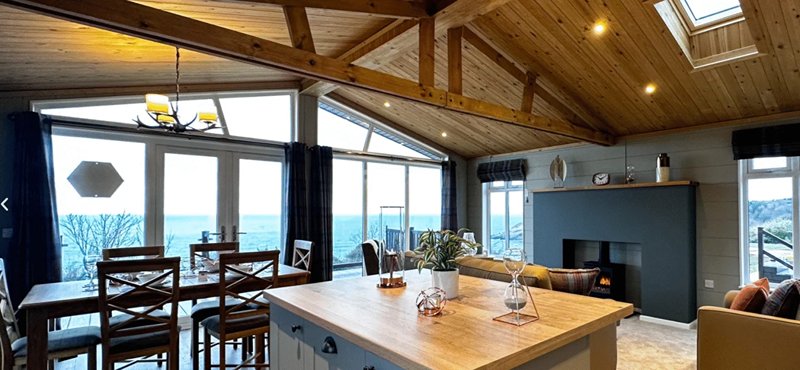
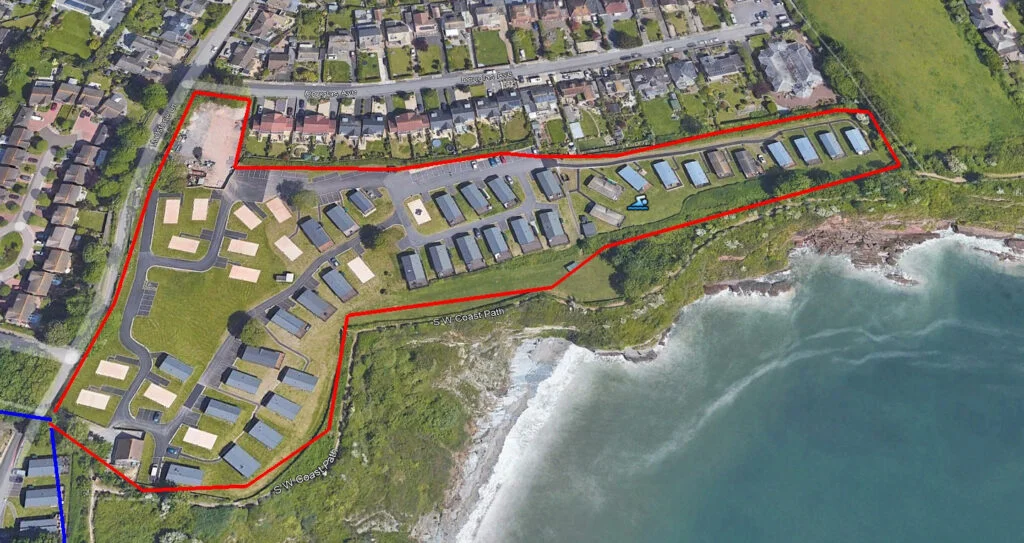
The old Homelea section closed in 2016, and the 1960s Pontins chalets were demolished soon afterwards. In their place came 30 luxury lodges, marking the beginning of a new era.
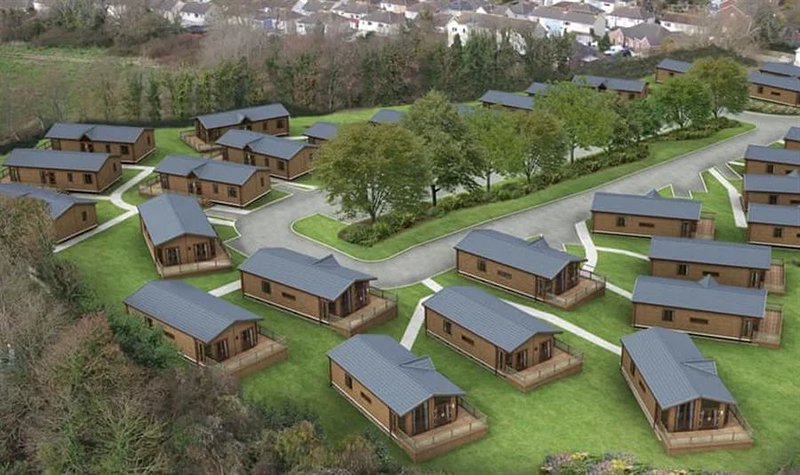
In 2019 it was time for the main St Mary’s Bay camp to be redeveloped – in fact, the entire camp was completely demolished. Over the next five years, new luxury holiday lodges were built and the park was transformed into an upmarket holiday estate, though notably without any shared facilities. All lodges were offered for sale, with prices starting at £190,000 and annual site rents in excess of £8,000.
In 2024 Riviera Bay was sold back to the Hardick family, now in its second generation. Plans were recently announced to build a new swimming pool along with a fitness centre and bar/cafe. The site is now known as Riviera Bay Coastal Retreat.