In 1964, Butlins, in collaboration with ABC Cinemas, announced an ambitious plan to develop a major holiday and leisure complex in Blackpool, dubbed Ventureland. The proposed site was the old airfield adjacent to Stanley Park, and the plans included a large Butlins holiday camp, an ABC drive-in cinema with space for 1,000 cars, an exhibition hall, and a range of additional attractions. Despite the initial excitement, the scheme was ultimately abandoned, and Blackpool Zoo was later constructed on part of the site.
The following year, Butlins turned their attention to Southport, proposing a 100-acre holiday camp with 2,000 chalets at Ainsdale, just north of Shore Road. The proposal met strong opposition from the Residents Association, leading to a heated debate in July 1965. The council ultimately rejected the plan, though they offered Butlins an alternative location at Marshside. After personally inspecting the site, Bobby Butlin declined the offer, effectively ending the company’s plans in the area.
Less than a month later, Pontins stepped in with a proposal for a smaller 30-acre camp with 700 chalets just south of Shore Road. Pontins emphasized that it would not be a traditional holiday camp but rather a “chalet village.” Opposition remained, with the local Tory candidate stating, “I am against a holiday camp north, west, south, or east of Shore Road.” A public inquiry was held in January 1967, during which the town council supported the plan, while the Residents Association presented a petition of 3,000 signatures opposing it. In June 1967, the Minister of Housing approved the proposal and granted a long lease.
Construction began in May 1968, with Southport Mayor Alderman Mitchell cutting the first sod. The project, built by Hemmings & Kent, a construction company owned by Pontins protégé Trevor Hemmings, was completed in just nine months using 400 workers. The chalets were arranged in 68 two-storey blocks and built entirely in brick, with no precast or prefabricated components.
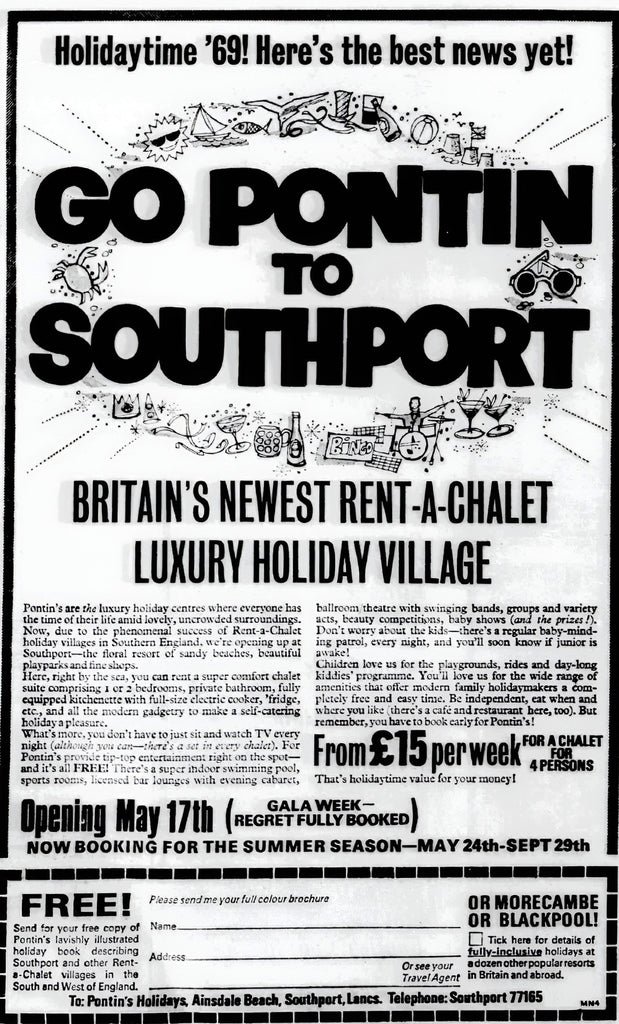
It was one of the new style of self-catering ‘rent-a-chalet’ camps that had been pioneered by Pontins at Brean Sands. It consisted of hundreds of flats housing thousands of people. These huge camps lacked the charm and character of the smaller sites, and most ended up looking more like council estates. But from a business perspective they were hugely profitable. Pontins announced that 25,000 people had already booked at Southport before the camp had even opened.
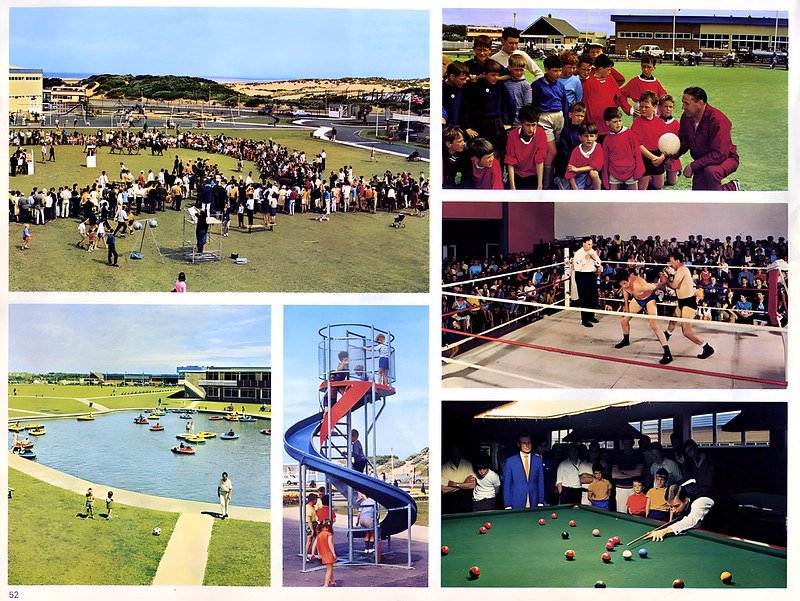
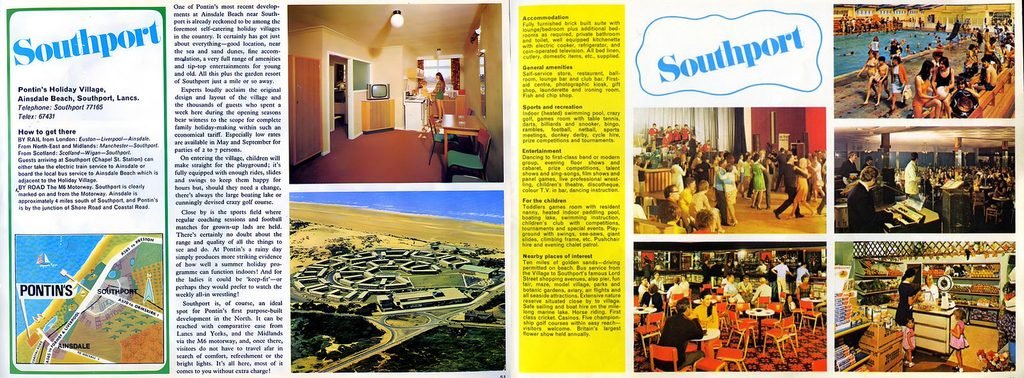
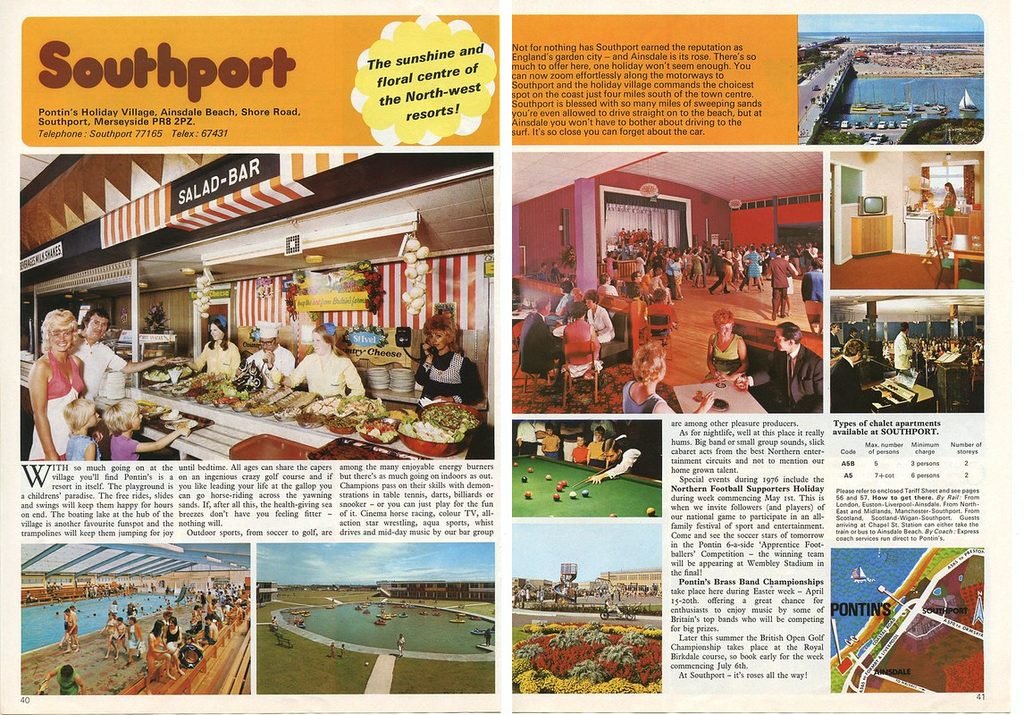
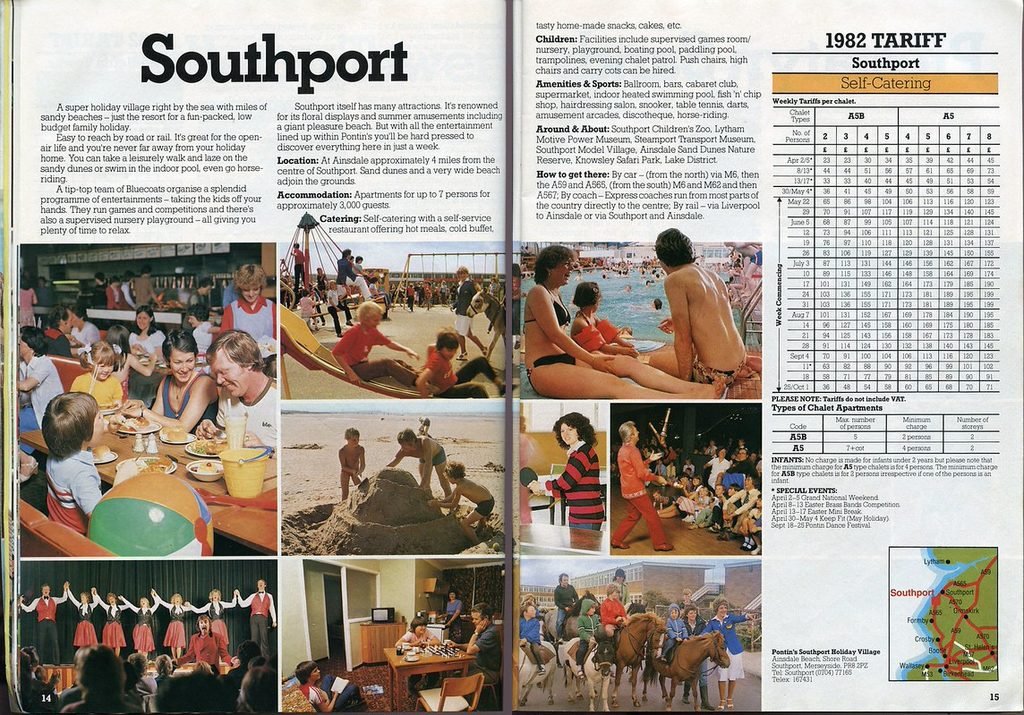
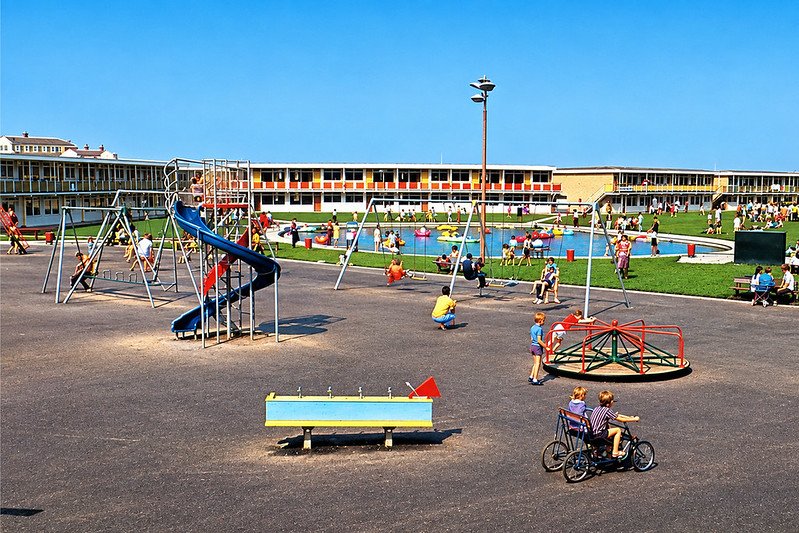
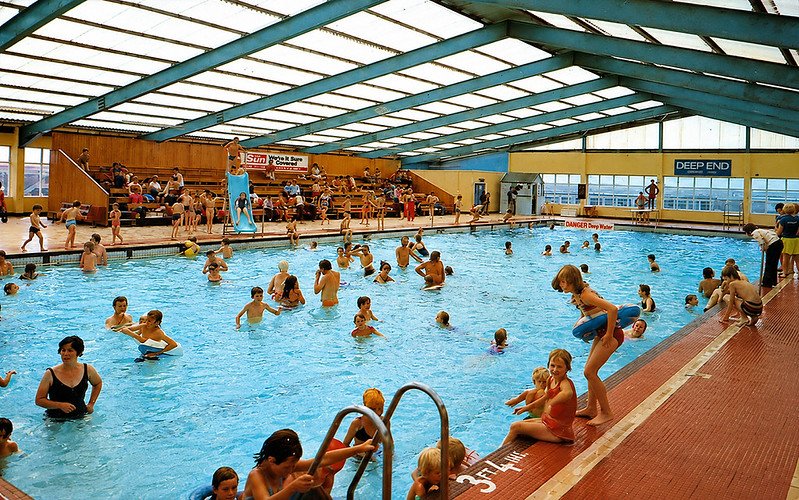
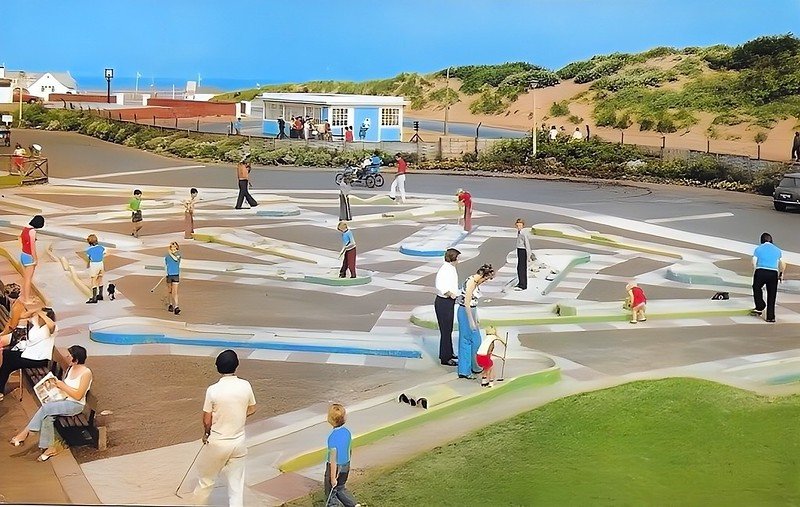
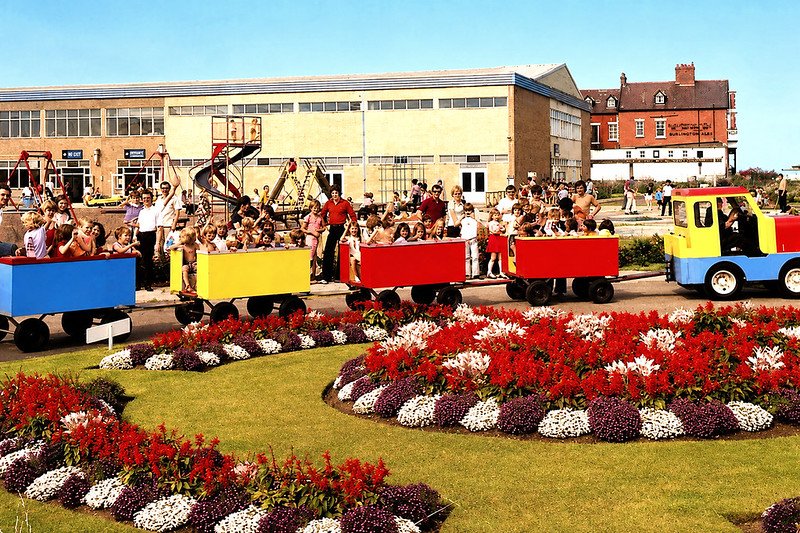
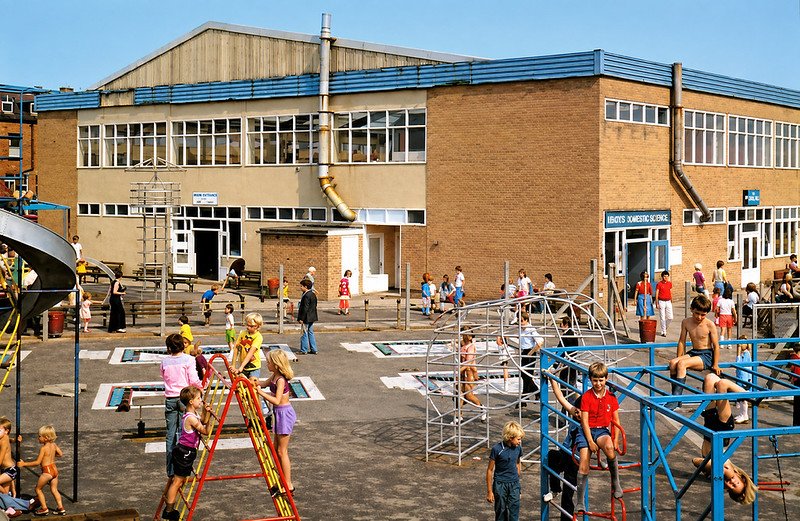
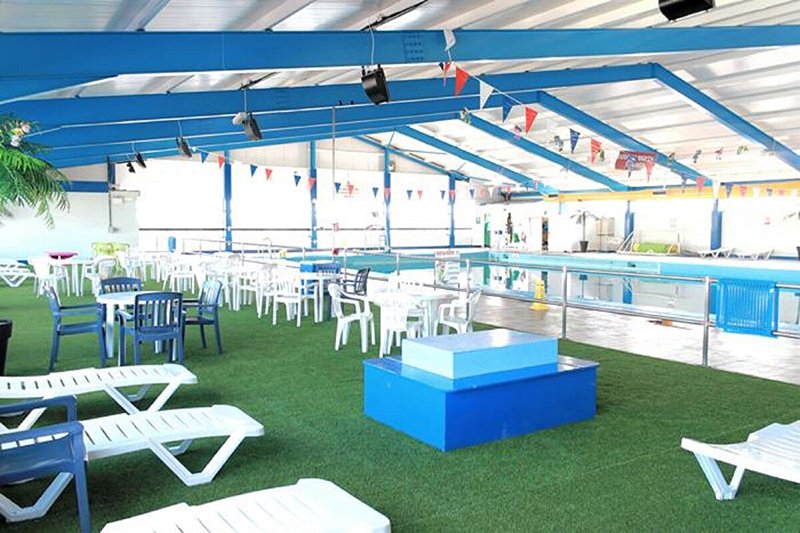
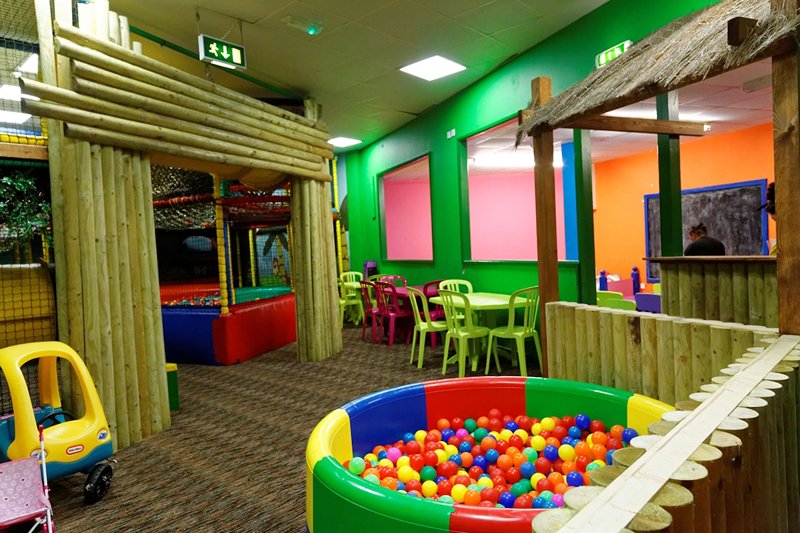
The camp offered a range of facilities, including a large indoor swimming pool, a boating lake, a playground, a children’s nursery, and a massive entertainment building with a ballroom and several bars. It also featured a games room, launderette, hair salon, and a first-aid station staffed by a registered nurse. Fred Pontin acquired a bungalow nearby on Chatsworth Road.
Pontins Southport opened in May 1969 and was an immediate success. Olympic swimmer Neil Jackson christened the new indoor pool by taking the first plunge.
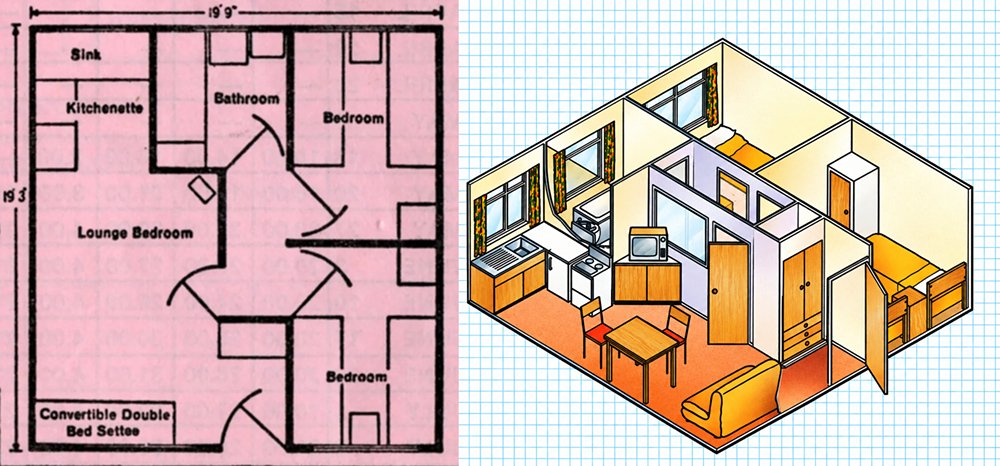
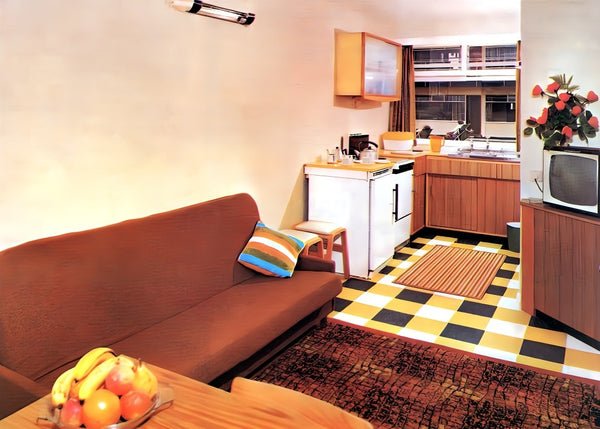
The majority of the 781 chalets followed Pontins’ standard A5 design, a 20ft by 20ft (6m x 6m) layout that could sleep up to six people. Each included a kitchen, lounge, bathroom, and two bedrooms each with two beds, while a sofa bed in the lounge provided two more sleeping spaces. A smaller number of one-bedroom chalets were available for four guests. Electricity was supplied by inserting 5p coins into meters, televisions were also coin-operated, and the showers required you to repeatedly press a button to keep the water flowing.

In 1973, Pontin submitted plans to expand the camp by an additional 15 acres, but the proposal was rejected. He tried again in December 1977, sweetening the deal by offering to build a new motel and conference center in Southport overlooking Marine Lake. However, just three weeks later, Pontins’ shares were suspended after Coral Leisure launched a takeover bid. The Southport expansion plans were quickly abandoned, and Pontin was ultimately forced out of office.
Trevor Hemmings, whose construction company had originally built the camp, became involved in the takeover bid for Pontins and replaced Fred Pontin as managing director.
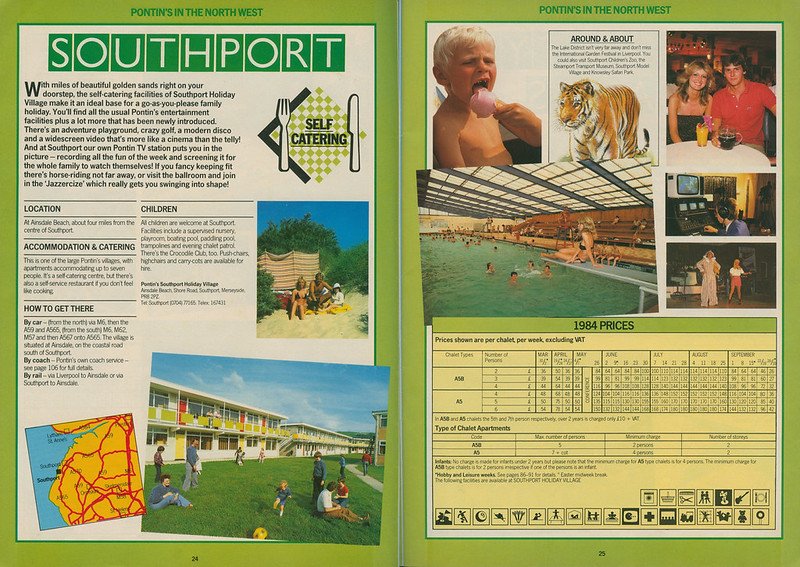
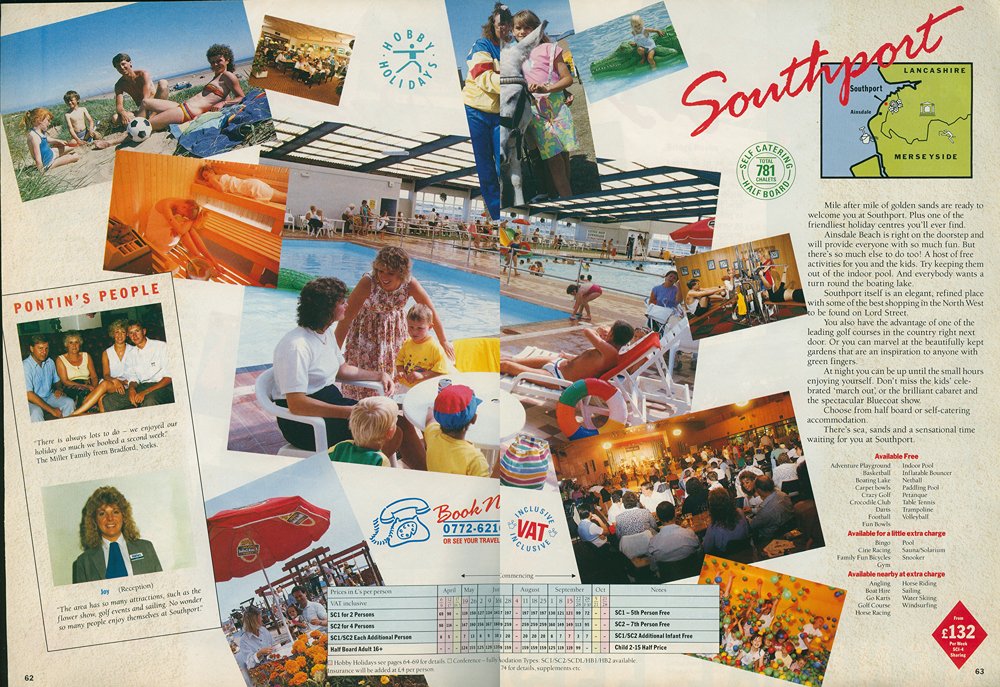

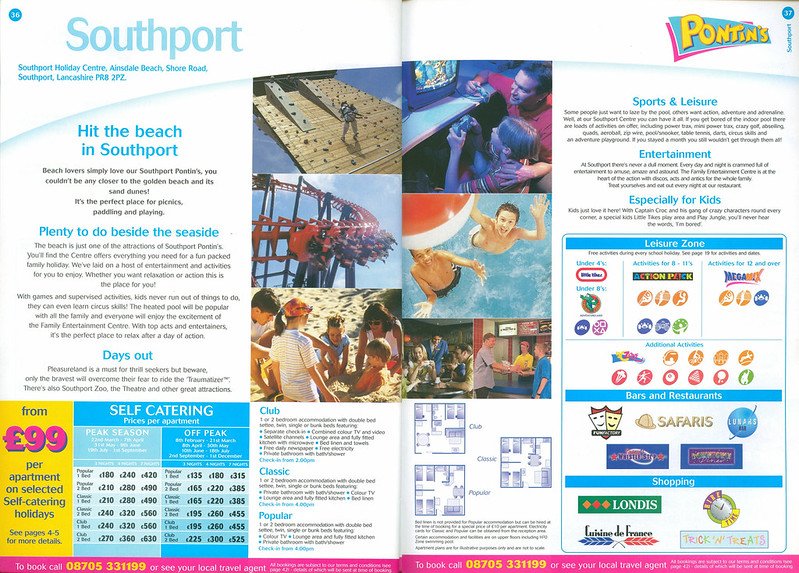
From the 1980s onwards, Butlins and Pontins followed very different paths. Butlins treated its resorts as long-term assets worth improving. Considerable sums were invested in replacing outdated accommodation and adding new buildings and facilities, with the aim of extending their useful life well into the future. As standards improved, prices could be raised.
Pontins, on the other hand, was now being run by Hemmings who saw their long term future not as holiday camps but as housing estates. For this reason, no large scale rebuilding took place, and maintenance was cut down to a bare minimum. Instead of raising their prices, Pontins lowered them. In effect, Butlins was investing in its camps as businesses with a future; Pontins was more about patching up an ageing estate until individual sites could be sold.
By the mid-1990s, Southport was looking increasingly rundown. Pontins had already disposed of 18 camps, leaving just eight in operation, most of them sites with little realistic prospect of lucrative redevelopment. With those remaining camps now needing to be kept viable for the longer term, the company announced an ambitious £55 million refurbishment programme. The figure sounded impressive, but it had to be spread across all eight remaining resorts.
Southport received around £7 million which saw the main entertainment building extensively refurbished. Most of the chalets received new bathrooms, with some also getting double glazed windows and new flooring and furniture.These newly refreshed chalets were listed as Club apartments and attracted a premium price – they also featured free electricity, satellite TV, a microwave oven, free towels and early check-in. The older chalets were listed as either Classic or Basic and many still featured push button showers and meters for electricity.
In 2008 the five remaining Pontins camps were sold for £46 million to Ocean Parcs, a consortium led by former Pontins executive Graham Parr. Ocean Parcs talked big, unveiling ambitious plans for sweeping changes, a £50 million refurbishment programme and the creation of 2,000 new jobs. In reality, little happened. Standards continued to slip, investment failed to appear, and in 2011 the company collapsed into administration.
Britannia Hotels
Pontins was then sold to Britannia Hotels for £18.5 million, who soon accused the previous owners of “milking it for money” and displaying “tremendous arrogance.”
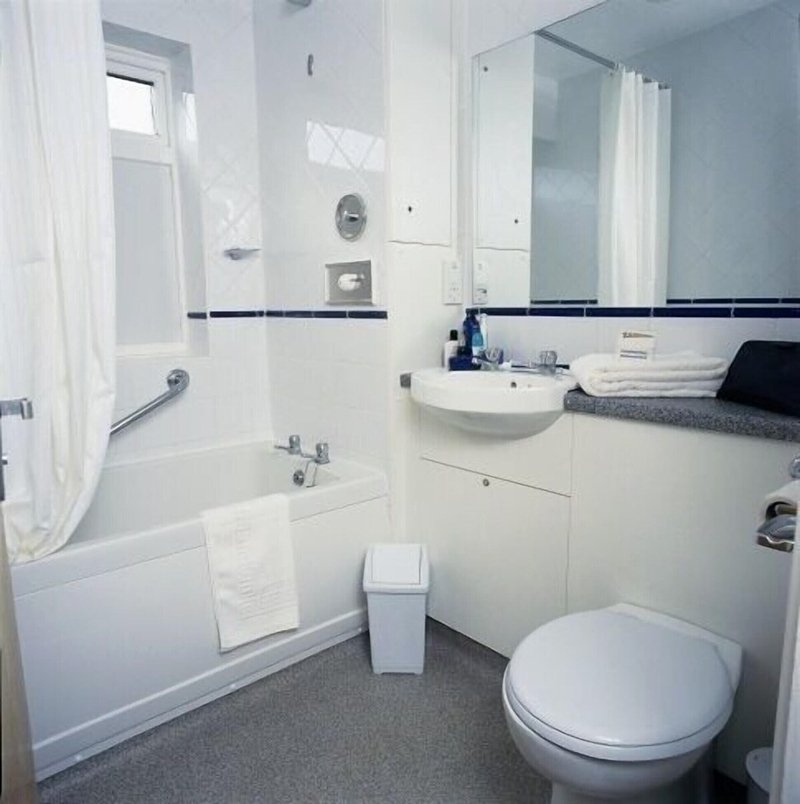
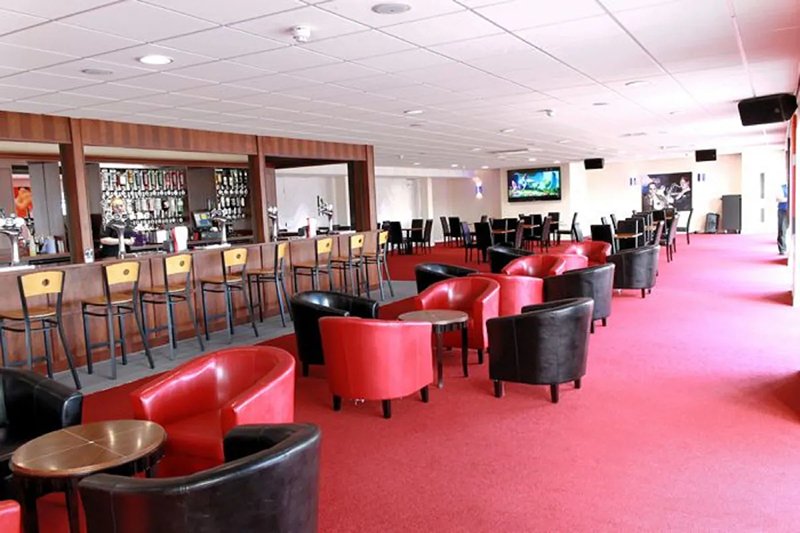
Despite saving 850 jobs and preventing Pontins from sliding into liquidation, Britannia have since been blamed for everything that went wrong. In truth, they inherited a bunch of rundown camps that had suffered years of under investment. Restoring the sites fully would have required an enormous outlay that made little financial sense. To their credit, Britannia did invest several million pounds. Most of the chalets received new furniture, fresh paint, updated windows, and new flooring. The entertainment buildings were refreshed and acres of new carpet was installed. The camps were all looking far better than they had in years, and showing clear signs of investment.
In 2013, Pontins was even awarded the UK Customer Satisfaction Index award for being one of the most improved businesses in the UK
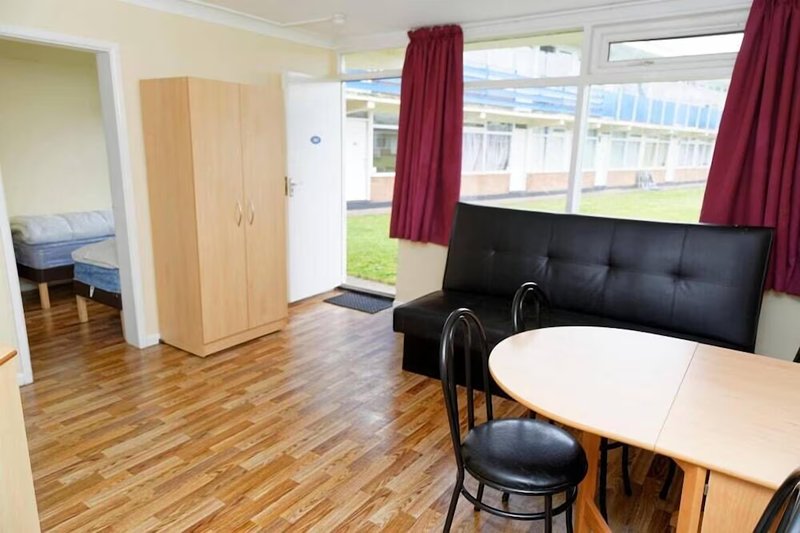
However, they largely continued the long-standing policy of pitching the camps at the budget end of the market. The low prices left little margin for cleaning, maintenance, or future investment, and inevitably attracted a less desirable clientele. In reality, many people only went because it was cheap, not because it was good. Reviews were overwhelmingly negative, and the company faced a steady stream of bad press. After a promising start, Britannia seemed to give up and admit defeat.
Just days after hosting a New Year’s Eve party, it was announced that the camp would be closing in January 2024. This page will be updated as new information comes to light.