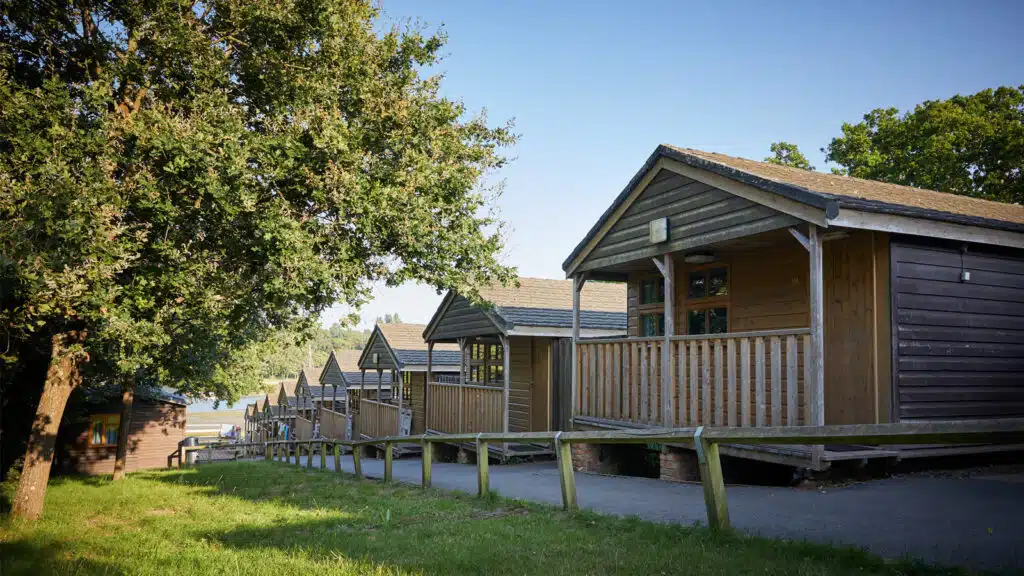
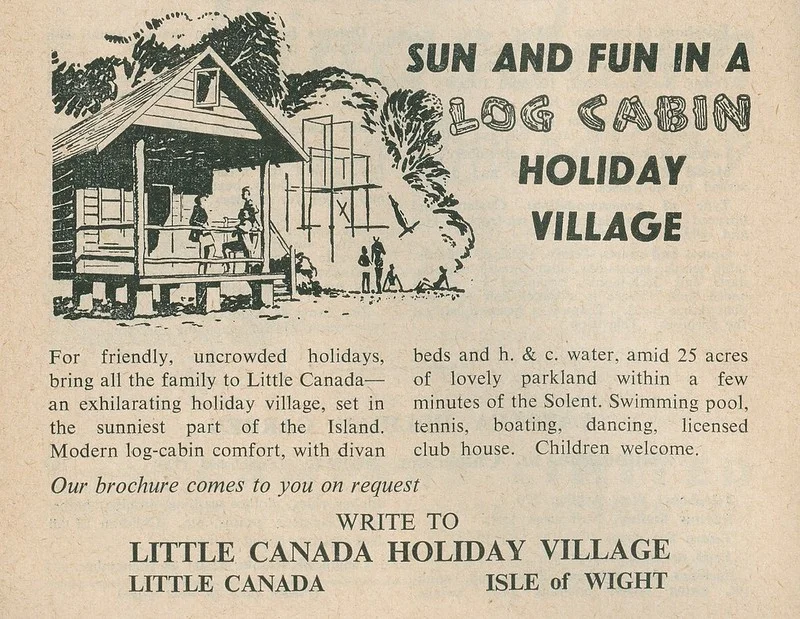
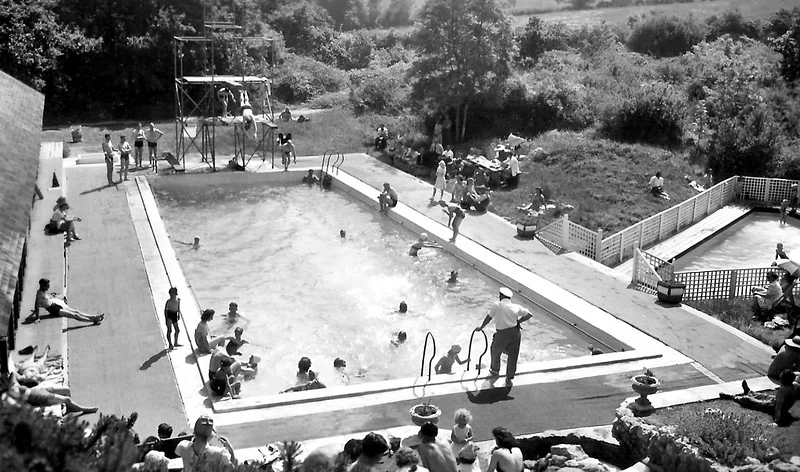
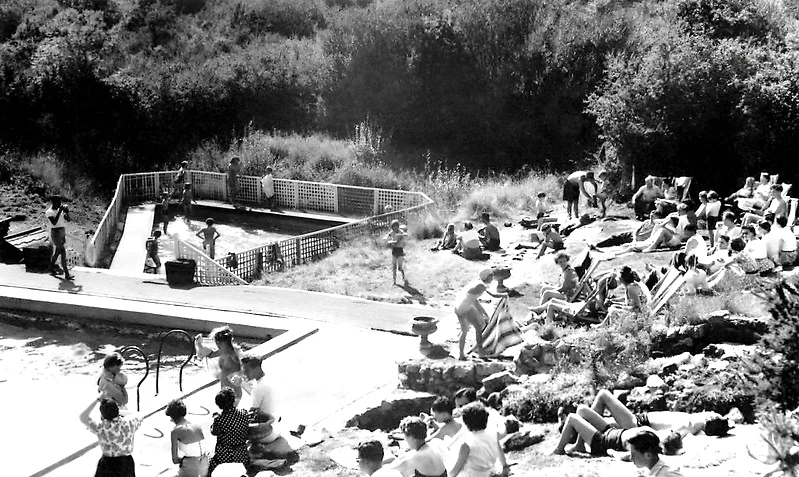
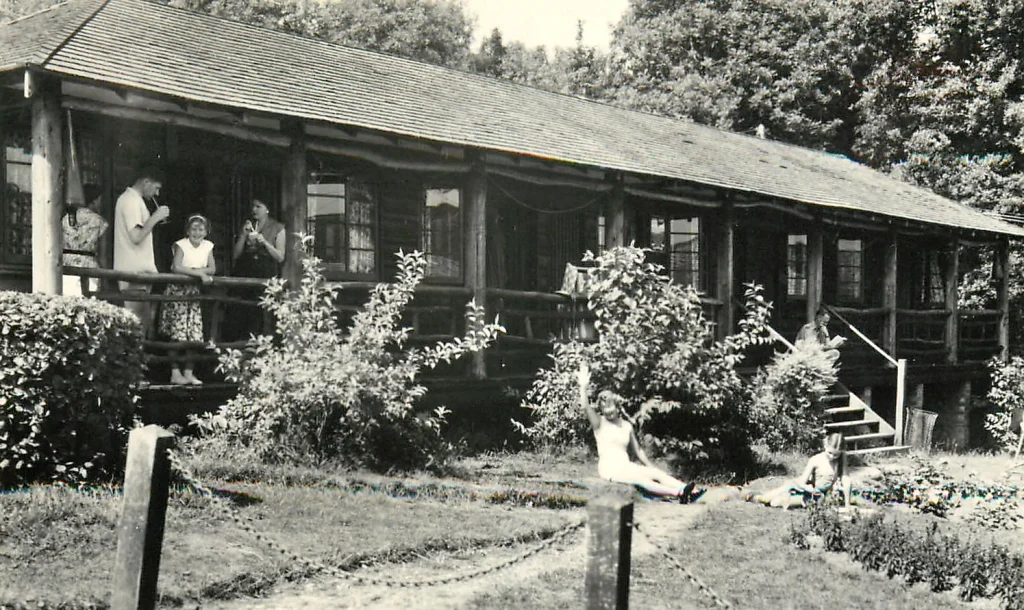
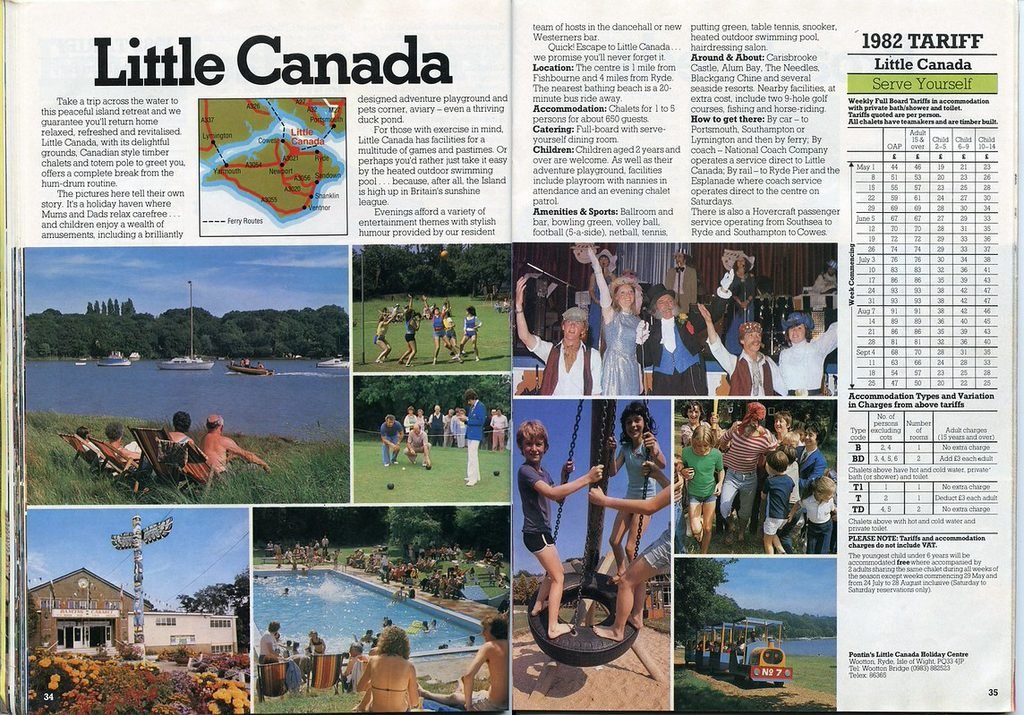
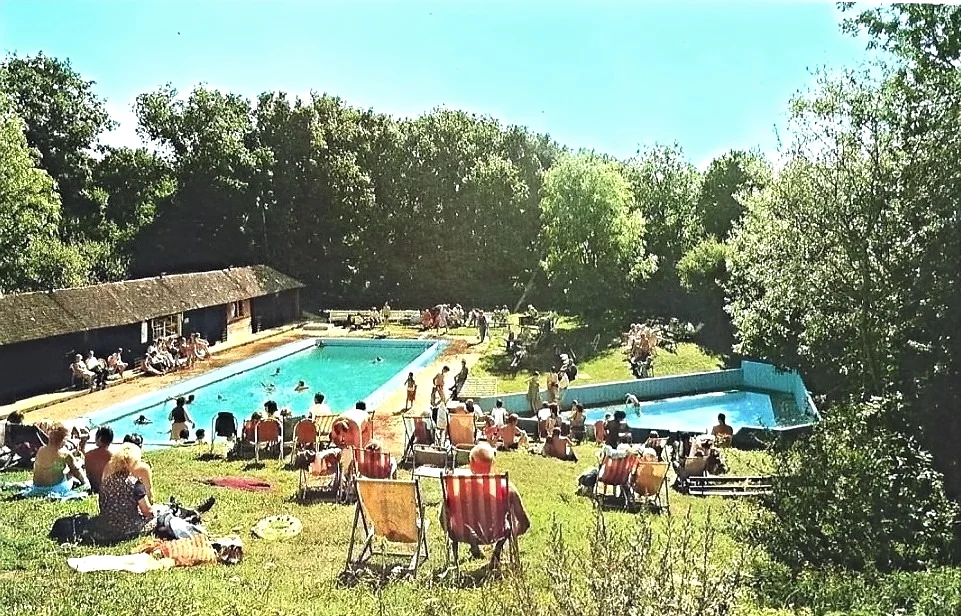
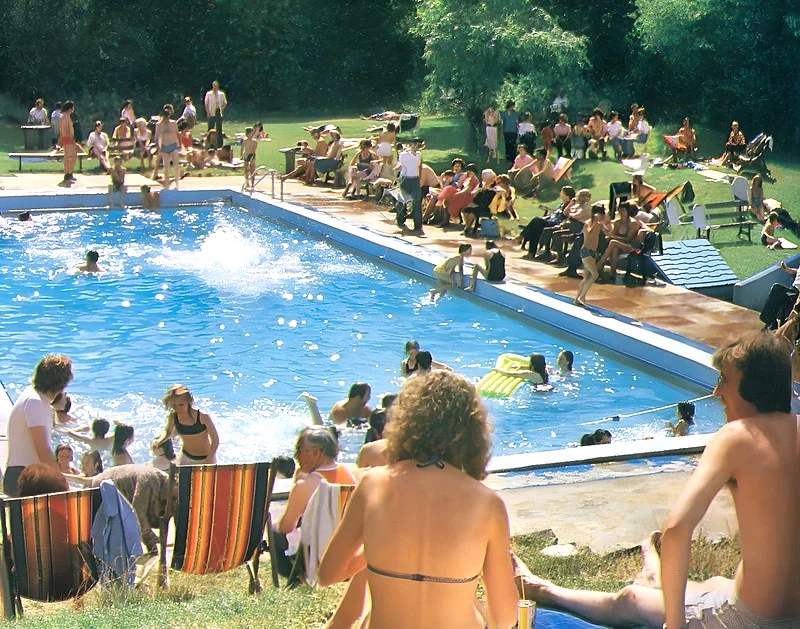
Little Canada first opened on the Isle of Wight in 1930, established by a New Zealander, Captain H. Howarth. Set among the trees near Wootton Creek, the camp consisted of a collection of Canadian-style log cabins, supposedly inspired by the lodges of Jasper National Park in Alberta, Canada. An outdoor swimming pool was added a few years later.
During the Second World War, Little Canada was requisitioned for use as an army base, before reopening to holidaymakers in 1945. By this time it was owned by Wootton Creek Ltd.
In 1949 the camp was purchased by the Polytechnic Touring Association (PTA). The organisation had been founded in 1888 by the Regent Street Polytechnic, now the University of Westminster, to provide affordable travel opportunities for its students. During the 1950s the PTA became Poly Tours and increasingly opened its holidays to the general public. The business was later acquired by Sir Henry Lunn and became Lunn Poly.
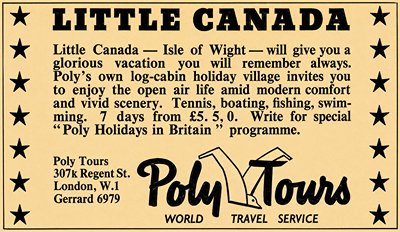
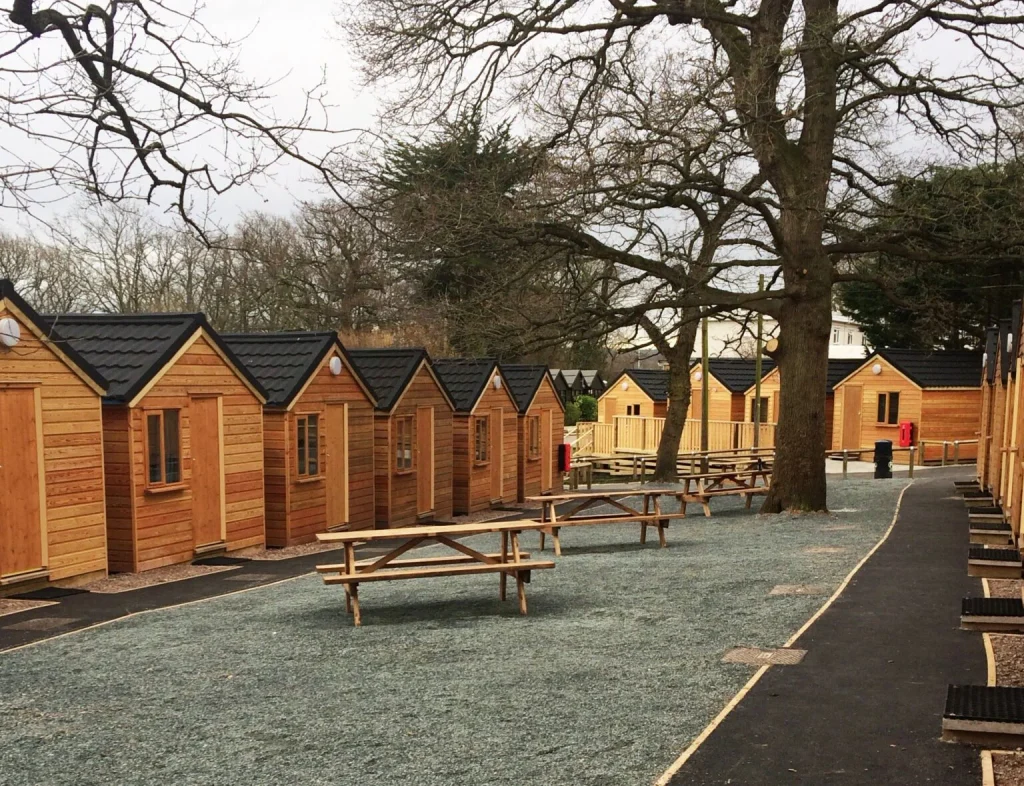
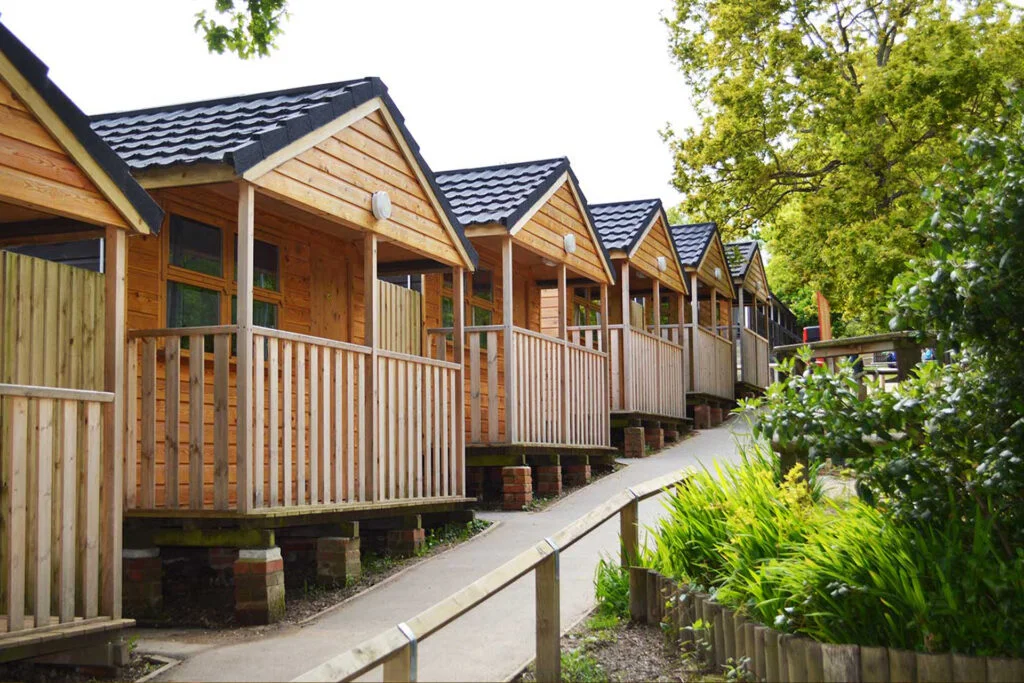
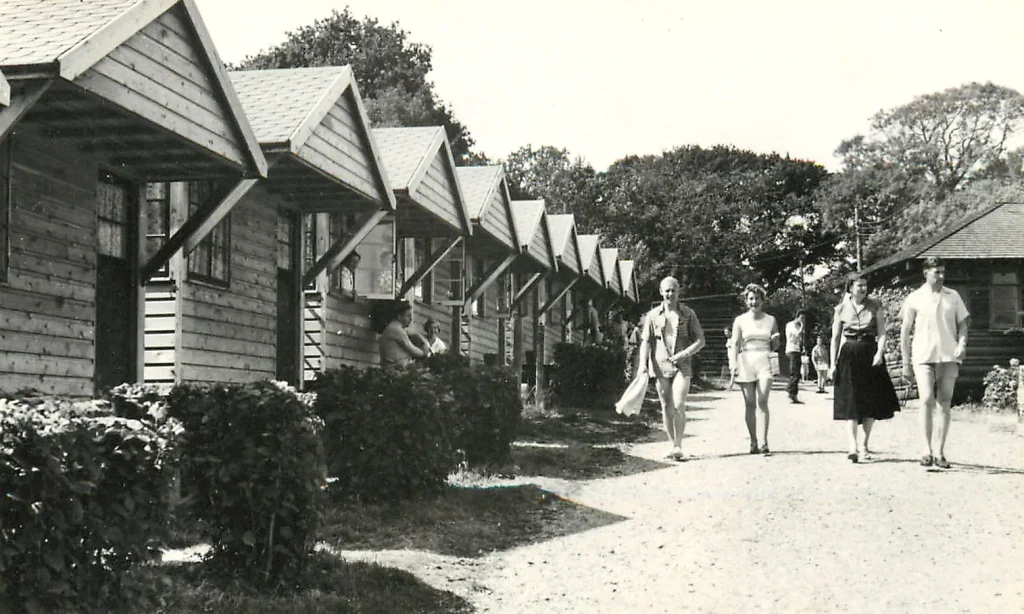
The new owners expanded Little Canada by adding more wooden chalets. Unlike the original Canadian-style cabins, which had been constructed from real logs, these were much more conventional holiday-camp buildings.
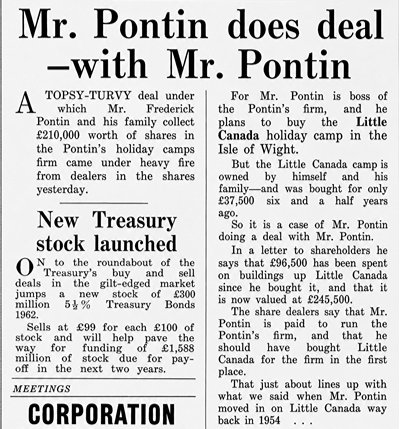
Despite the investment, Poly Tours struggled to make Little Canada pay, and in 1954 the camp was sold to Fred Pontin for £37,500. Although Pontin was managing director of Pontins Ltd, he chose to buy Little Canada personally rather than through the company – a decision that would later prove controversial.
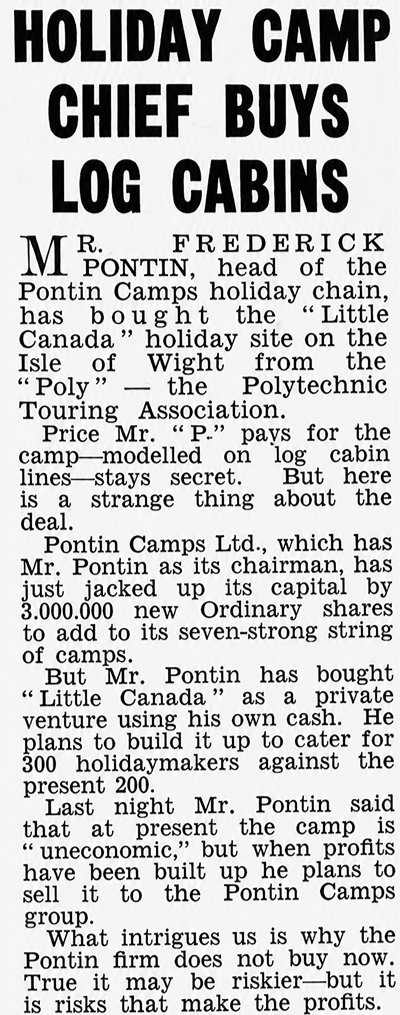
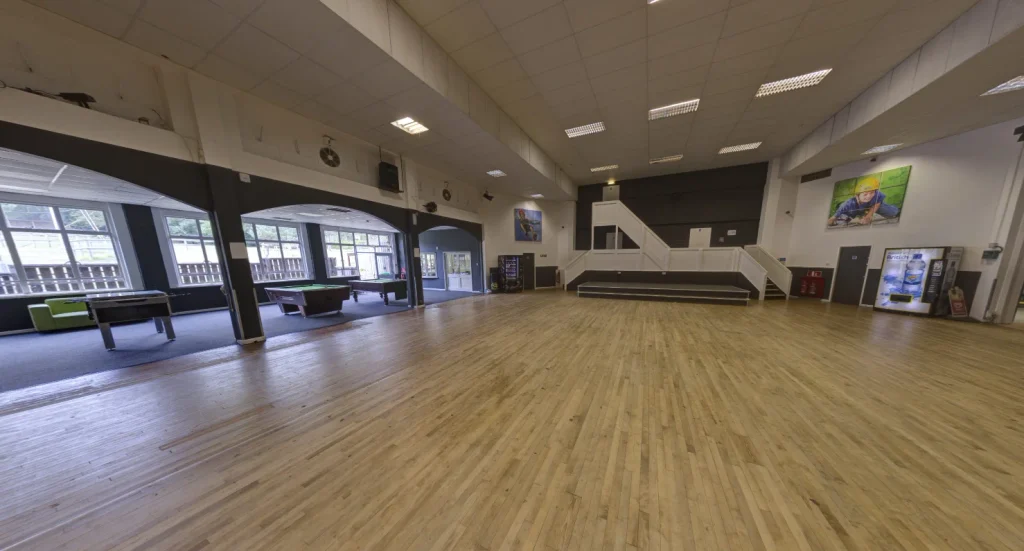
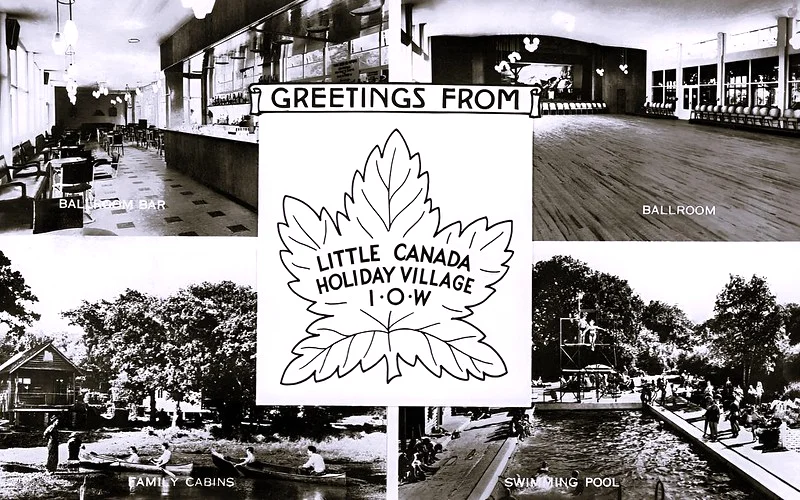
Fred quickly set about transforming the camp. A large new entertainment building was added, incorporating a 5,000-square-foot ballroom and stage, while additional chalets were constructed and the existing accommodation refurbished. He also improved the food and dining service. Before long, Little Canada had been transformed into a successful and profitable holiday camp.
In 1960 Pontin sold Little Canada to Pontins Ltd for £210,000 – more than five times what he had paid for it just six years earlier. It was at this point that questions began to be asked.
Some of the larger Pontins shareholders wanted to know why the company itself had not purchased Little Canada in 1954, thereby benefiting from its dramatic increase in value. Others accused Pontin of conducting business outside the company and personally profiting from an opportunity that arguably should have belonged to Pontins Ltd.
Fred could not understand what all the fuss was about. As far as he was concerned, he had invested his own money, taken the financial risk himself and personally overseen the transformation of a struggling camp into a profitable business. He felt that the criticism was unjustified. Nevertheless, the company’s shareholders made their position perfectly clear: there were to be no more deals of this kind.
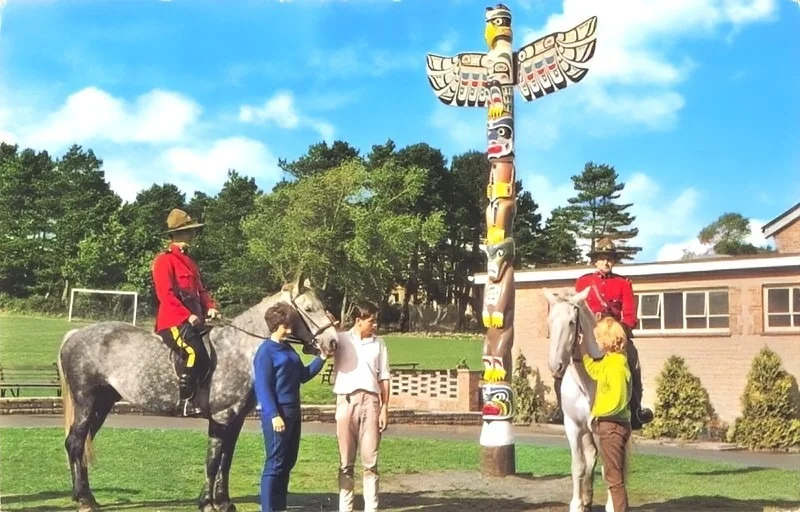
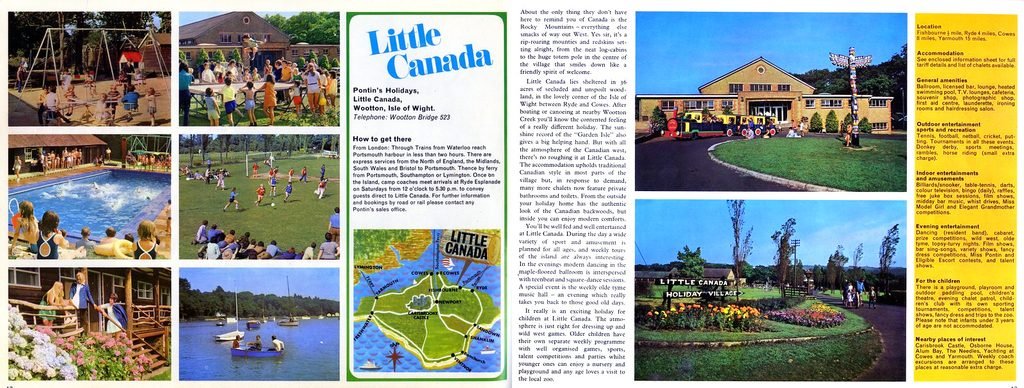
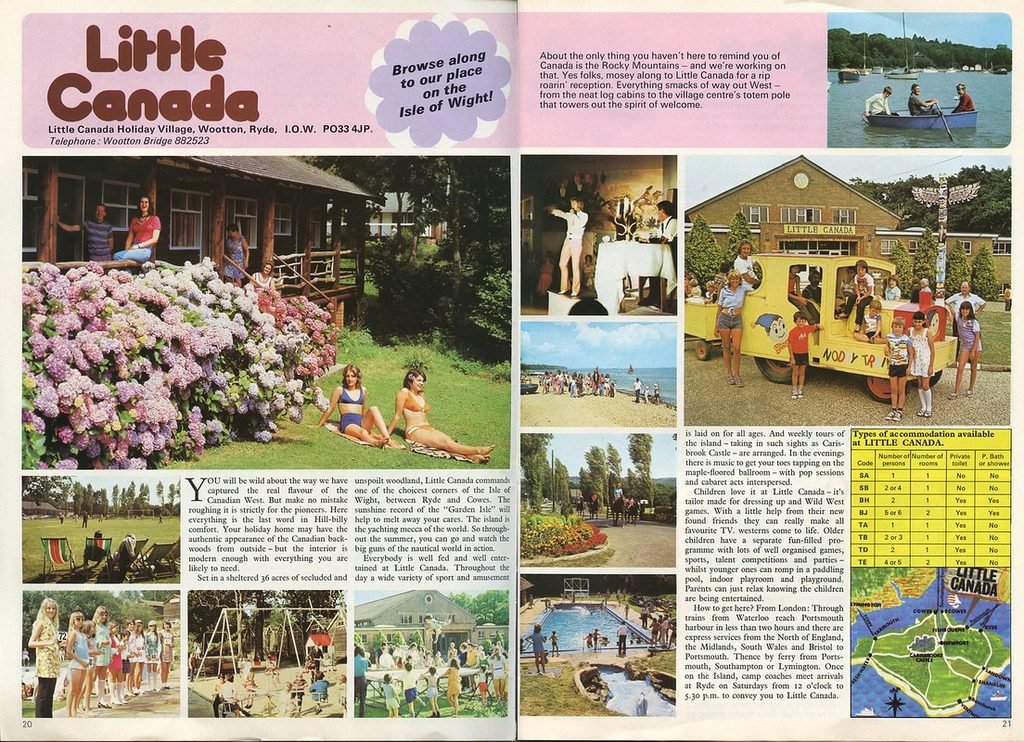
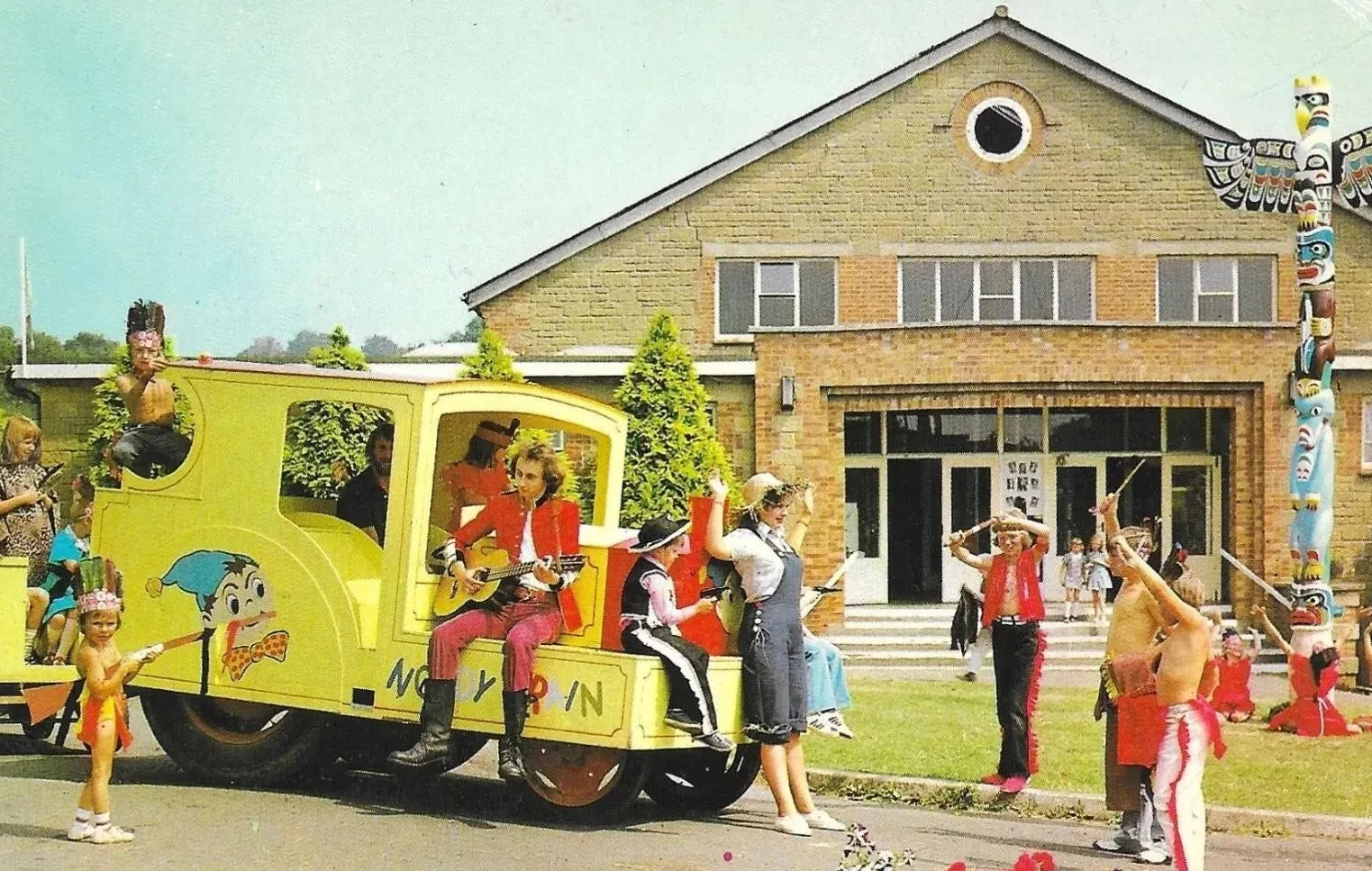
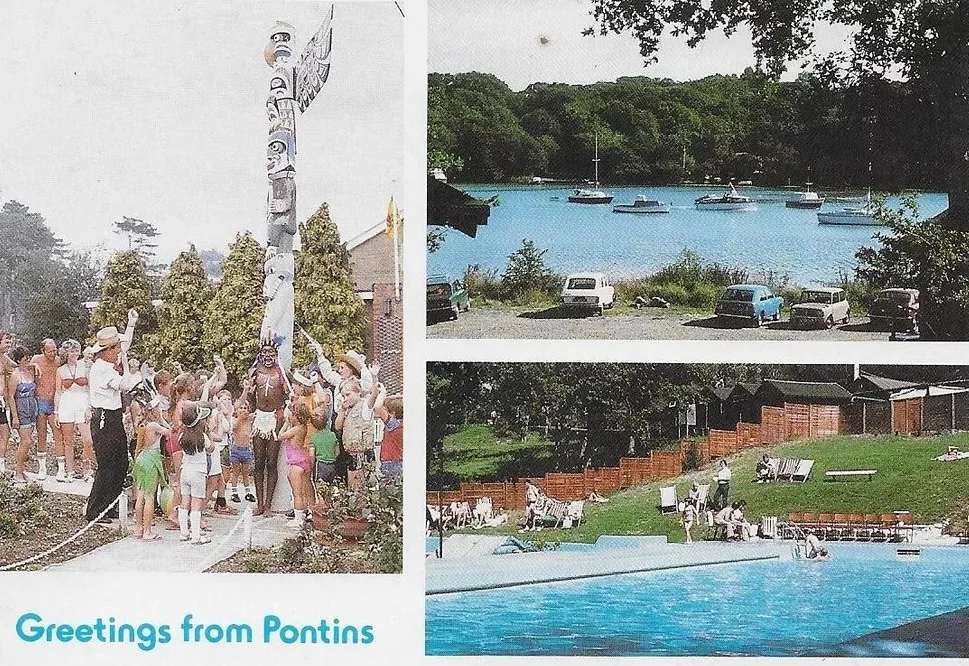
In 1962, a large totem pole appeared in the centre of the roundabout outside Little Canada’s entertainment building. Carved by local woodcarver Jack Whitehead, it was claimed to be the only genuine reproduction of a Canadian totem pole to have been erected in Britain.
Its official unveiling later that year was accompanied by an elaborate Wild West-themed ceremony, very much a product of its time. Contemporary reports described “dozens of war painted Red Indians,” while “Big Chief Sitting Bull” welcomed Buffalo Bill and an escort of red-coated Mounties. After the traditional pipe of peace had been smoked, the totem pole was officially handed over to the camp.
In 1963, Little Canada gained a new neighbour when Warners opened its Woodside Bay Holiday Camp just a short walk down the road. Despite its impressive setting overlooking the Solent, Woodside Bay struggled to establish itself and closed just 18 years later.
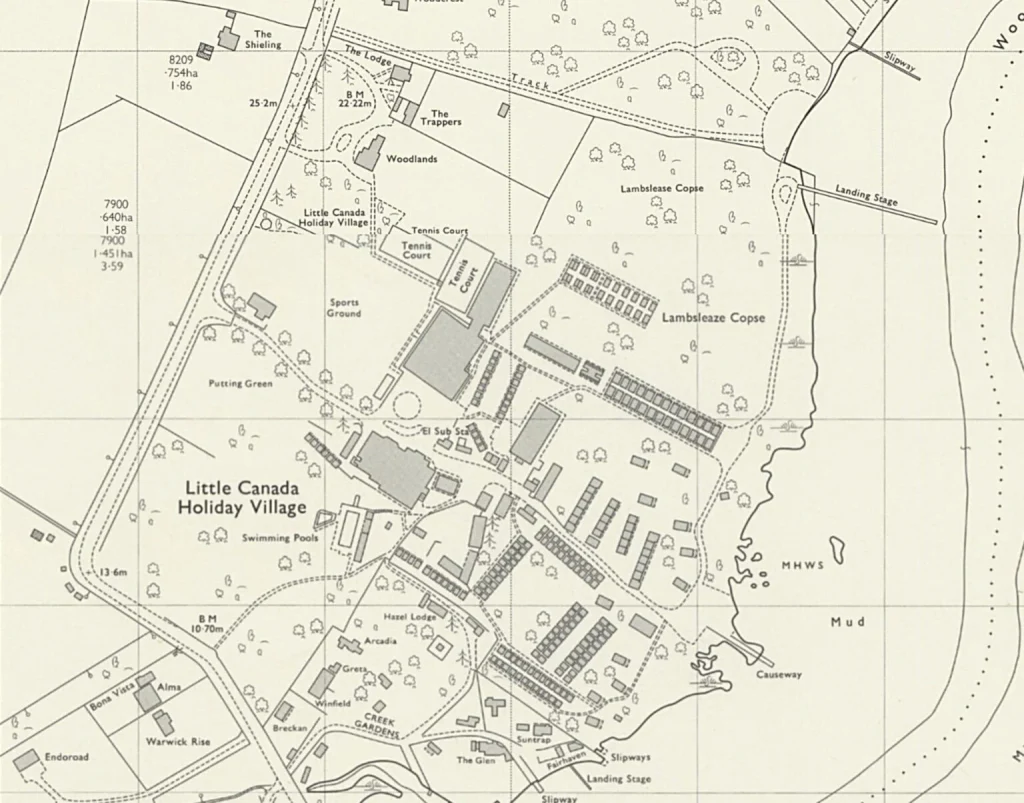
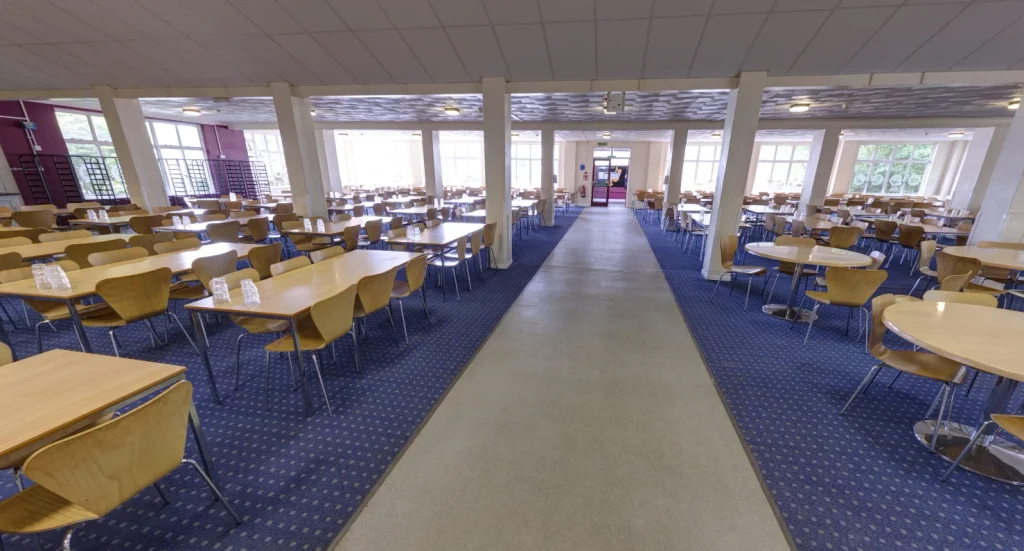
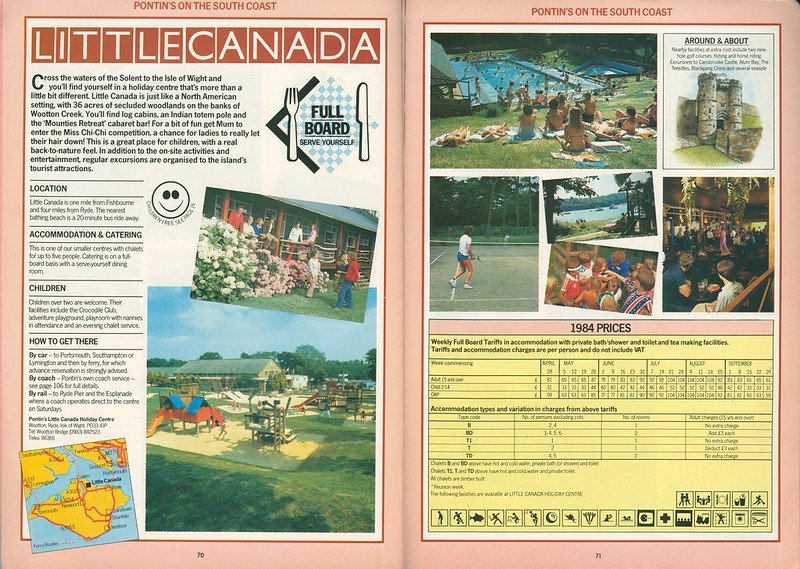
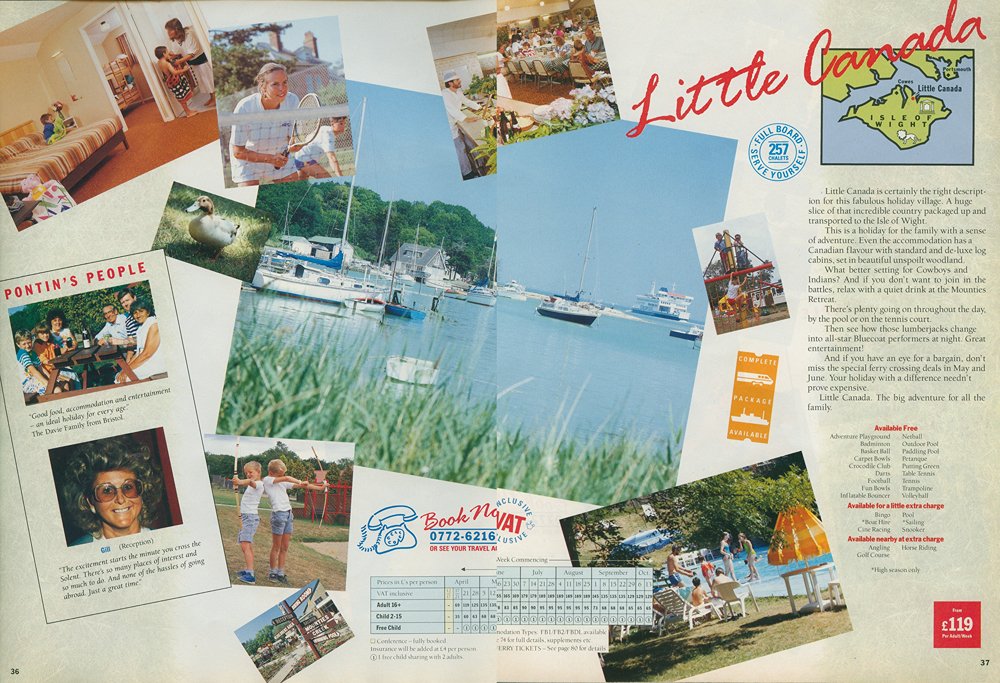
Little Canada always operated as a full-board holiday camp, with three meals a day served in the large communal dining hall. The 257 wooden chalets had no cooking facilities, and in the early years most lacked private bathrooms. As expectations and standards improved, toilets were gradually added to the accommodation.
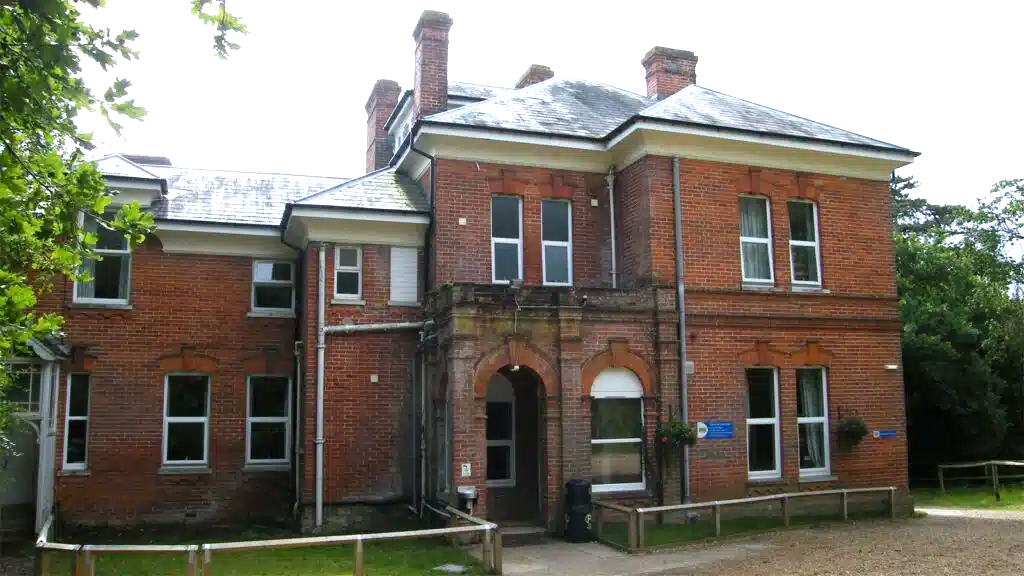
During the late 1960s, Pontins acquired an adjoining manor house known as Woodlands, considerably extending the Little Canada site. The purchase also included a smaller house called Trappers, together with a lodge building. Woodlands was subsequently converted to provide additional accommodation for both guests and staff, while Trappers was reserved exclusively for employees.
Fred Pontin himself occasionally stayed overnight at Woodlands when visiting Little Canada. He later acquired his own home nearby, purchasing a property on Kite Hill called Holly Bush.
Little Canada closed as a traditional holiday camp at the end of the 1994 season. By this time, several former Pontins camps had been sold for redevelopment, their increasingly valuable land disappearing beneath new housing estates. At Little Canada, however, this was never really an option, as local planning restrictions made this type of development almost impossible. Instead, the site was sold largely intact, allowing its buildings and facilities to be adapted for an entirely new purpose.
The following year it reopened under the Superchoice name as a residential children’s activity centre, the first in the UK to be based on the American summer-camp concept. Two more Pontins camps would later join Superchoice, Barton Hall in Devon and Osmington Bay in Dorset. At the time, both Pontins and Superchoice were owned by Scottish & Newcastle, making the conversion a relatively straightforward transfer from one part of the company to another. Superchoice was subsequently renamed 3D Education and became a subsidiary of Centre Parcs, another S&N company.
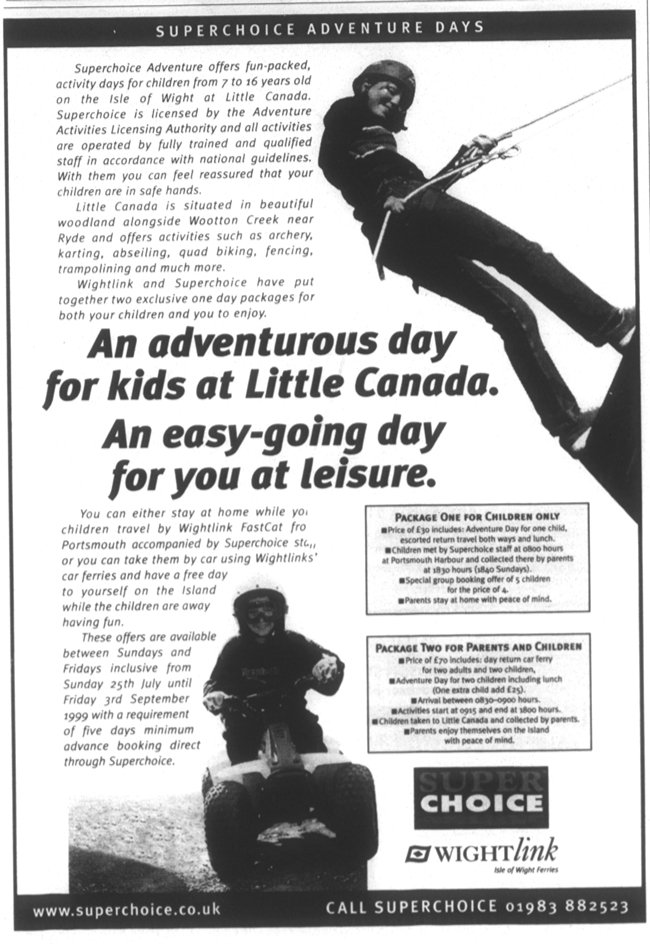
In 2004 3D Education, along with its three former Pontins camps, was acquired by rival children’s activity-holiday operator PGL for £12 million.
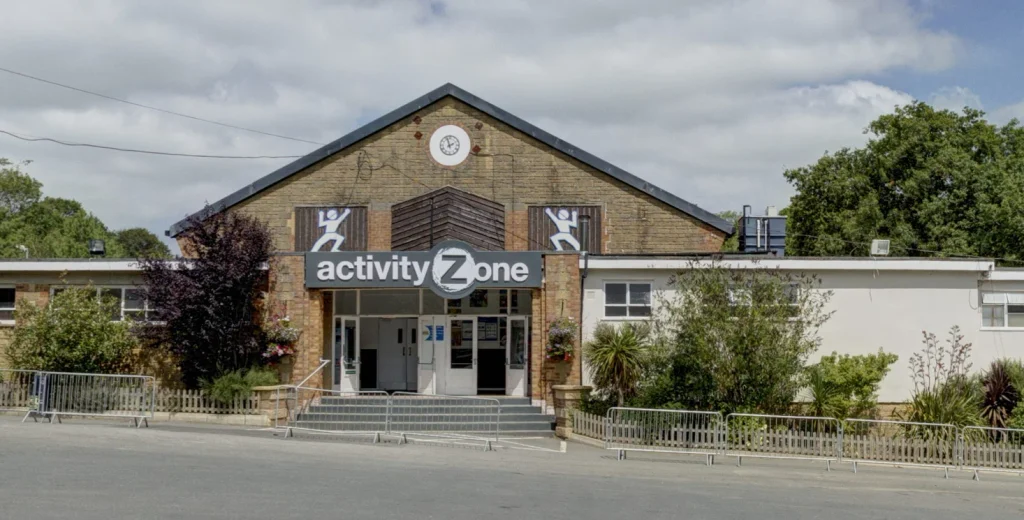
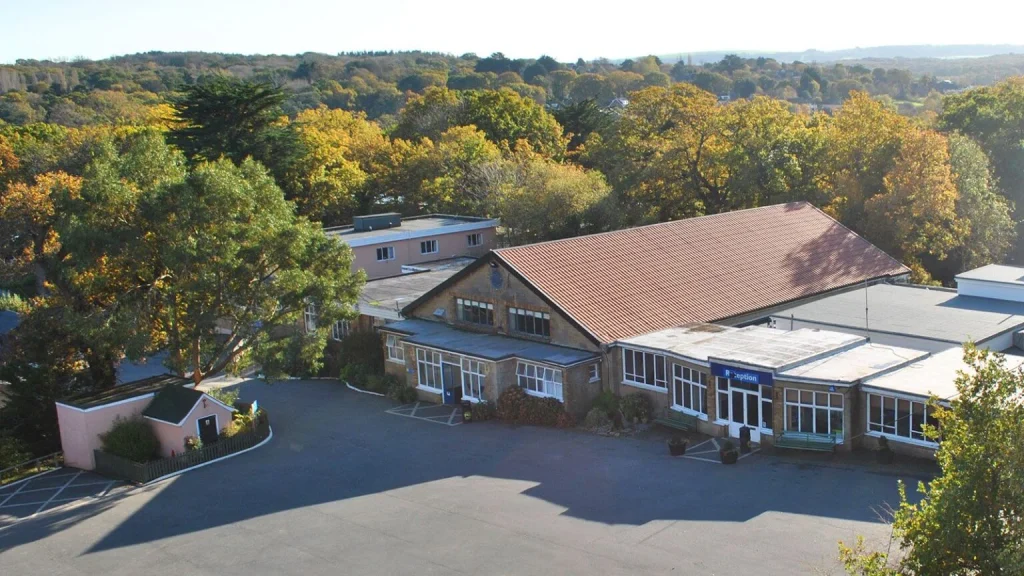
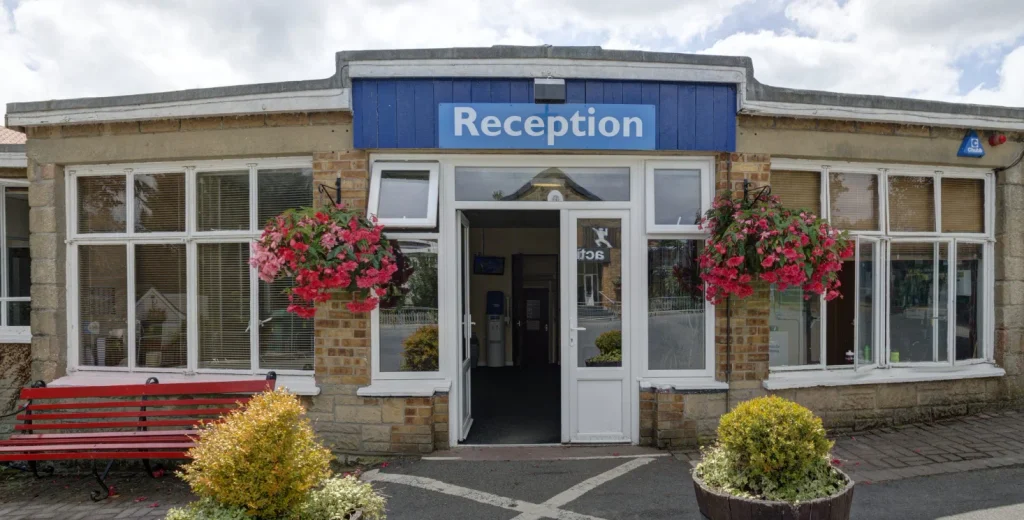
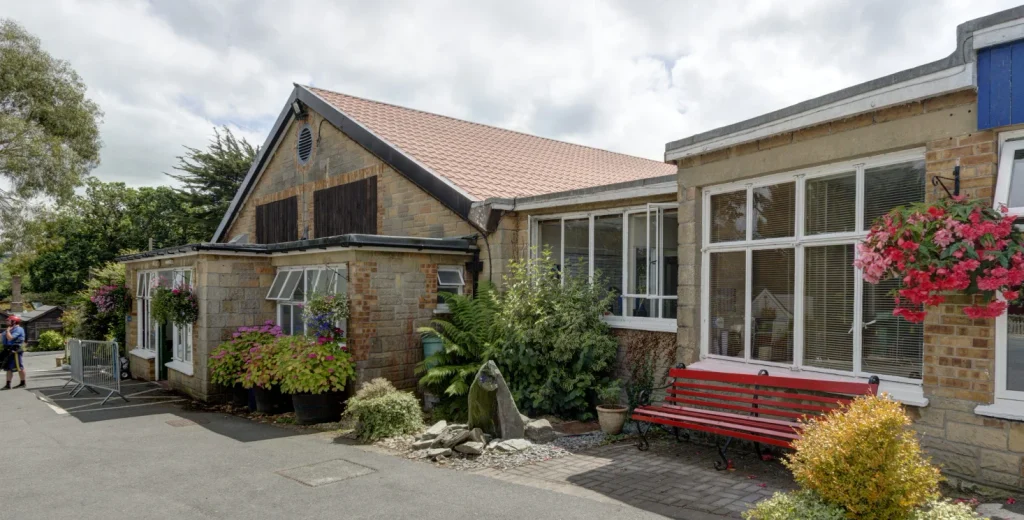
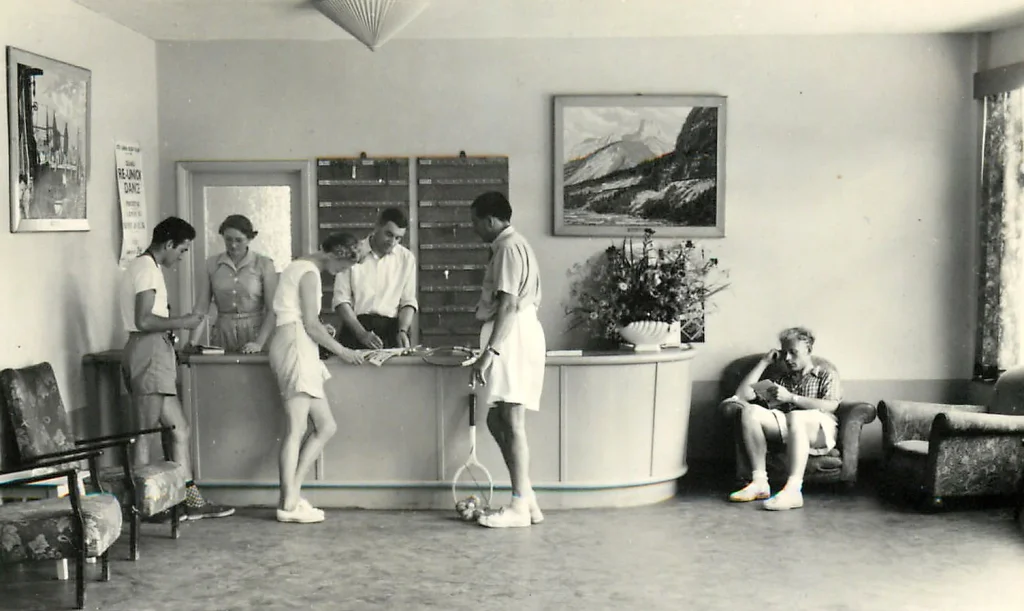
Today, Little Canada remains in use as a PGL activity centre and has been extensively modernised, yet remarkably much of the old holiday camp is still recognisable. Rather than completely redeveloping the site, many of the existing buildings have simply been adapted to suit their new purpose. The former entertainment hall and ballroom now form the Activity Zone, meals are still served in the same former Pontins dining hall, and even the old reception building continues to fulfill its original role.
Woodlands has also survived and is now used as dormitory accommodation, with some rooms containing bunk beds for up to ten children. Not everything has survived, however. Little Canada’s distinctive totem pole was removed in the late 1990s after eventually succumbing to wood rot, while the old outdoor swimming pool has been filled in.
More than ninety years after Captain Howarth first established his collection of Canadian-style log cabins among the trees, Little Canada therefore continues to welcome young visitors – albeit in a very different form from the holiday camp of old.
Little Canada today