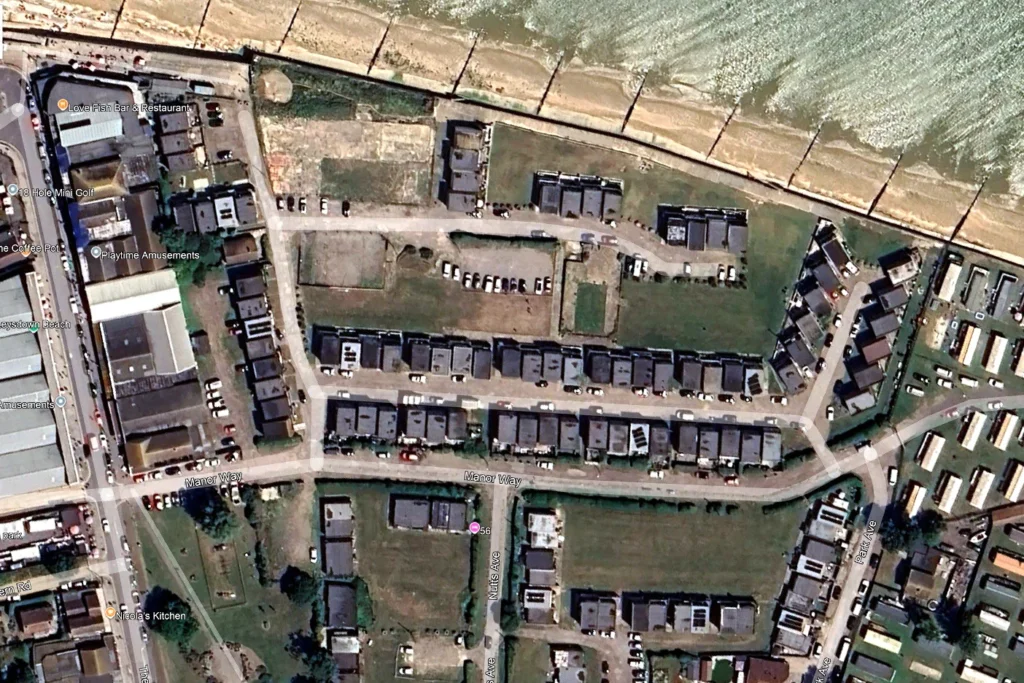
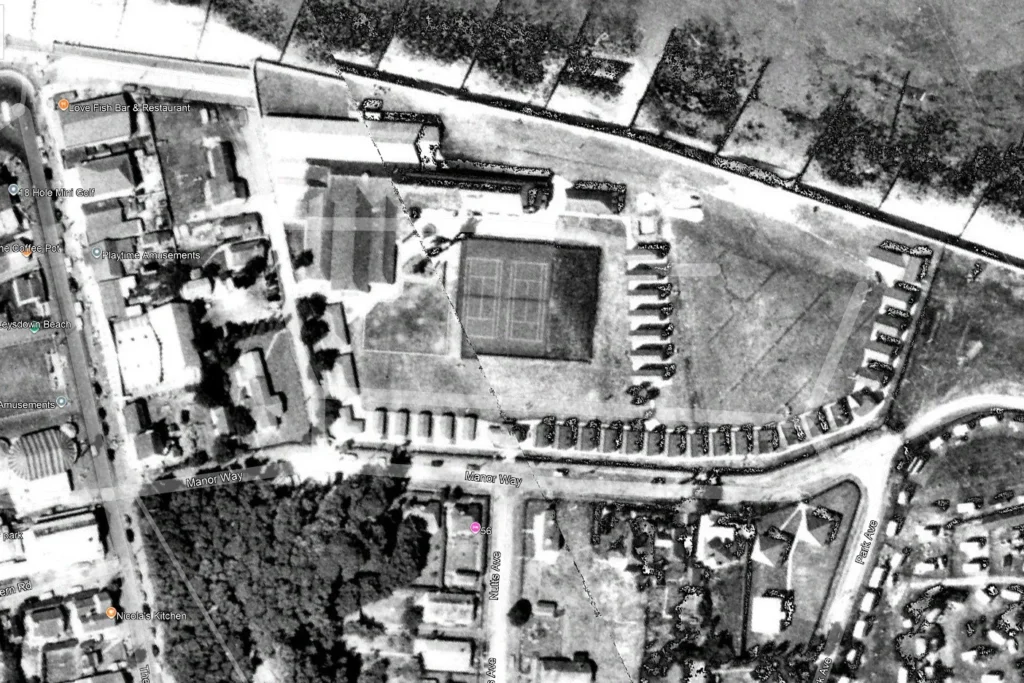
This 15-acre seafront holiday camp at Leysdown on the Isle of Sheppey had opened before the war, but in 1946 it was acquired by Major Caldicott, a former battery commanding officer. He first got his taste of holiday camp life in the 1930s, when aged just 18, he was appointed entertainments manager at the New Beach Holiday Camp in Earnley. When Caldicott arrived on Sheppey, Leysdown was still a relatively undeveloped seaside village, but he was convinced that this was about to change. Looking back, he recalled finding “a nice, quiet rural village,” adding: “But I saw its possibilities as a thriving holiday resort.” It proved to be a remarkably accurate prediction.
Initially accommodating around 300 guests, it offered the familiar range of facilities associated with the post-war holiday camp, but quickly gained a reputation for high standards. The camp had a large dance hall, with an organ in one corner, an impressive club bar, teenagers’ room, television room and a sun lounge overlooking the sea. Caldicott himself became a popular and well-respected figure within the local community.
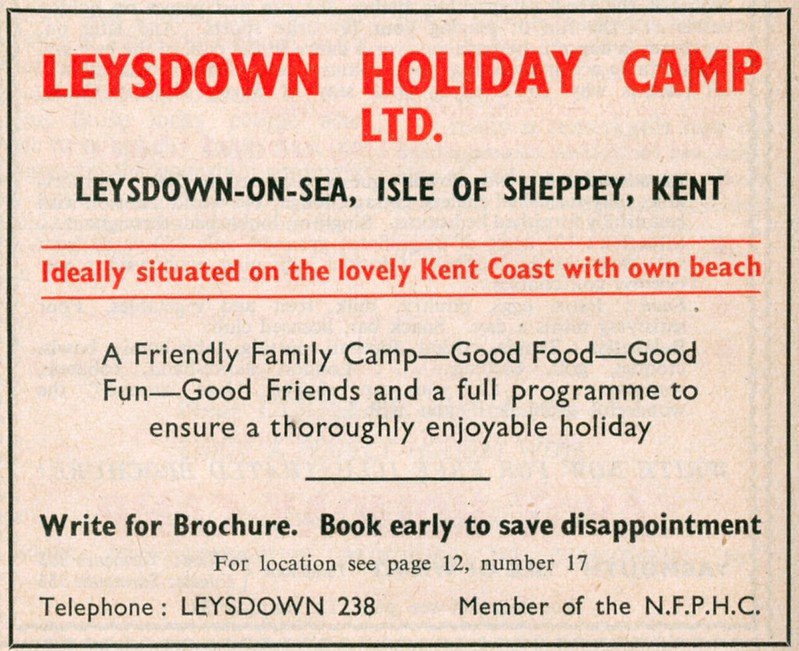
During the 1950s Leysdown had grown at an extraordinary pace, fuelled by the increasing prosperity of working-class and lower-middle-class families and the rapid expansion of holiday camps, caravan sites and chalet parks. For thousands of families from London and the Home Counties, Sheppey offered an inexpensive seaside holiday within relatively easy travelling distance of home. It was described as the fastest-growing holiday town in south-east England. As visitor numbers increased, Caldicott enlarged the camp, adding more chalets and raising its capacity to around 450 guests. At the height of its success the camp was generating an annual turnover of approximately £40,000 – equivalent to well over a million today.
Encouraged by this success, Caldicott expanded his interests elsewhere on Sheppey, acquiring several other businesses, including more holiday parks. The local paper described him as “The Billy Butlin of Leysdown”.
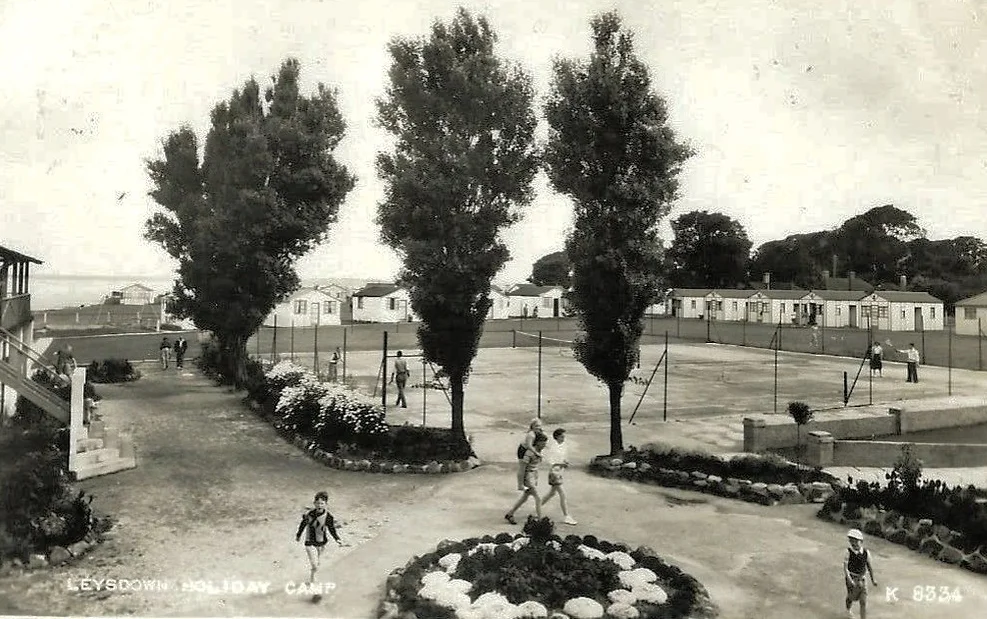
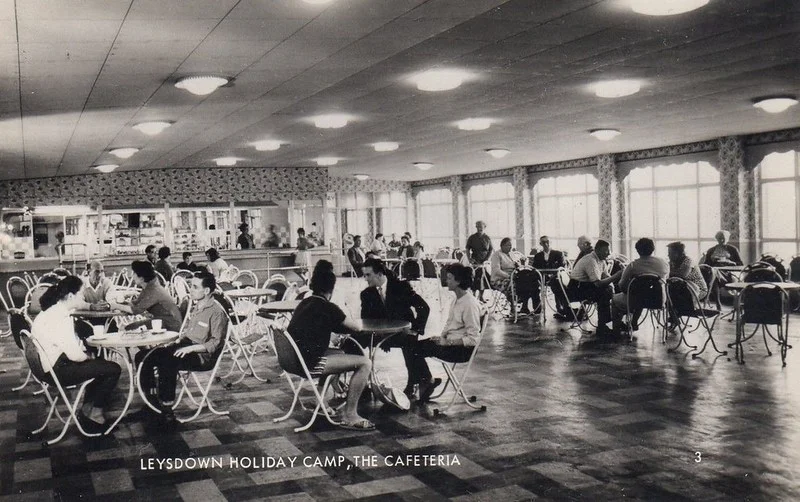
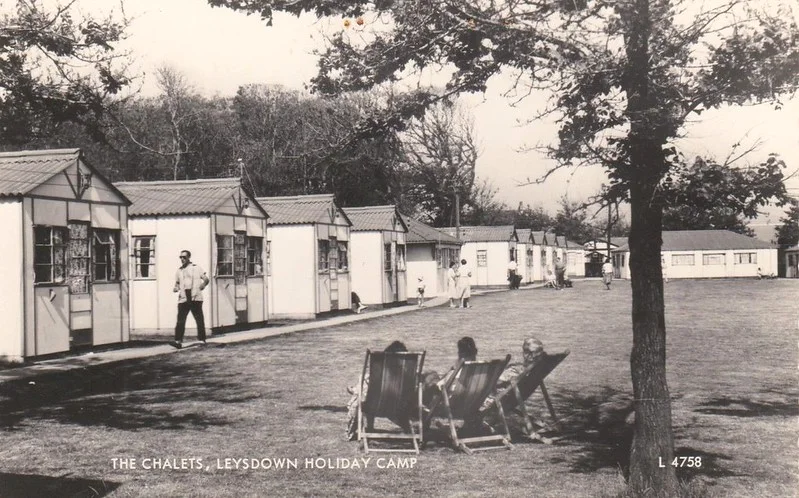
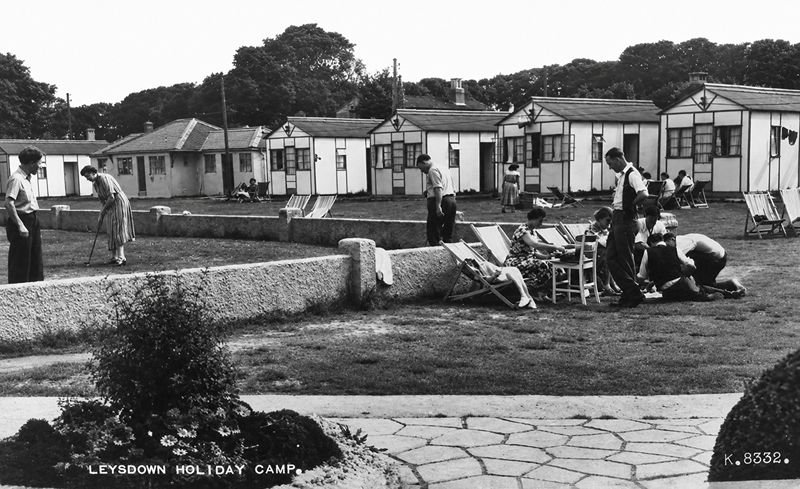
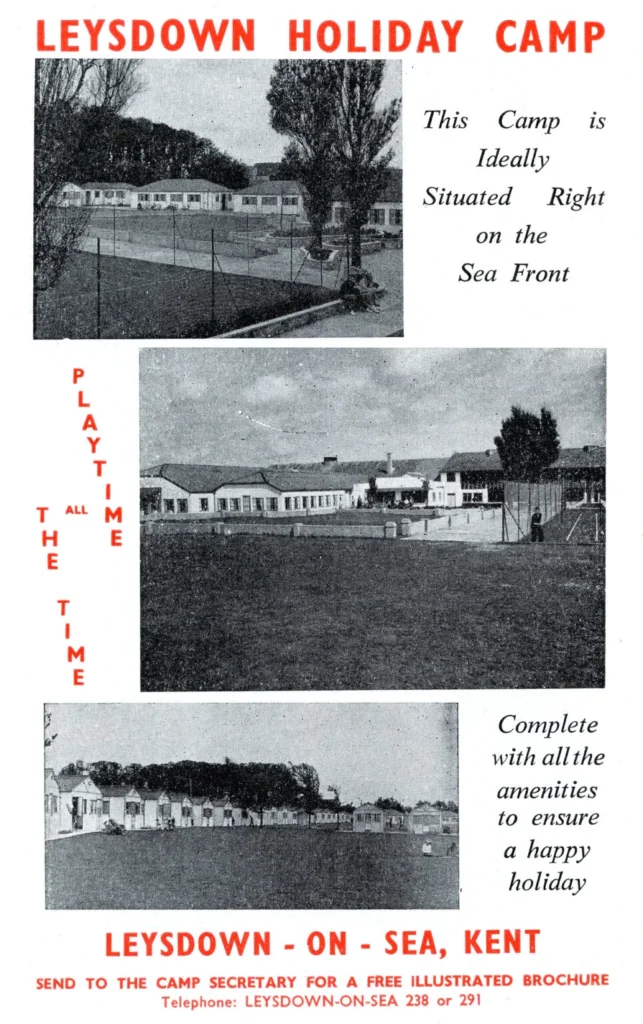
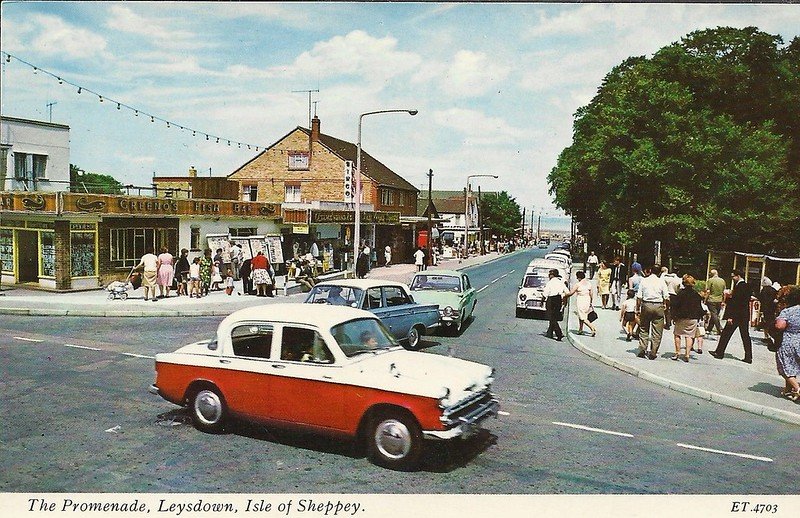
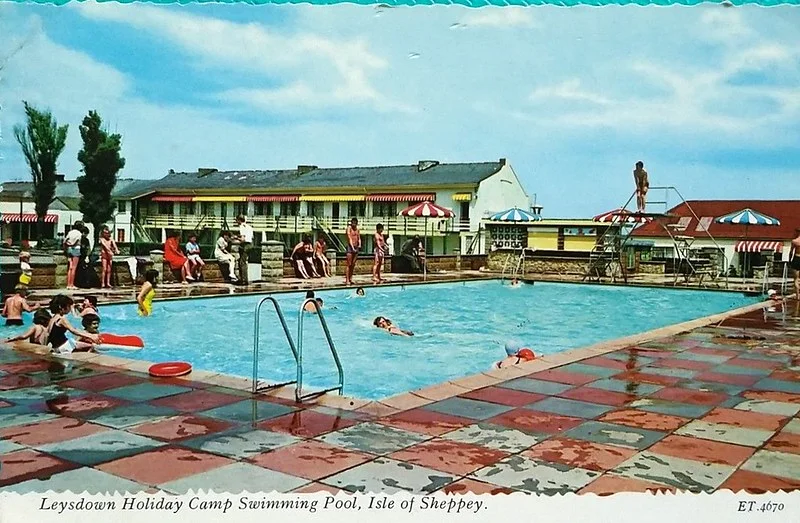
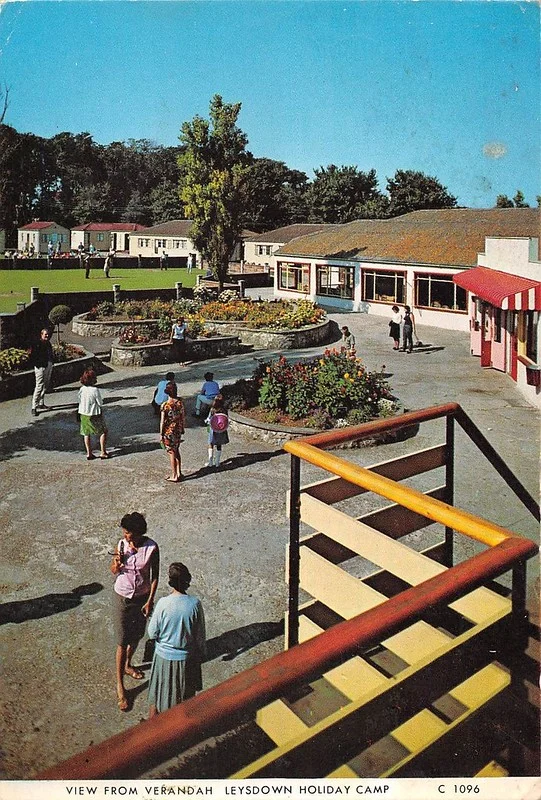
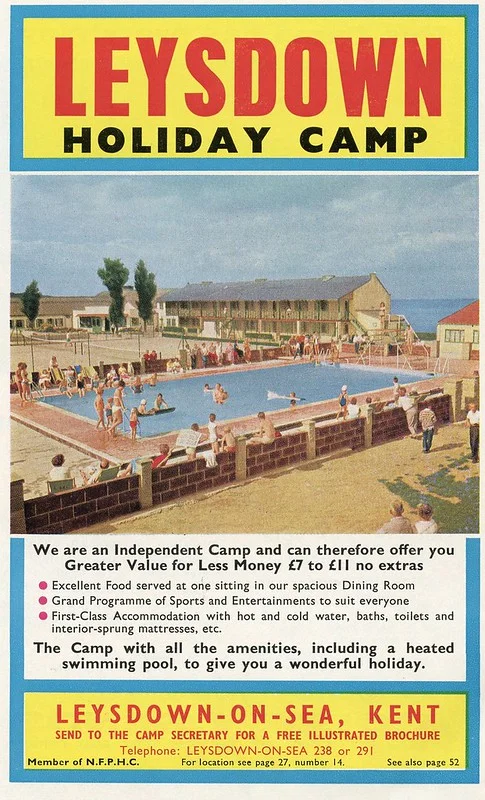
At the beginning of the 1960s, the boom showed little sign of ending. A new heated swimming pool was added in 1962 and Leysdown itself had become one of the busiest holiday centres on the Kent coast.
Yet the very market which had created Leysdown’s success began changing remarkably quickly during the late 1960s. Rising incomes, increasing car ownership and improved roads gave families a much wider choice of destinations. Holidaymakers who had previously been content to return to the same nearby resort each summer could now travel much farther afield.
The speed of the reversal was striking. At the beginning of the 1960s Caldicott’s camp was attracting around 9,000 visitors a year; by the end of that decade the figure had dropped by roughly half. Caldicott summed up the transformation vividly when he declared that the “25-year Klondike gold rush of Leysdown has come to an end.”
What happened next was rather different from the fate of other British holiday camps. Instead of struggling on for years, cutting costs, postponing maintenance and hoping that better times might eventually return, Caldicott took a much more decisive approach. He abruptly closed the camp at the end of the 1970 season and demolished it the following year. He effectively drew a line under the traditional holiday camp and began looking for a new use for the land.
He immediately submitted plans to redevelop most of the site with residential housing, with one corner dedicated to a hotel. The hotel was given outline permission but the housing was rejected as the council wanted to keep the site for holiday use. So new plans were submitted for a development of brick chalets and flats which were to be sold as holiday homes with a 10-month residency. These plans were approved and in 1973 Caldicott opened the £400,000 Sheppey Beach Villas complex, which still survives today.
The hotel idea was later abandoned and the site was instead used to build a huge 20,000 sq ft club to be known as the Sheppey Beach Villa Club. It was advertised as the biggest club in Leysdown and featured two bars, a lounge, dance hall, snooker room and restaurant.
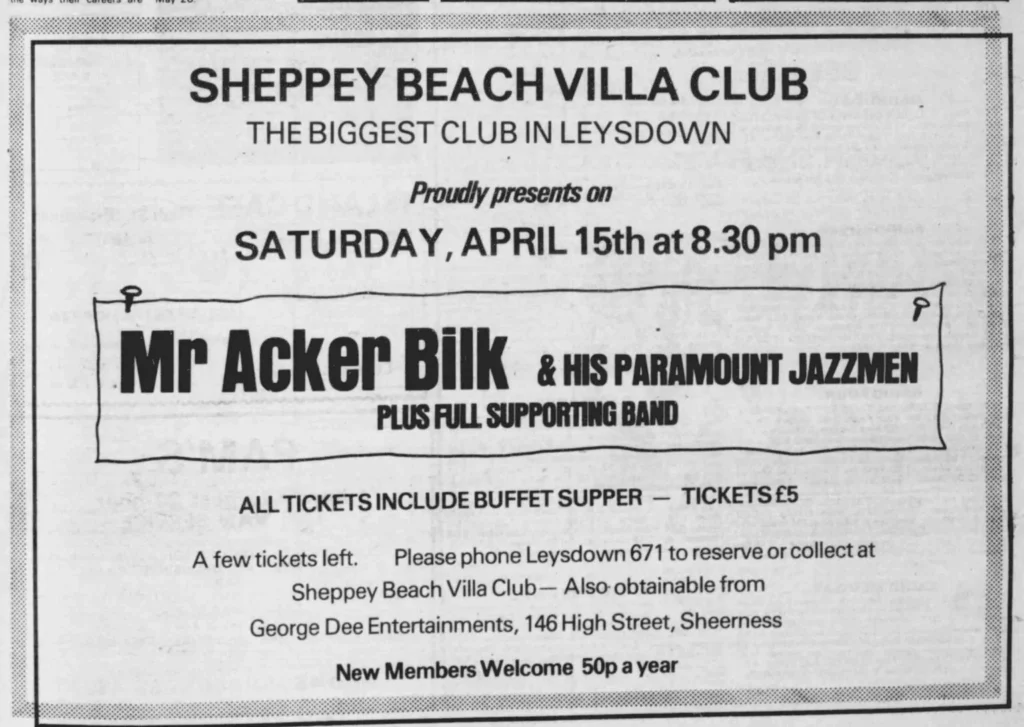
The club remained popular throughout the 1970s and 1980s but eventually closed in 1991. The now rundown building was twice auctioned but failed to sell, despite the guide price being only £60,000. In March 1993 it was acquired by the local parish council following a £50,000 grant from Swale council, and converted into a community centre to be run by a charitable trust. After an extensive refurbishment, and amid much bitter controversy in the town, it opened in 1997. It has since been demolished.
The descendants of Major Caldicott still remain very active today in the Isle of Sheppey holiday business.