The British holiday caravan park developed gradually rather than appearing fully formed. During the 1920s, caravanning was still largely a touring pastime, with holidaymakers pulling up beside quiet roads or arranging to pitch on a farmer’s field. Although plenty of holiday camps were beginning to spring up around the country during the 1930s, caravan parks were still virtually unknown.
The Second World War helped change that. Petrol shortages meant caravans were moved far less frequently, and many were simply left in one place for long periods. Some of these sites slowly evolved into more permanent caravan parks, although they were often little more than haphazard collections of ageing vans scattered across a field.
Facilities were usually rudimentary – perhaps little more than a cold-water tap and a couple of basic toilets. The caravans themselves were generally privately owned, with many left on site throughout the year while their owners paid a modest annual rent for the pitch. Many early static caravans relied on bottled gas for lighting, heating and cooking.
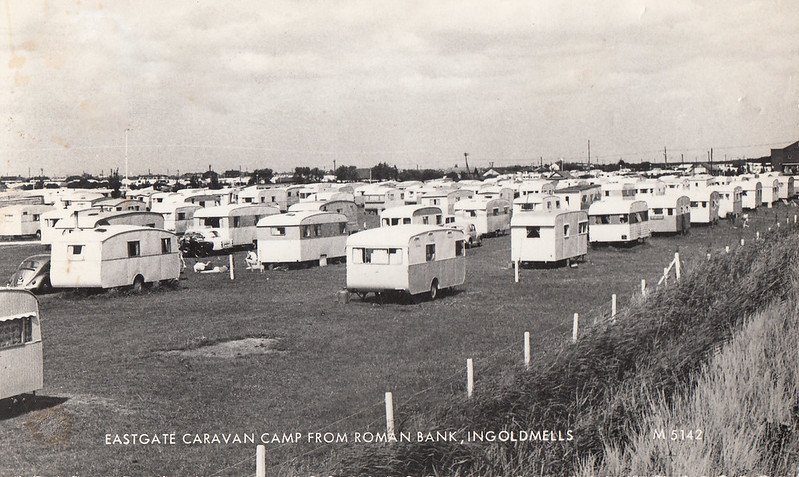
The Caravan Sites and Control of Development Act 1960 brought caravan sites much more firmly into the planning system and gave local authorities greater control over their location, layout and facilities. Establishing a new caravan park was no longer simply a matter of buying a field and filling it with caravans. At the same time, existing authorised sites became increasingly valuable because obtaining permission for a completely new park was becoming much harder.
A handful of enterprising owners soon discovered that holidaymakers were usually happy to pay higher rents if better facilities were provided. Something as simple as paved roads and electric hook-ups could justify an increase. Mains water and sewer connections meant another rise. Build a swimming pool and the rent could go up again. Add a clubhouse, bar or entertainment centre and there was yet another reason to charge more.
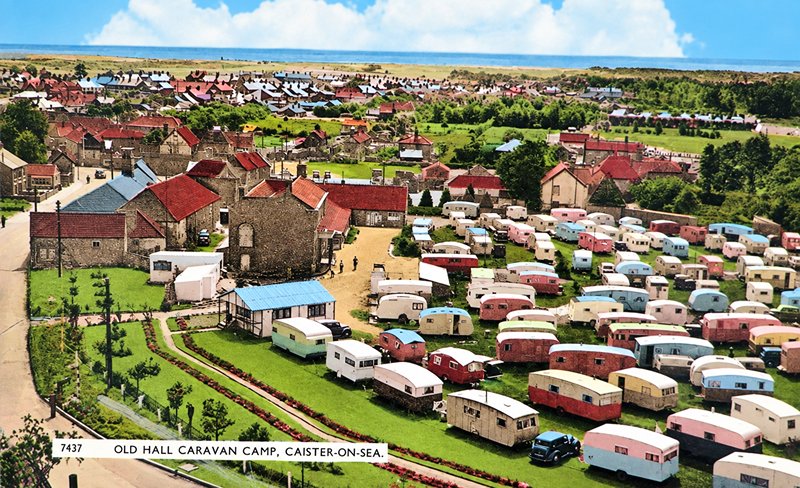
There was also plenty of additional money to be made from shops, restaurants and bars. Parks were not being improved simply because their owners wanted them to look smarter; every improvement increased the earning power of the land.
Better still for the operator, the most profitable caravans were often those they did not own. Customers bought the caravan themselves and paid for its maintenance and insurance, while the operator supplied the land and facilities and collected an annual site rent.
There were further profits to be made from the caravan itself. Park operators could earn a commission whenever a new caravan was sold onto the site and often took another cut when an existing owner sold a used caravan.
With hundreds of older parks still operating on little more than the old “tap in a field” model, there were plenty of opportunities for entrepreneurs to make some serious money.
Changing habits
Changing holiday habits were also beginning to work in favour of the caravan park. The traditional holiday-camp formula had been built around fixed routines: meals were served at set times in communal dining halls, entertainment was organised for the guests, and accommodation usually consisted of fairly basic chalets. To a younger generation, the whole experience was beginning to seem increasingly old-fashioned and restrictive.
Caravan parks offered something different. Self-catering gave holidaymakers the freedom to eat when and where they wanted, while the caravan itself provided a living room, kitchen and, increasingly, private toilet and washing facilities. Families could come and go as they pleased, spend the day away from the park if they wished, and return without having missed a meal or organised activity.
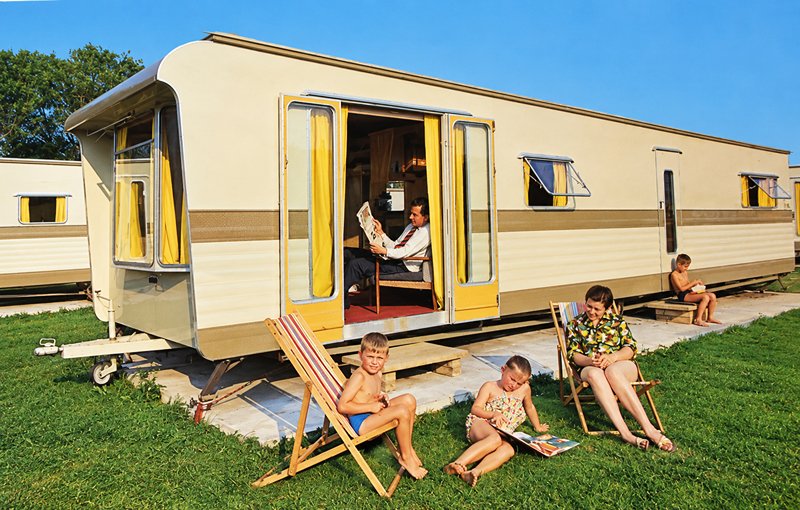
There was also an important difference in cost. A privately owned caravan could be used repeatedly throughout the season and, when the owner was not using it, rented out to other holidaymakers to generate an income. Compared with paying separately for each holiday, ownership could therefore appear to offer much greater value, particularly for families who returned to the same resort several times a year.
The parks themselves were also beginning to offer many of the same facilities as holiday camps, but with considerably more freedom. As tastes changed, that flexibility became one of the caravan park industry’s greatest advantages.
Leisure Caravan Parks
One of the most spectacular success stories of the 1960s was Leisure Caravan Parks Ltd. Accountant Peter Harris first spotted the untapped potential when he was asked to carry out an audit at a caravan park. He compared notes with his friend David Allen, and the two quickly realised the huge opportunity staring them in the face.
To put their theories into practice, Harris and Allen joined forces in 1964 to acquire Alberta Caravan Park at Seasalter, near Whitstable, for £27,000. They raised £20,000 themselves, with the balance provided as a loan by the seller.
That first year they made a profit of around £3,000, and they were soon joined by John Cook. What followed was a remarkably rapid period of expansion.
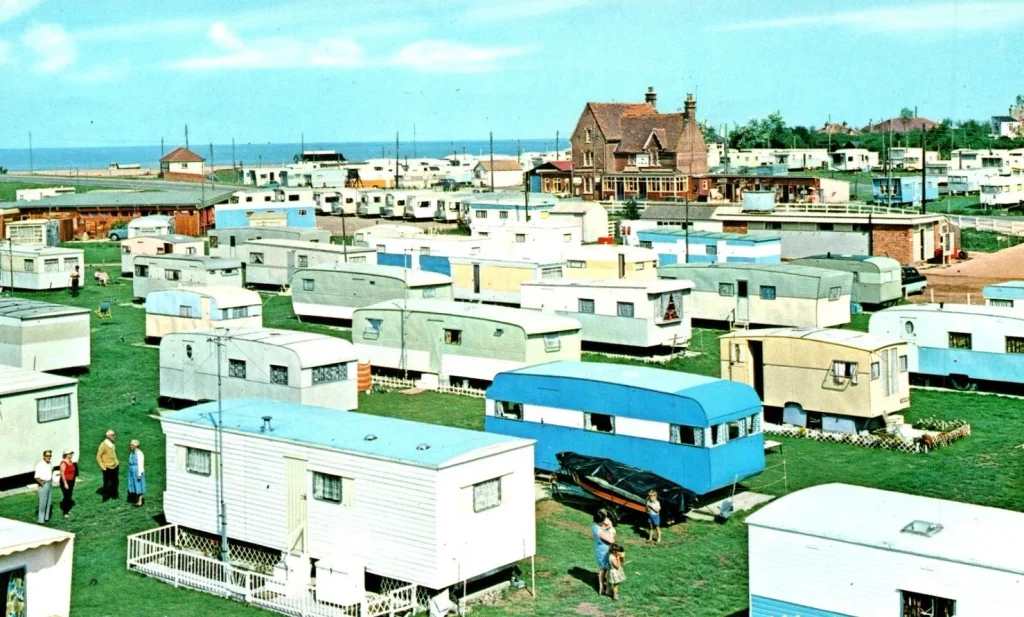
Within just eight years, Leisure Caravan Parks had grown into a substantial leisure business, operating 10 holiday parks and four residential parks and producing an annual profit of around £580,000. It had also expanded beyond park ownership, acquiring a caravan manufacturer, several caravan sales centres and even moving into the marina business.
In 1972 the company was floated on the stock market, providing further capital for expansion. Another four parks were acquired during 1973.
Bourne Leisure
Another entrepreneur to seize on the growing caravan boom was Graham Bourne. Raised in the Potteries, he had briefly played football for Stoke-on-Trent before exchanging the pitch for the world of business.
His first venture was a bicycle shop in Tunstall, but in 1962 he bought a bare-bones camping site at Black Rock Sands near Porthmadog, a site which had been welcoming campers since the 1930s. He renamed it Greenacres and teamed up with Wolverhampton businessman Dennis Jeavons of the Gailey Group to fill the park with new customer-owned caravans. Gailey would go on to become one of the largest caravan distributors in the country.
By the late 1960s Bourne had acquired several more caravan parks in North Wales under the Bourne Leisure name. He also diversified into housing, built homes beside Greenacres and moved into hospitality by buying hotels in Beddgelert. His prefab chalet company, Minerva, supplied other holiday parks, and his interests extended into developments in Malta and the Isle of Man.
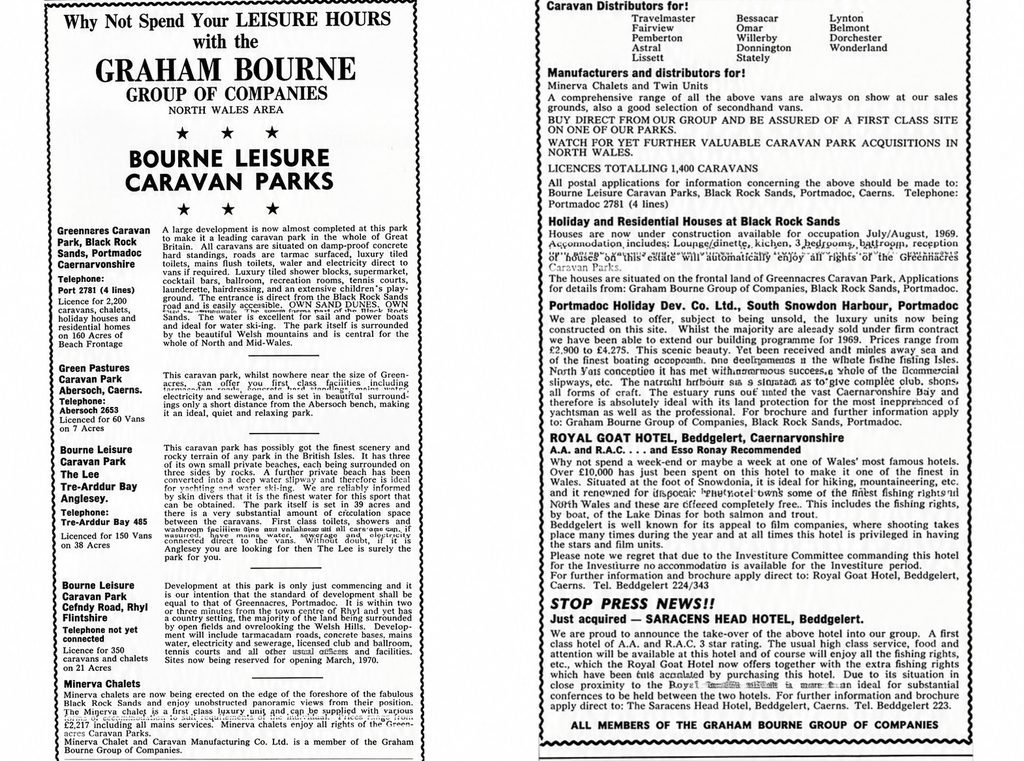
Bourne was involved in an extraordinary range of activities. In 1964 he became chairman of Porthmadog Football Club and revitalised the team by signing a number of high-profile players, including Welsh international Mel Charles. The following year he was credited with rescuing six people at the Llandudno Power Boat Championships. He later became chairman of Oswestry Town, and there was even talk of him joining the board at Wrexham.
In 1967 he again teamed up with Dennis Jeavons to develop South Snowdon Harbour at Porthmadog. Other ambitious proposals followed, including a huge redevelopment of Port Dinorwic with homes, a yacht club, shops, bars and restaurants.
Then, in March 1974, Graham Bourne died suddenly from a heart attack. He was just 42.
Later that year Harris, Allen and Cook – directors of Leisure Caravan Parks – acquired the complete share capital of Bourne Leisure, whose interests then included 13 holiday centres.
But instead of merging the new business into their publicly quoted company, they kept the two operations completely separate. Leisure Caravan Parks remained the public company, while Bourne Leisure became their privately owned business.
For several years, therefore, the same directors effectively controlled two parallel holiday-park companies.
Rank Leisure
By the early 1970s Butlins was still operating much as it always had, with full-board holidays in which breakfast, lunch and dinner were included and served at fixed times in cavernous communal dining halls. It was a formula that had worked brilliantly for decades, but holidaymakers were beginning to want more freedom.
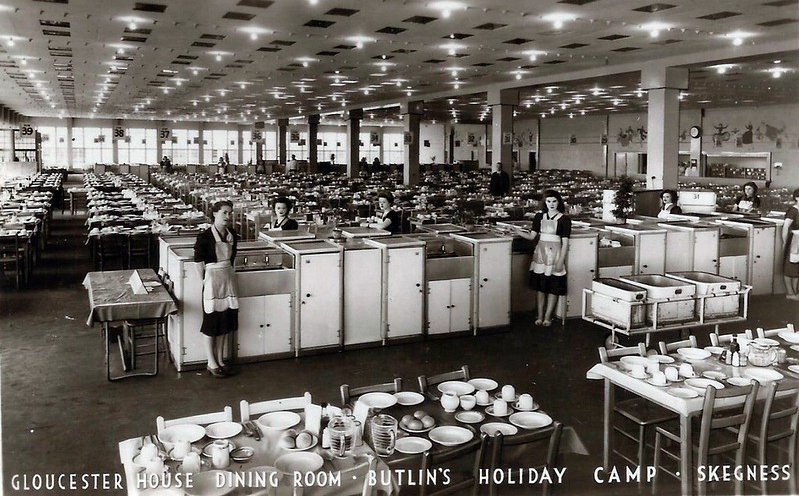
Pontins had spotted the change much earlier. During the early 1960s it began developing self-catering accommodation, building new sites and converting existing camps to offer larger chalets with kitchens, dining areas and private bathrooms. Instead of being tied to fixed mealtimes, families could eat when and where they chose.
Butlins was much slower to react, and it became increasingly obvious that tastes were changing. Modernising such an enormous estate would require vast amounts of investment. In 1972 the company was sold to Rank for £43 million.
That same year Rank also bought Duporth Holiday Camp in Cornwall. More properties followed, and during the mid-1970s a group of smaller holiday centres in Devon and Cornwall began to be marketed under the Freshfields Holidays name.
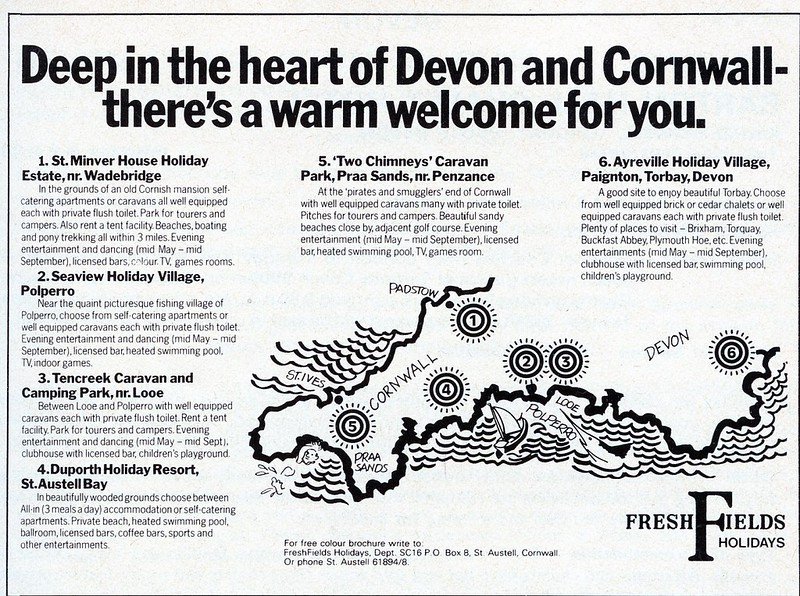
Freshfields was deliberately presented as something different from Butlins. Its centres were generally smaller and quieter and were largely aimed at the self-catering market. The group continued expanding through the late 1970s, with Doniford joining the portfolio in 1979.
Rank’s involvement in the caravan-park business increased dramatically in 1979 when it acquired Leisure Caravan Parks Ltd for £20 million. The deal brought Rank a portfolio of 14 caravan parks, together with marinas and caravan-sales interests. These parks were subsequently brought under the Leisure Holidays name.
From 1983 the Freshfields name disappeared from Rank’s British parks, although it continued to be used for overseas properties. Rank’s UK self-catering centres were increasingly brought together under the Leisure Holidays banner.
English China Clays and Haven
While Leisure Caravan Parks, Bourne Leisure and Rank were expanding, another major group was emerging from a rather unexpected direction.
English China Clays was better known for its enormous open-cast clay workings, but during the early 1970s it began investing in the holiday-park business. Its interests included Presthaven in North Wales and Tolroy in Cornwall.
A major step came in 1978 when ECC bought three caravan parks from the Gailey Group – Combe Haven, Ashcroft and Lakeside Lido. Together with its existing parks, these five were brought together under a new trading name: Haven Leisure.
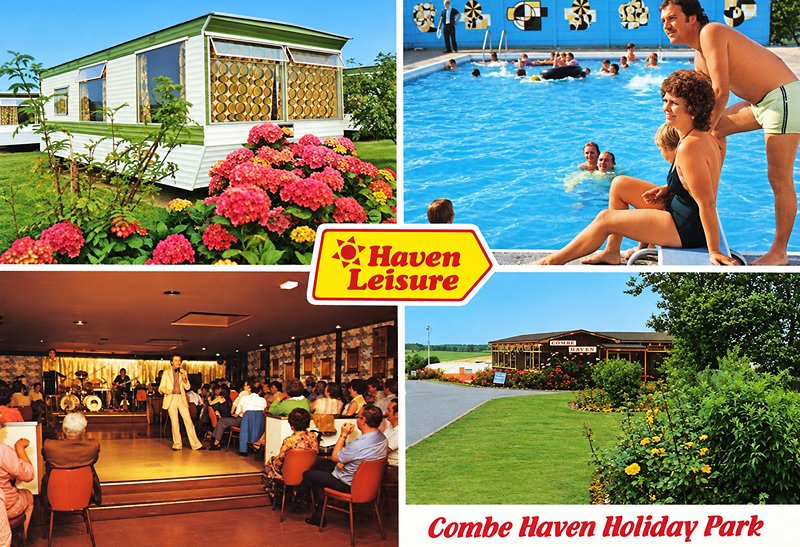
Further expansion followed, but the biggest leap came in 1982 when ECC bought the leisure interests of Guinness for £13.2 million.
Guinness had entered the holiday business in February 1974 when it paid £1 million for Uptonspur, a diversified leisure company with holiday developments in Wales and North Devon, a North Wales hotel and two pleasure-cruiser companies operating on the canals of southern France.
Guinness subsequently expanded these interests, adding further holiday parks and acquiring a substantial cruiser-hire operation on the Norfolk Broads. These various leisure interests were eventually brought together under the Toucan Holidays name.
The purchase gave ECC a greatly enlarged collection of holiday parks and leisure businesses and helped transform Haven from a relatively modest group into one of the largest caravan-park operators in Britain.
But English China Clays ultimately decided that leisure was not central to its long-term interests. In February 1986 it sold Haven Holidays and its 16 parks to Rank for £37.5 million.
Rank already controlled another 15 parks through Leisure Holidays, so the acquisition suddenly gave it a combined estate of 31 sites.
The Leisure Holidays name disappeared and the combined estate was brought together under the Haven Holidays name. The old Haven headquarters in Truro was closed, with management transferred to Rank’s headquarters in Hemel Hempstead.
This was the point at which Haven ceased to be merely one successful caravan-park group among several and became the dominant national brand that most people would later recognise.
The Caister Group
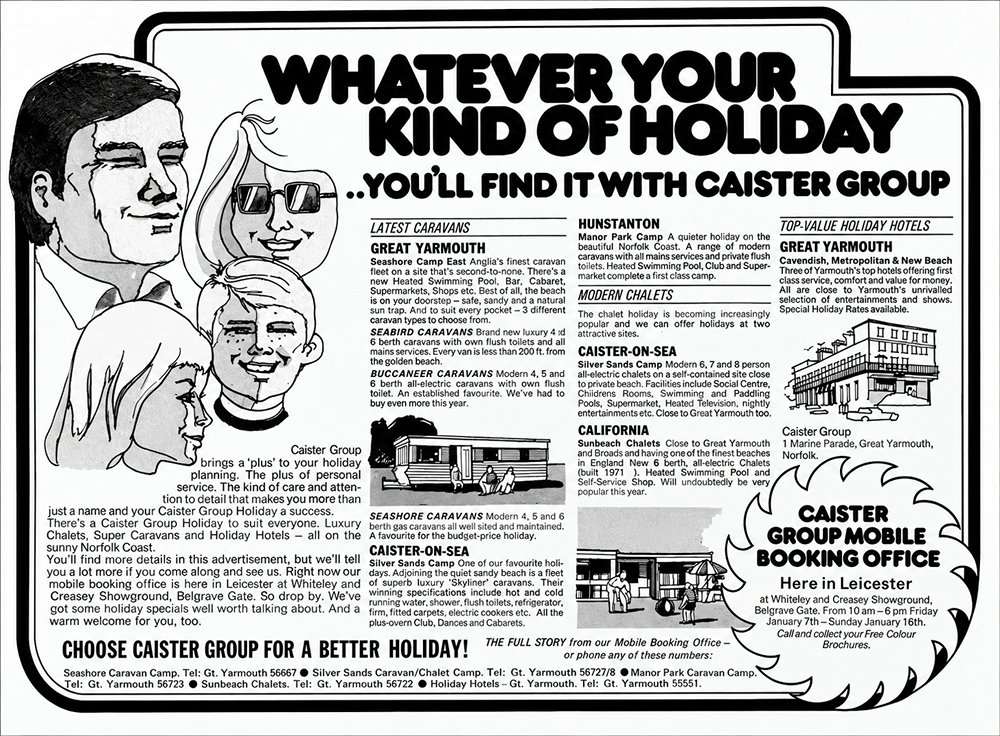
In January 1956 the Dodd family relinquished control of Caister Holiday Camp to a four-man consortium of local businessmen headed by former town councillor and car dealer Tom Watson.
Watson continued buying more holiday interests, including Seashore at Great Yarmouth in 1959.
In 1964 he brought his various businesses together under a new public company, the Caister Group Ltd. Alongside his successful car dealerships, the company took control of a growing collection of holiday parks and hotels, most of them concentrated in East Anglia.
Expansion continued rapidly throughout the remainder of the 1960s. At its peak, the company controlled seven holiday parks, several seaside hotels and eleven car dealerships. It also owned the largest fleet of hire cruisers on the Norfolk Broads.
Ladbrokes
In 1972 the Caister Group became the subject of a takeover battle when Godfrey Davis made a surprise £5.5 million bid for the company. Ladbrokes quickly entered the contest with a higher offer of £6 million and secured control.
Ladbrokes had little interest in retaining the company’s diverse collection of businesses. Within a few months, the hotels and car dealerships had been sold off, while most of the holiday parks were retained and brought together under a new holiday division. Ladbrokes also kept the Norfolk Broads boat-hire business, which was still booming during the early 1970s.
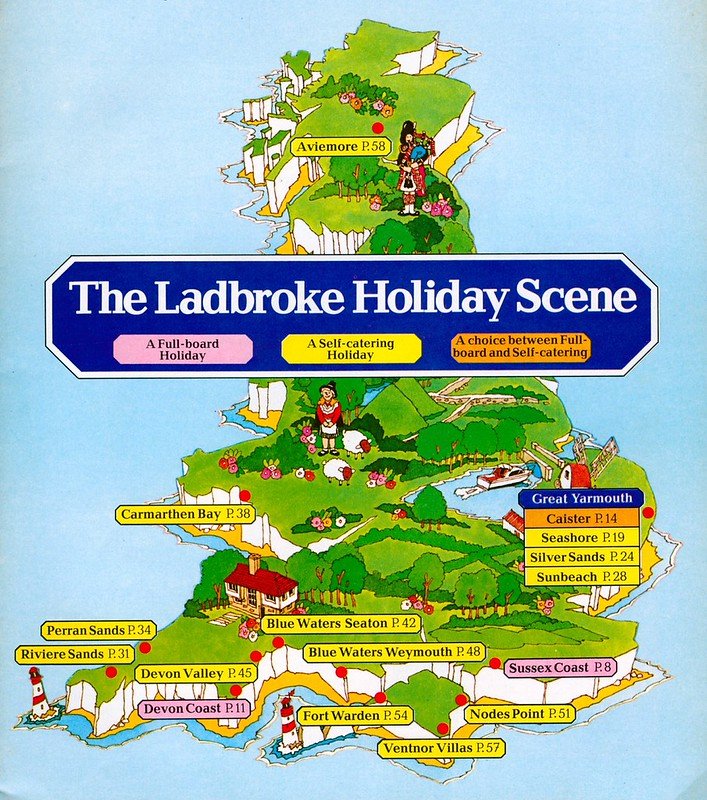
This acquisition marked Ladbrokes’ entry into the holiday-park business. Four more sites were subsequently acquired from Leisure & General Holdings and another three came from Albert Figgins.
Within just five years Ladbrokes had become the third-largest holiday operator in Britain and would eventually own 17 parks around the country.
In 1987 Ladbrokes decided to withdraw from the holiday business and put its estate up for sale. Chairman Cyril Stein explained that the disposal was “in keeping with our policy of disposing of businesses which are peripheral to our core activities of hotels, property, racing and DIY retailing”.
The entire holiday division was acquired by Mecca Leisure. Mecca itself had only recently been created. Grand Metropolitan had bought Warner Holiday Camps in 1981 and, in 1986, spun Warner and several other leisure interests into the newly formed Mecca Leisure.
The former Ladbrokes parks were therefore rebranded under the Warner name. Almost overnight Warner expanded to around 30 holiday parks and camps, making it, briefly, larger than at any other point in its history.
The arrangement did not last long. In 1990 Mecca Leisure was acquired by Rank, prompting yet another round of reorganisation. Many of the caravan parks were transferred into Haven, while the more traditional holiday camps remained with Warner. Sites regarded as surplus, or likely to be sold or redeveloped, were transferred elsewhere within the group.
Holimarine
While Ladbrokes was assembling its holiday division, Holimarine was expanding along a rather different path. Its roots lay in Joseph Webb & Co, a large Black Country construction business that had built thousands of houses.
In the late 1950s, Joseph Webb’s son – also named Joseph – took his caravan to Raymond Park in New Quay, Wales, for a family holiday. He enjoyed the experience so much that he decided to purchase the entire site and began modernising it.
By the early 1960s the Holimarine name was being used for a growing holiday business, and in 1963 the company invested £750,000 in a major new self-catering development at Burnham-on-Sea. Rather than follow the traditional formula, the new resort offered a mixture of caravans, villas and flats, together with facilities such as a boating lake, fishing lake and swimming pool.
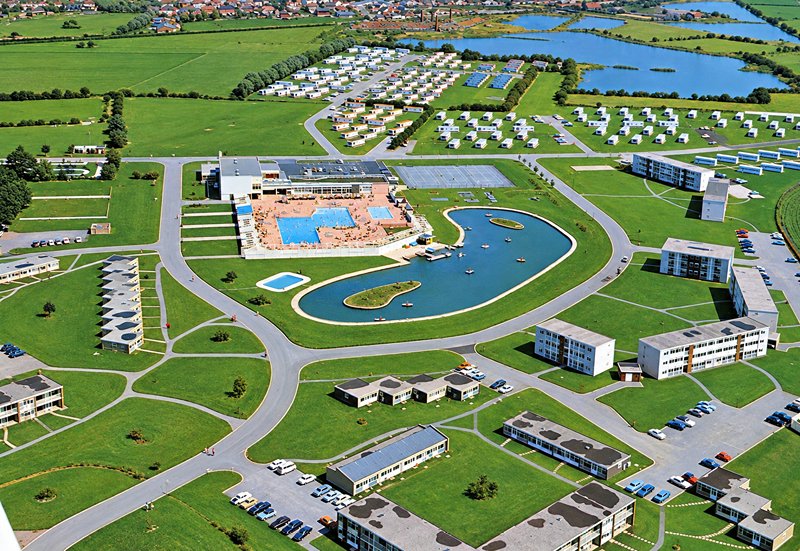
The firm’s construction roots also played a key role in its success. Joseph Webb & Co was able to design and build much of its own infrastructure, from roads and buildings to entertainment complexes and caravan bases.
The company also took over a couple of ageing holiday camps and completely redeveloped them for the newer self-catering market. Old chalets were demolished, facilities were improved and modern caravans installed in their place. The former Constitutional Holiday Camp at Hopton was rebuilt as Holimarine Hopton, while Rogerson Hall at Corton was transformed into Holimarine Corton.
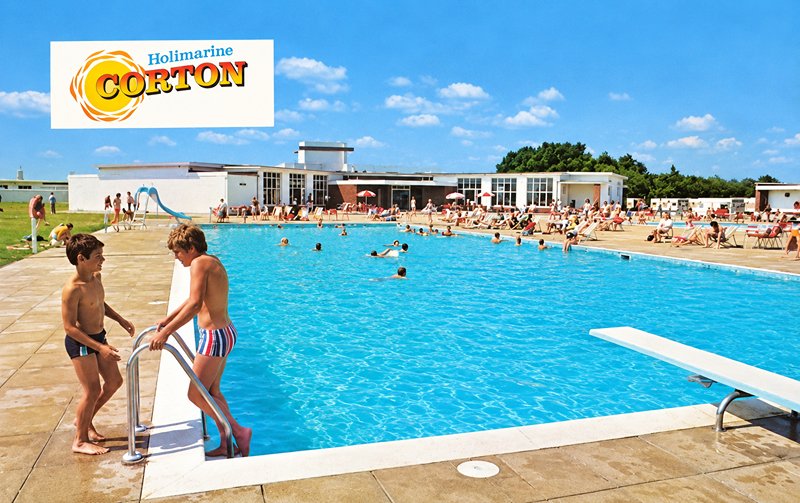
Through the 1970s and 1980s Holimarine continued expanding. Several smaller parks were also acquired and these were operated through the Parkland Holidays name. The company also developed holiday interests in France.
By the late 1980s Holimarine had become a substantial leisure business. In 1989 Joseph Webb & Co was sold to Mowat for £18 million, and further expansion followed. But Mowat ran into serious financial trouble during the early 1990s and collapsed into receivership in 1992.
The Holimarine empire was then broken up. Its parks were sold to a variety of operators, including Wilson Leisure, Hoburne and Bourne Leisure. The Holimarine name disappeared, but its former sites survived under new ownership.
Bourne Leisure buys Rank
Rank continued its aggressive expansion and in 1998 paid around £38 million for Parkdean Holidays, adding another 10 parks to its leisure empire. Most of the former Parkdean properties were subsequently brought under the Haven name.
But just two years later Rank decided it was time to leave the holiday business.
Bourne Leisure had meanwhile remained largely under the radar. Still privately owned by Harris, Allen and Cook, it had continued expanding steadily. Around 1990 the company began marketing its parks under the British Holidays name, and by the end of the decade Bourne Leisure/British Holidays had grown to 23 holiday parks.
In 2000 Bourne Leisure acquired Rank’s entire holiday division. The purchase included 54 Haven parks, 13 Warner centres and three Butlins resorts.
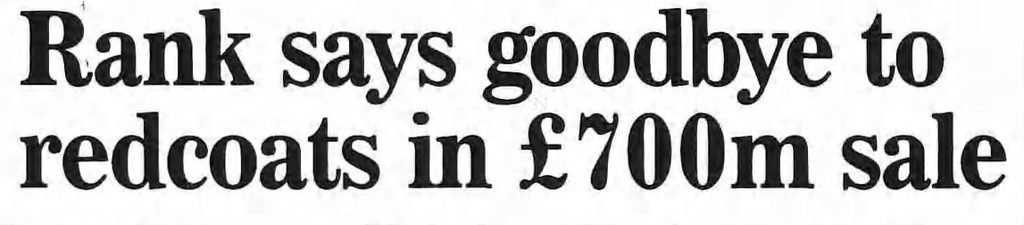
There was an extraordinary symmetry to the deal. In 1979, Harris, Allen and Cook had sold Leisure Caravan Parks to Rank. Two decades later their privately owned Bourne Leisure business bought Rank’s entire holiday division – including many of the same parks they had sold in 1979.
The small private company they had retained had effectively grown large enough to buy back the empire which had swallowed their public one.
Bourne Leisure’s takeover created an enormous holiday business, but it also left the company with far more parks than it wanted to keep. The larger and more profitable sites were retained, while others which did not fit its long-term strategy were sold.
In doing so, Bourne redistributed a substantial part of the old Rank/Haven estate across the industry and helped create the next generation of major holiday-park companies.
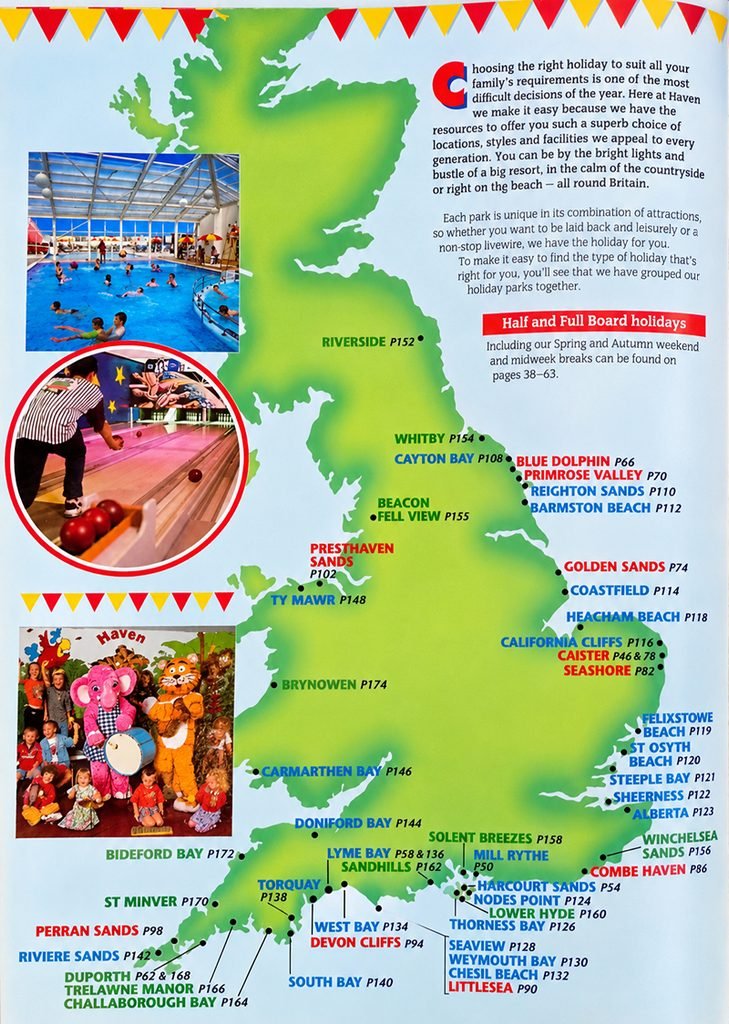
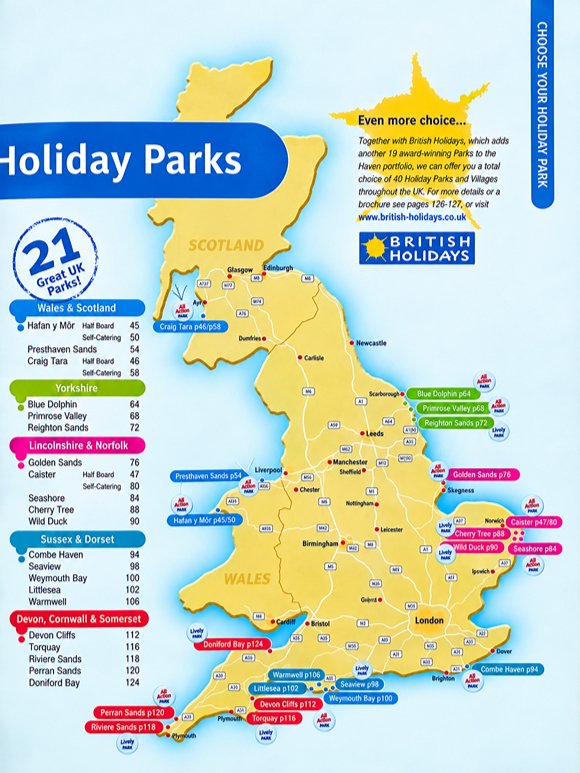
The scale of the change was remarkable. Haven had been advertising 55 parks immediately before the Bourne takeover. By 2002 just 21 remained under the Haven name, alongside 19 parks trading separately as British Holidays.
The two brands remained under common ownership but continued to be marketed independently for several years. British Holidays represented much of Bourne Leisure’s original private estate, while Haven consisted largely of the parks retained from the former Rank business.
Eventually the two operations were brought together under the Haven Holidays name.
Other companies emerge
Park Resorts was created in 2001 by a consortium of former Haven and Rank executives who recognised the opportunity created by Bourne Leisure’s sell-off. The new company acquired 12 former Haven parks for £46 million.
Those sites became the foundation of a new national operator which would expand rapidly over the following decade.
Parkdean Holidays had a much longer history. It was originally established in 1979 by North-East building group William Leech. It later became part of Beazer Homes after Beazer acquired Leech in 1985.
In 1989 managing director Graham Wilson led a £6.9 million management buyout of the five holiday parks then owned by Beazer.
Parkdean expanded further during the early 1990s and was floated on the stock market in October 1993. In 1995 it was sold to Vardon Leisure for £17.8 million, by which time it owned eight parks. Just three years later it changed hands again when Rank acquired the business for around £38 million, taking control of 10 parks.
The Parkdean name subsequently disappeared into Rank’s Haven operation.
It re-emerged as an independent business around 1999 under former managing director Graham Wilson and began expanding once again. During the early 2000s it acquired a number of former Haven parks from Bourne Leisure, including some properties it had previously owned during the 1990s.
Another strand of the industry began with the Maddieson family, who in 1979 sold their three holiday parks to Oakley Investments. Oakley operated a number of parks under the Diamond Plus Holidays name.
In 1995 Queensborough Holdings acquired the three sites for £10.75 million and merged them into its Leisure Great Britain division. Further expansion followed and by the early 2000s the business was operating 19 parks under the Great British Holidays name – not to be confused with Bourne Leisure’s British Holidays.
In November 2004 Queensborough sold Great British Holidays to ABN Amro Capital for £105 million. Just a month later ABN also acquired Park Resorts for £165 million.

The two businesses were merged under the Park Resorts name, creating Britain’s second-largest holiday-park operator with 35 sites. Expansion continued in 2007 with the purchase of Weststar Holidays, adding another four parks.
A decade later, in 2015, Park Resorts merged with Parkdean Holidays. The Park Resorts name disappeared and the combined business traded as Parkdean Resorts, creating Britain’s largest holiday-park operator with more than 60 sites.
Meanwhile, Cinque Ports Leisure had been pursuing its own growth path. Founded in 1984 with a single site at Frenchman’s Beach in Rye, the company expanded aggressively and acquired a substantial number of former Haven parks during the great sell-off.
In 2006 the company was sold for £130 million and the following year was rebranded as Park Holidays UK. Today the business forms part of American-owned Sun Communities and has over 50 holiday sites in the UK.
John Fowler Holidays stands out as one of the relatively few substantial operators to remain in family ownership. Founded in 1953 with little more than a single caravan in a field, the business grew steadily over subsequent decades. It too acquired former Bourne/Haven properties and developed into an important operator in south-west England.
Bourne Leisure is sold
Bourne Leisure remained in the hands of its founding families until 2021, when US private-equity group Blackstone acquired a controlling stake in the business. The Harris, Cook and Allen families reinvested alongside the new owner and retained a minority interest.
The group soon began to separate.
In 2022 the freeholds of Butlin’s three remaining resorts were sold to the Universities Superannuation Scheme for around £300 million, with the operating company leasing the sites back.
A few months later the Butlin’s operating business itself was sold for a similar sum to a newly formed company backed by the Harris family, bringing one of Bourne Leisure’s best-known brands back under the control of one of its former owners.
Haven and Warner remained with Blackstone, which embarked on a substantial investment programme. Haven also began acquiring parks again after a long period of consolidation.
In 2025 Haven was reorganised as a standalone business, while reports suggested that Blackstone was considering eventually selling Haven and Warner separately.
More than half a century after Harris and Allen first entered the caravan-park business, the empire they helped create had effectively come full circle. Bourne Leisure had assembled some of Britain’s most famous holiday brands under one roof, only for them to begin separating once again.