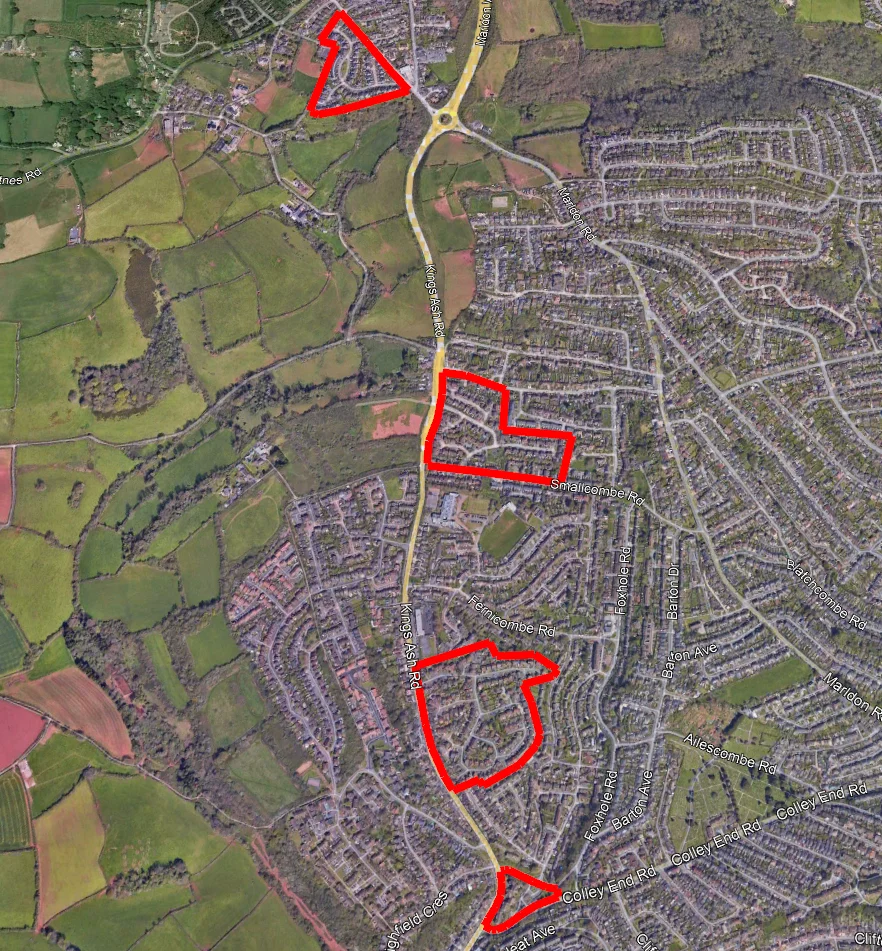
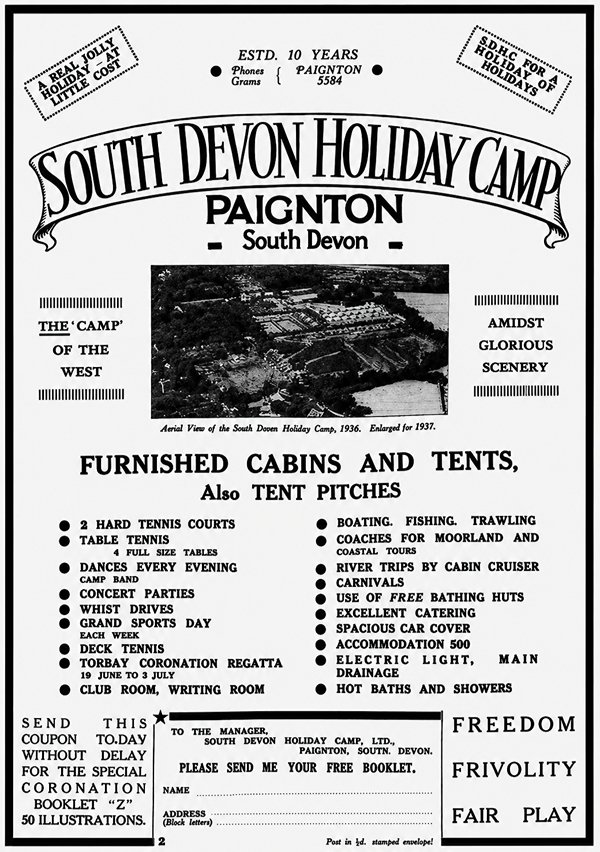
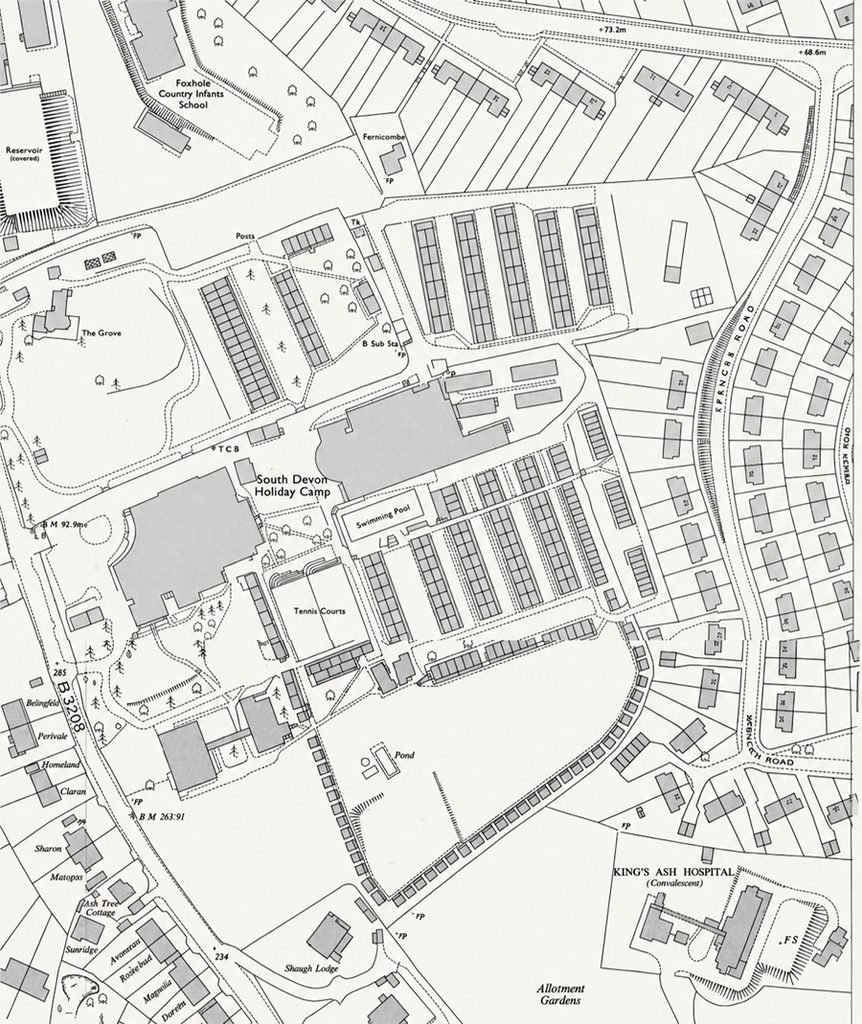
The South Devon Holiday Camp opened in 1927 on a 15-acre site on the outskirts of Paignton. Unlike many holiday camps of the period, it was not built beside the sea, but stood around two miles inland. Despite its relatively isolated location, it proved highly successful and by the early 1930s had established itself as one of the leading holiday camps in the region.
By 1934, the camp was enjoying record business. That September, its manager proudly claimed that South Devon was the third-largest holiday camp in the world, declaring: “We cater for 450 people and also have a two-acre field for those who bring their own tents and trailers. We’re filled to capacity, and this season has been a record one.”
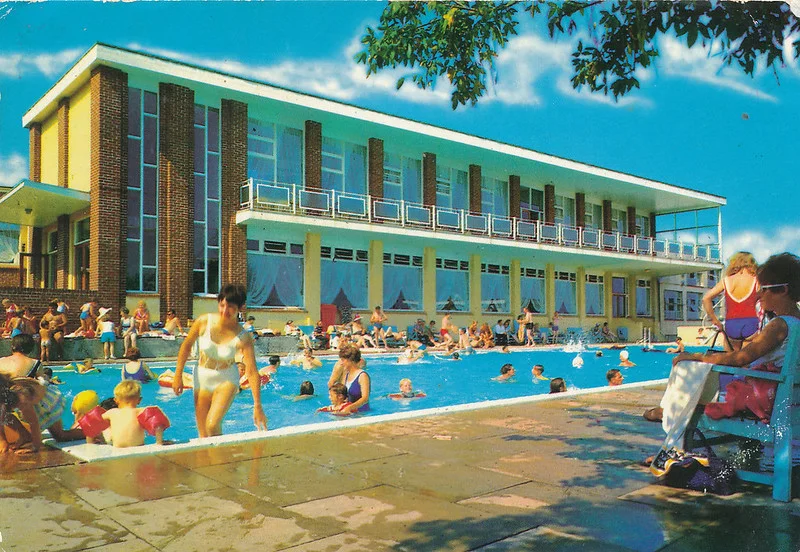
The facilities continued to expand as the camp grew in popularity. In 1938, a substantial new outdoor swimming pool was opened, measuring 100 feet by 36 feet and claimed at the time to be the largest privately owned swimming pool in the South West. Floodlit for evening bathing, it quickly became one of South Devon’s most distinctive attractions and a centrepiece of camp life.
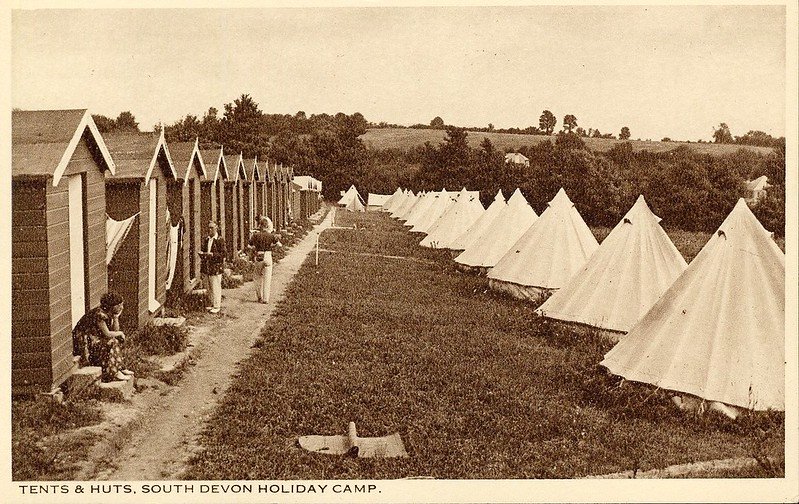
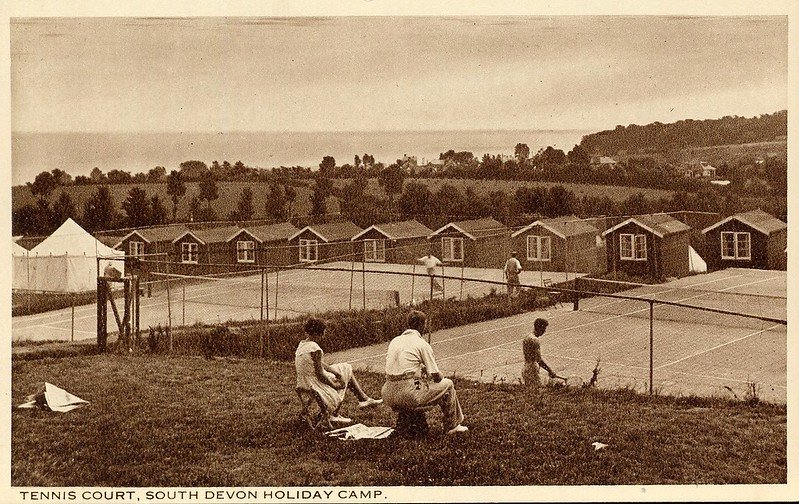
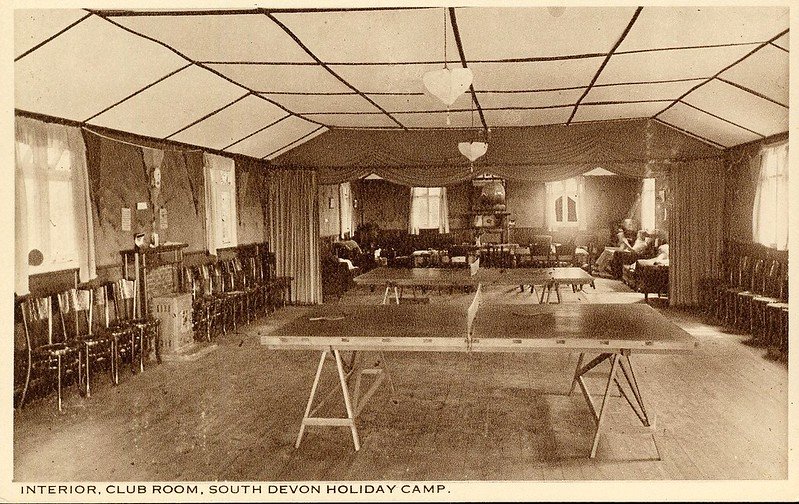
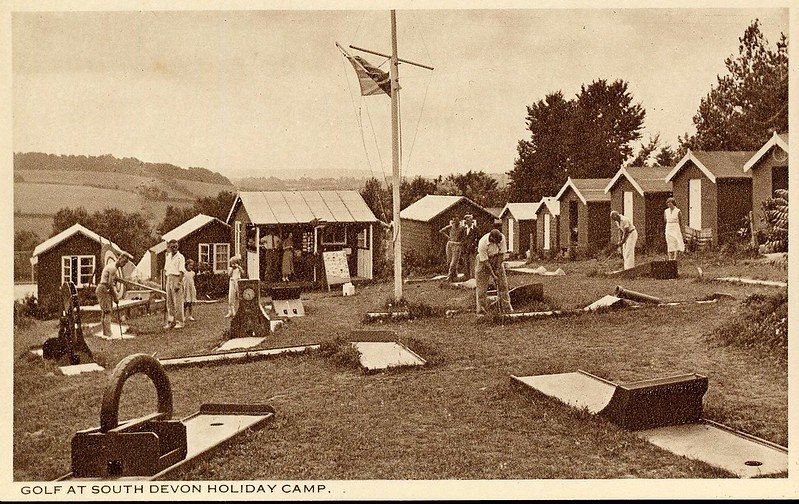
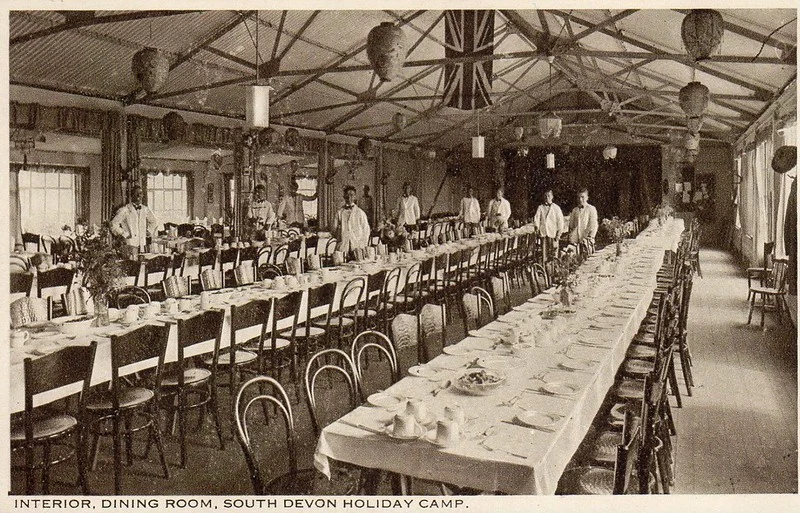
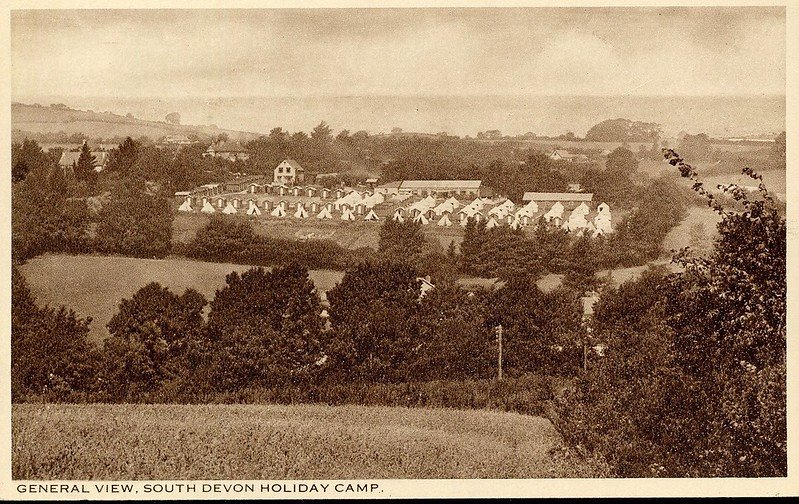
A major change came in March 1947, when the camp was purchased by Pontins for £59,000. It proved an excellent investment: during its first season under Pontins ownership alone, South Devon returned a healthy profit of around £11,000. For the next decade the camp was managed by Fred Pontin’s sister, Elsie Brown, who oversaw much of its early post-war growth and development. In 1957, she transferred to Barton Hall, with management of South Devon passing to Fred’s brother, Len Pontin.
As the camp prospered, Pontins continued to improve its facilities. One of the biggest additions came in 1959 with the opening of a new two-storey entertainment complex containing a large ballroom, several bars, a lounge and administrative offices. It quickly became the social heart of the camp.
Disaster struck in February 1963, when the entire building was destroyed by what was described at the time as the largest fire South Devon had witnessed for many years. As well as destroying the entertainment complex, the blaze wiped out most of the camp’s booking records for the approaching summer season.
With the opening of the camp only months away, Pontins embarked on a remarkably rapid rebuilding programme. In just eleven weeks, a replacement was constructed to exactly the same design as the building that had been lost, at a cost of £75,000. It reopened that May with a lavish reception and cocktail party attended by Fred Pontin, who even brought his mother along for the occasion. Returning holidaymakers were astonished by the speed of the reconstruction, with many remarking that it was difficult to believe there had ever been a fire at all.
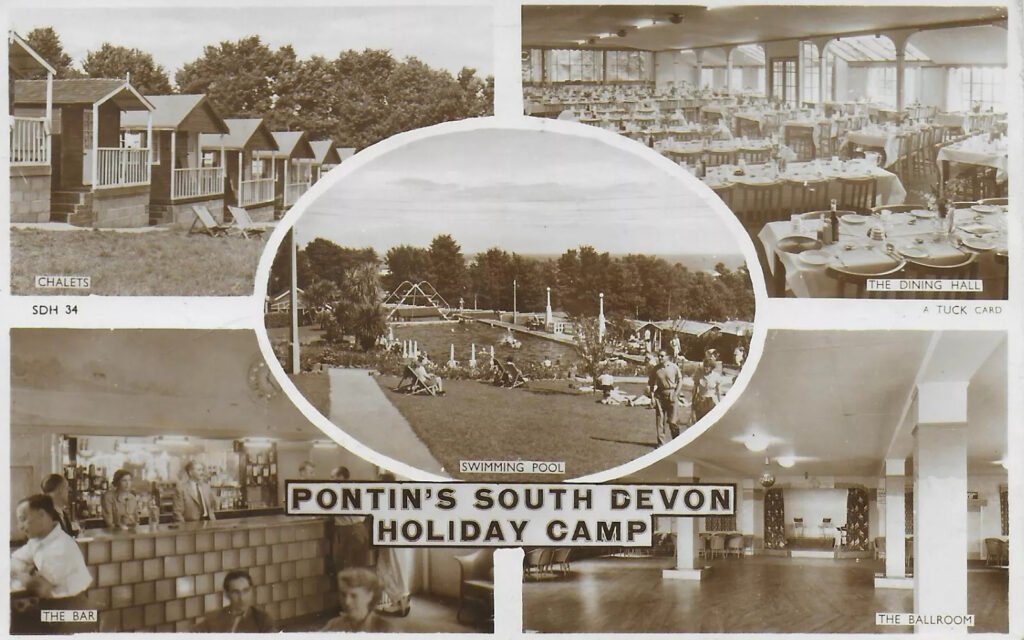
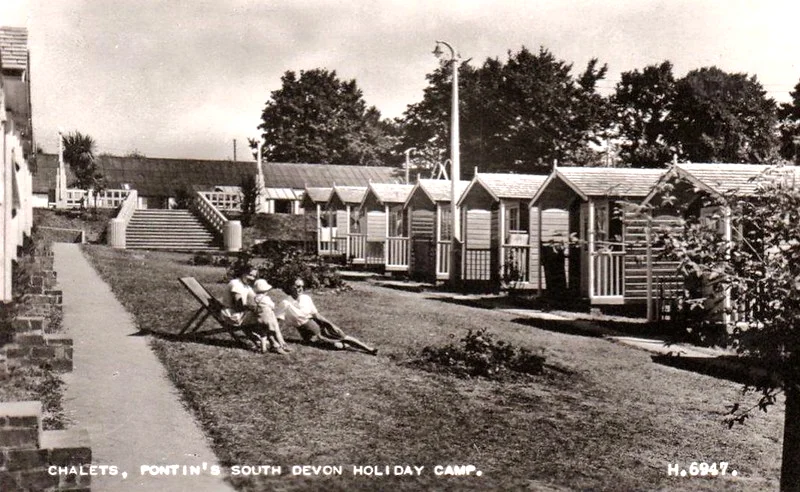
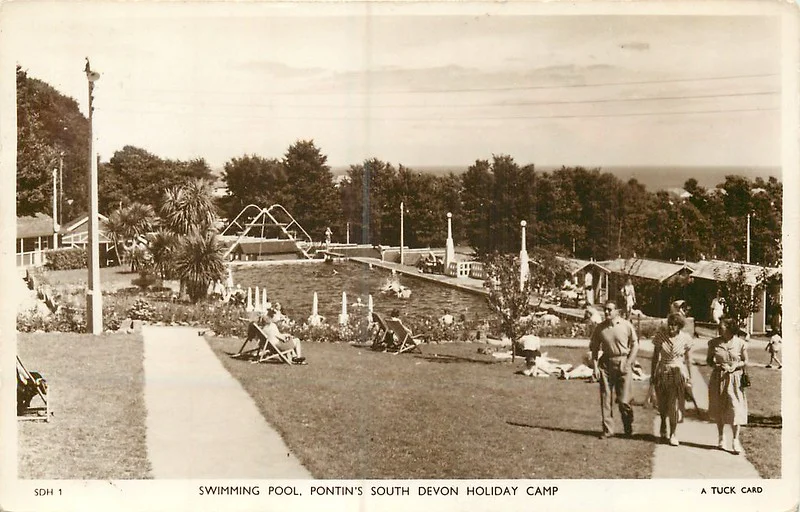
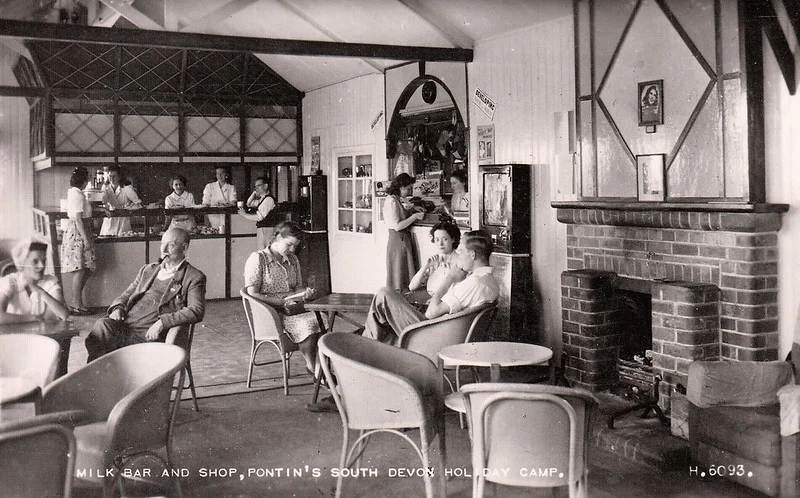
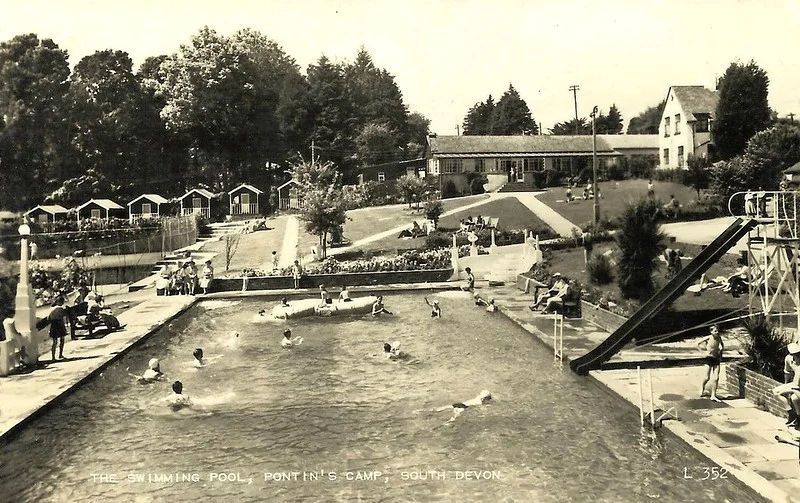
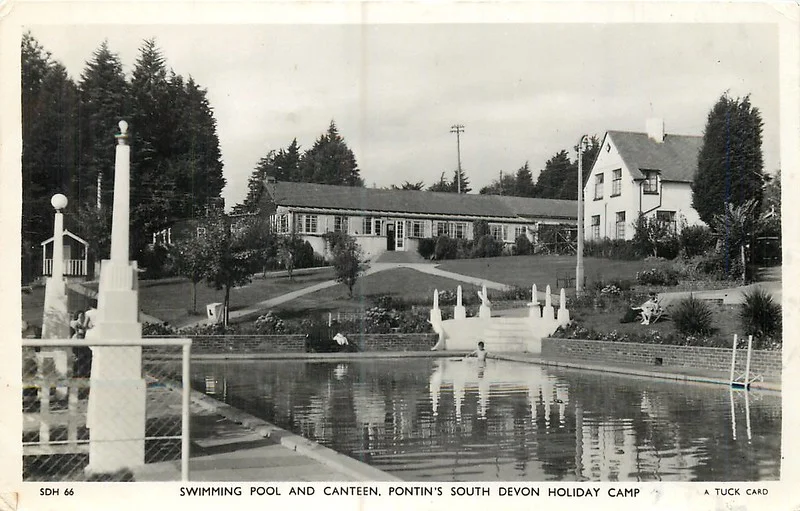
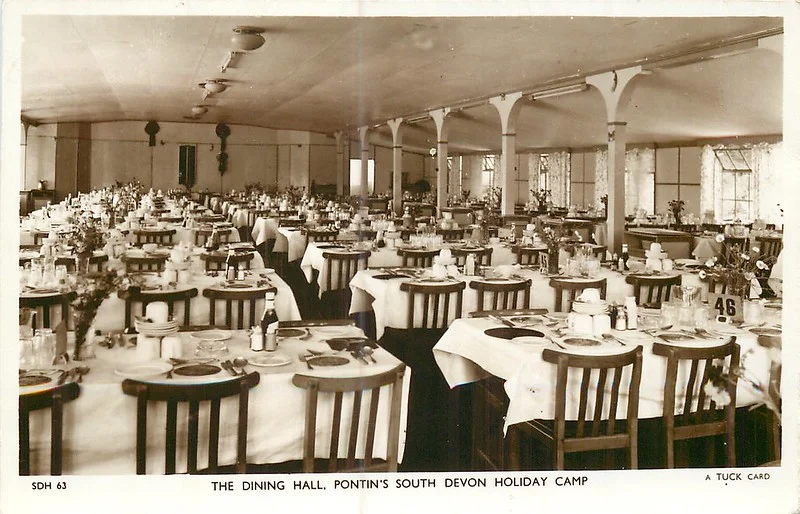
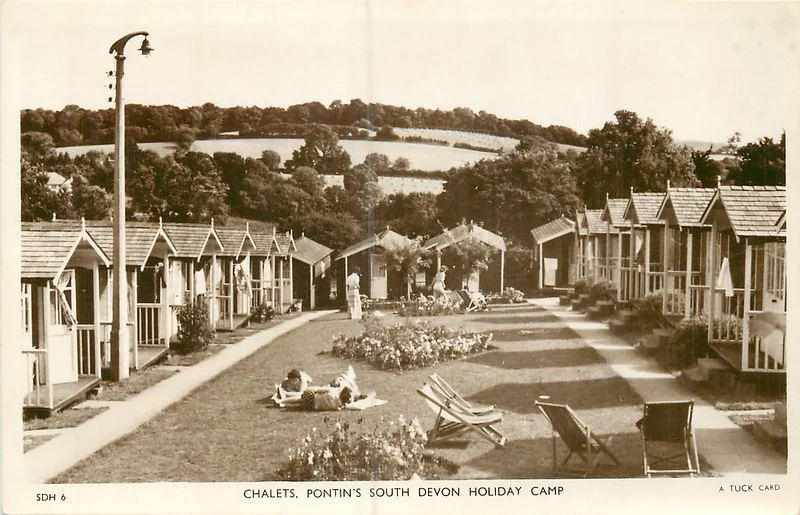
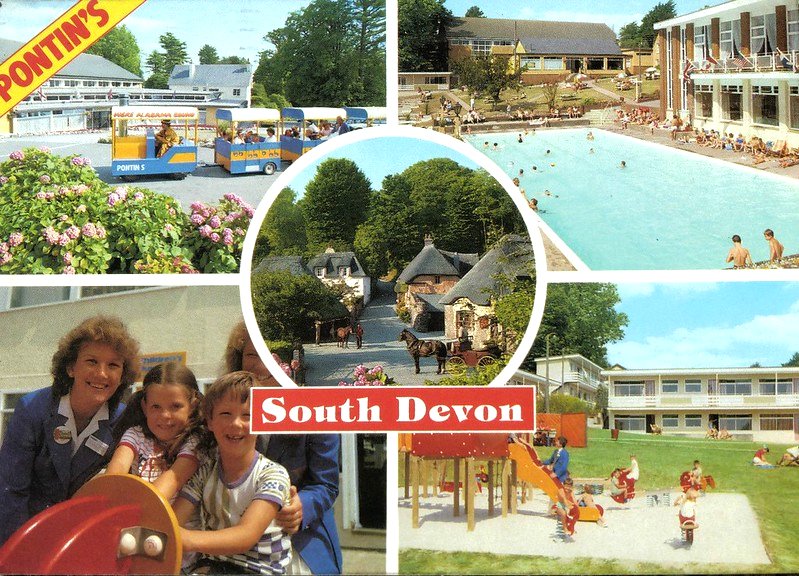
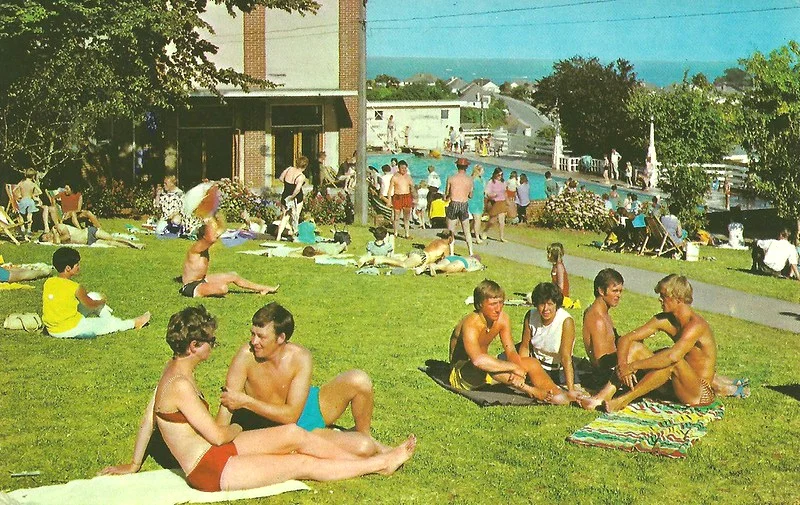
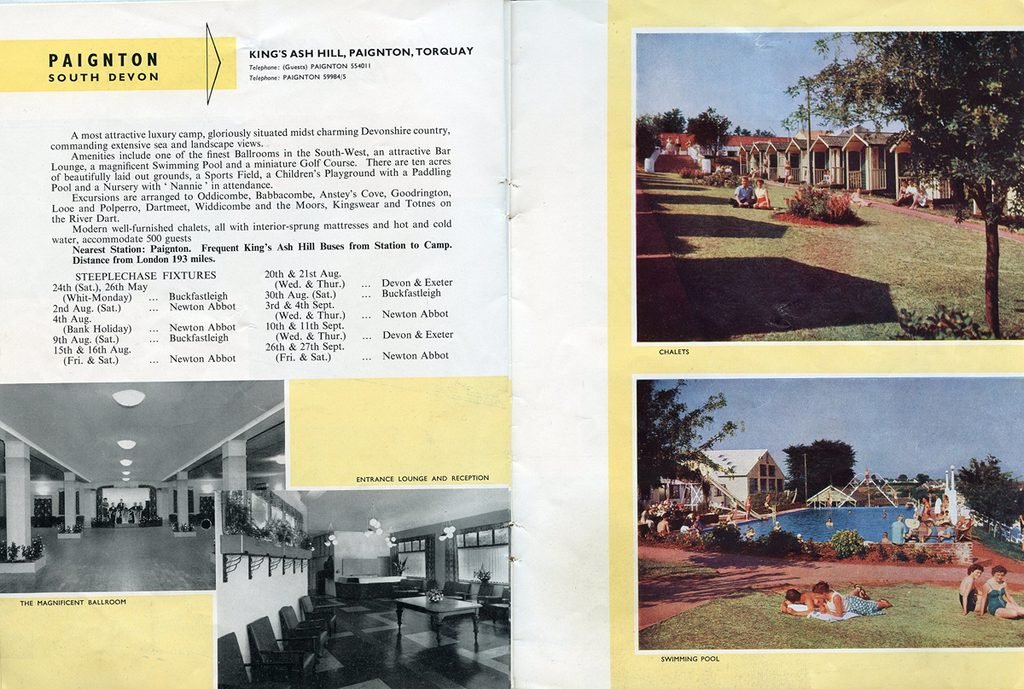
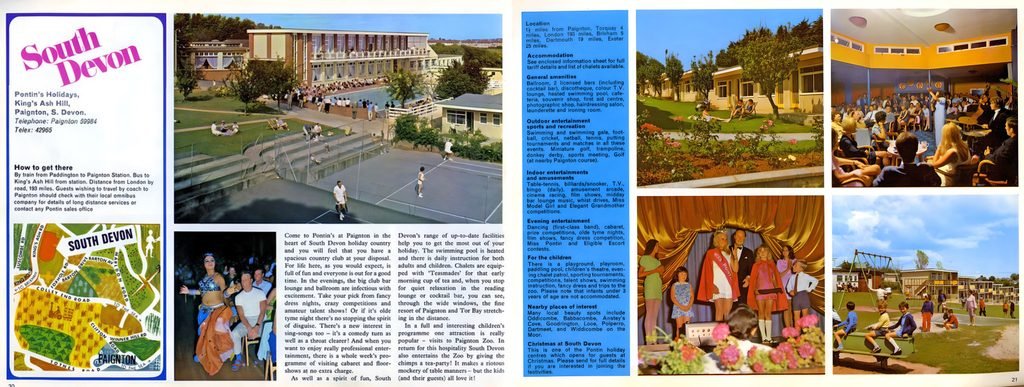
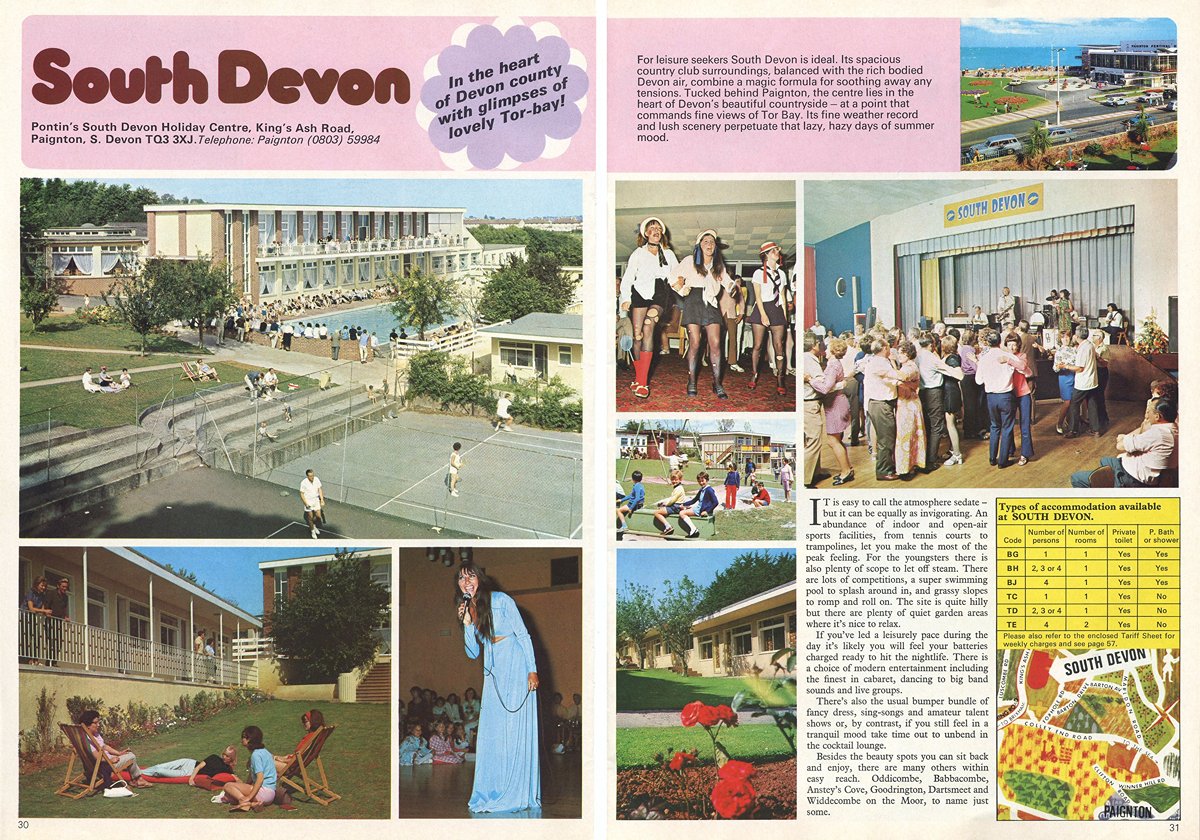
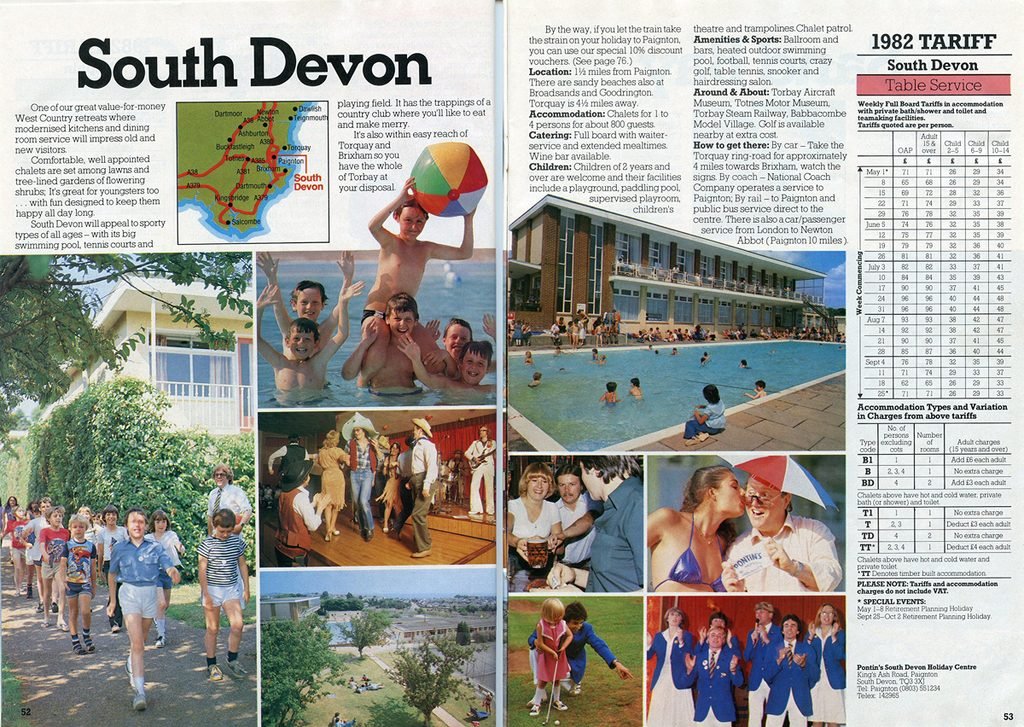
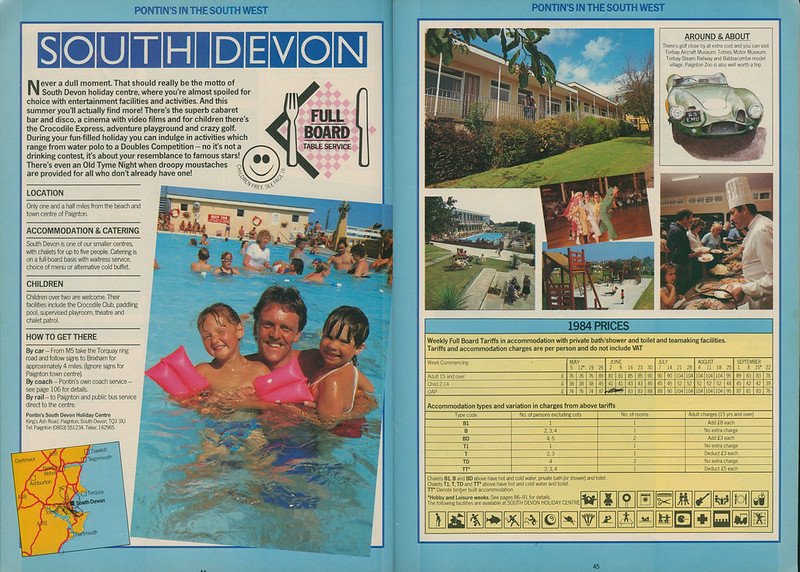
The camp could accommodate around 800 holidaymakers and continued to operate on a traditional full-board basis, with the cost of meals included in the holiday price and everyone eating together in the large communal dining room. During the 1960s, many of the older chalets were demolished and replaced with more modern accommodation, all equipped with private bathrooms. However, a number of the original wooden chalets survived and were offered at cheaper rates. These were considerably more basic, with most having little more than a washbasin and toilet.
Many of the newer chalets were also fitted with radiators, allowing South Devon to extend its season beyond the traditional summer months. It became one of only a handful of Pontins camps to open over Christmas, a tradition that began in 1965 and helped establish the camp as a year-round destination.
Tragedy struck in 1974 when a Pontins minibus carrying nine members of staff crashed close to the camp’s main entrance. Three of the occupants were killed. The tragedy was compounded when the father of one of those who died collapsed and died after being told of his child’s death.
Pontins continued to invest in South Devon. In 1982, around £200,000 was spent installing new kitchen facilities and refurbishing the communal dining room.
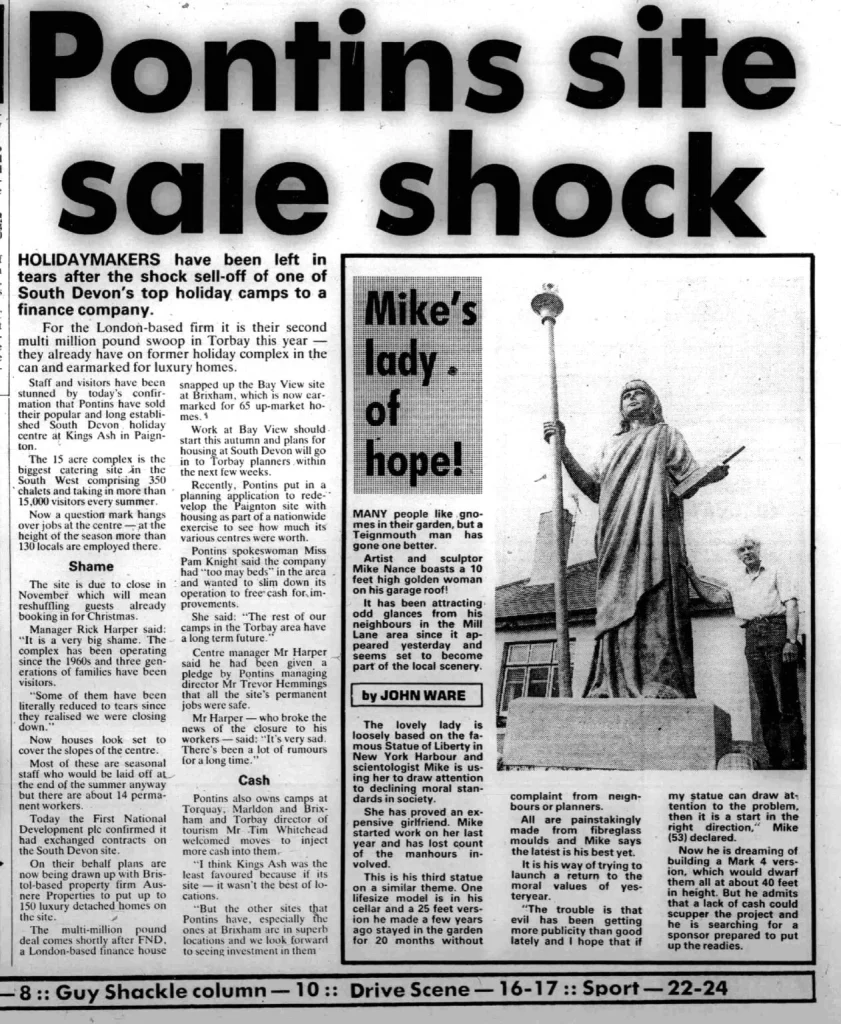
It therefore came as something of a shock when Pontins announced that South Devon would close permanently at the end of the 1988 season. Earlier that year, the 15-acre site had been acquired by the Harrow-based First National Development Company, which had also purchased Pontins’ Bay View and Broadreeds camps in January.
There was one final, rather unusual farewell. On the day before Pontins handed over the keys, it announced that more than 1,000 rose bushes from the camp’s gardens would be given away free on a first-come, first-served basis, allowing former guests and local residents to take home a small piece of South Devon.
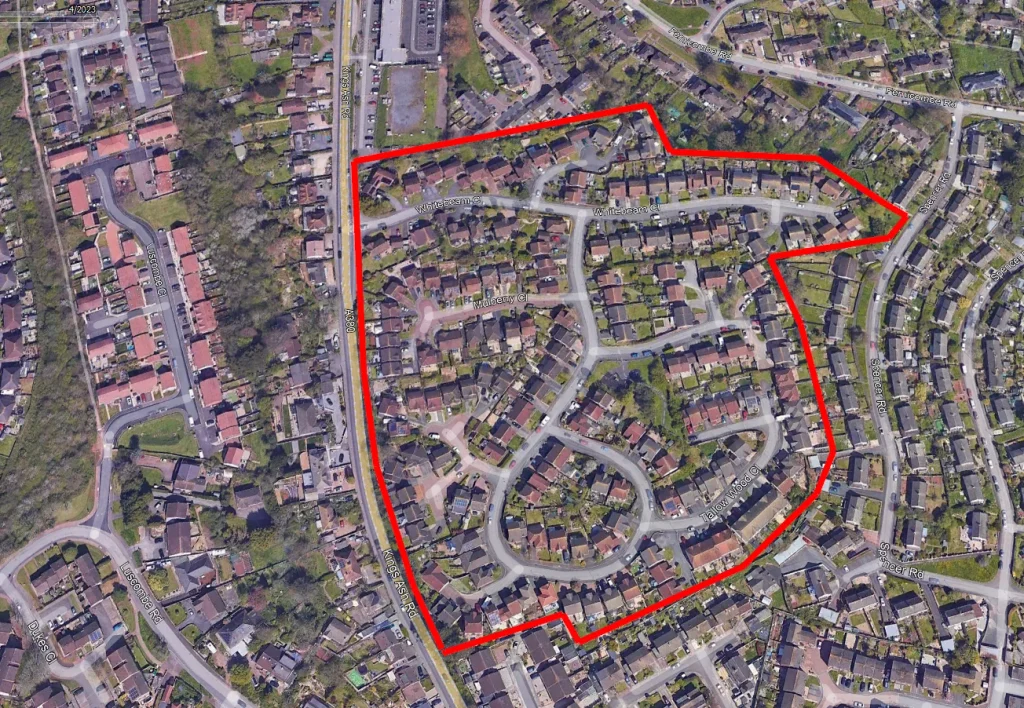
Demolition began in December 1988, bringing more than sixty years of holidaymaking on the site to an end. The camp quickly disappeared beneath a new residential development of around 150 houses, leaving little obvious evidence that one of South Devon’s best-known holiday camps had ever stood there. Roads now occupying the site include Whitebeam Close and Mulberry Close.